Crafting Comfort, Defining Freedom

Latest Updates
Fashion Socks Industry knowledge
For most of the twentieth century, socks occupied a purely utilitarian position in the wardrobe — chosen to disappear rather than to be seen. That convention has reversed decisively. Visible socks are now a deliberate styling choice across menswear and womenswear, functioning as the finishing detail that signals personal taste and outfit intentionality in a way that larger garments often cannot.
The shift accelerated through several converging trends: the normalization of cropped trousers and rolled hems in menswear, the rise of sneaker culture that elevated shoe-and-sock coordination to a creative discipline, and a broader movement toward expressive dressing that rejects the idea that small details don't matter. In contemporary styling, the visible sock gap — the strip of leg and sock between trouser hem and shoe — is actively managed rather than avoided.
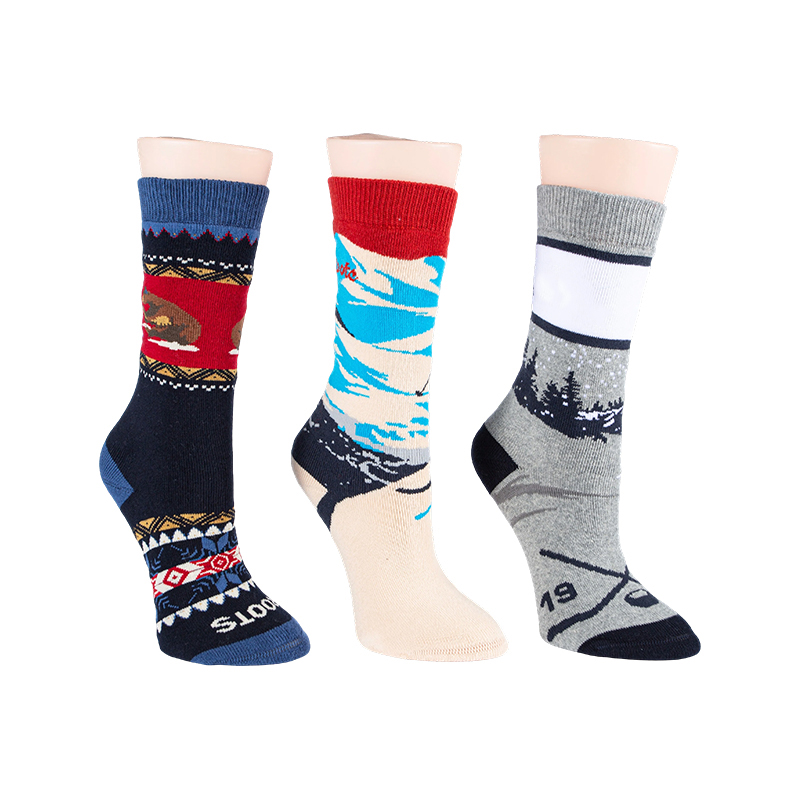
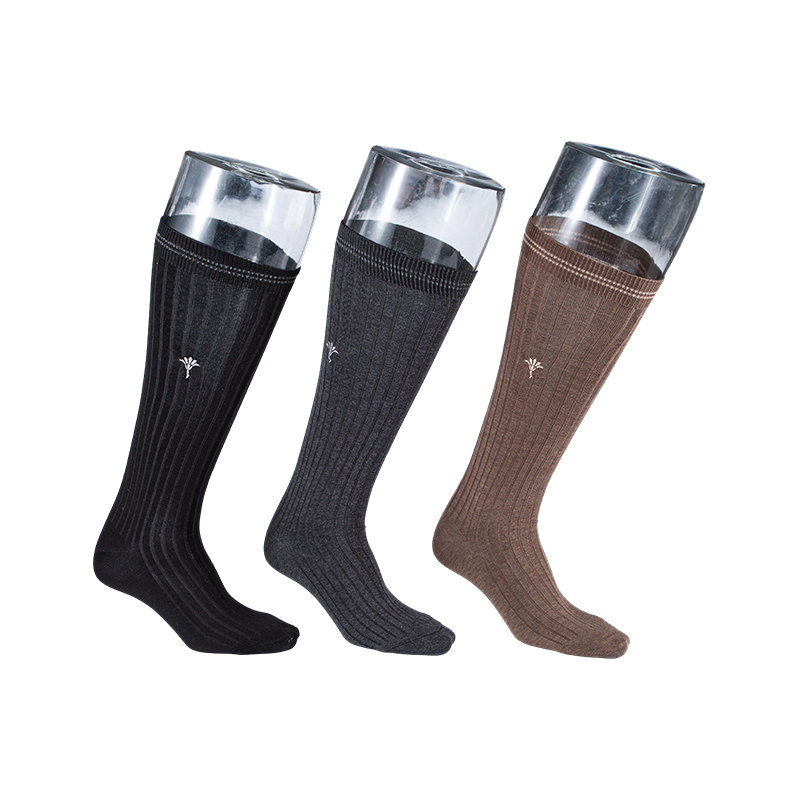
Men's Fashion Socks in particular have led this transition: bold stripes, geometric patterns, novelty motifs, and unexpected color combinations have become signature elements of a well-considered menswear look, offering a rare opportunity for self-expression within dress codes that otherwise restrict variation. The result is a category where design investment is not superficial — it is the point.
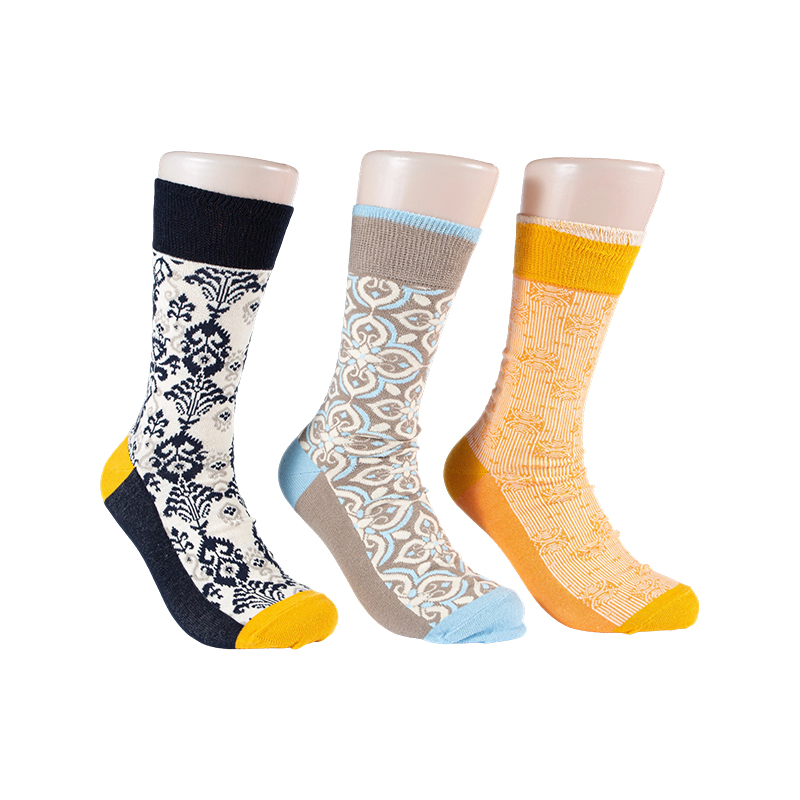
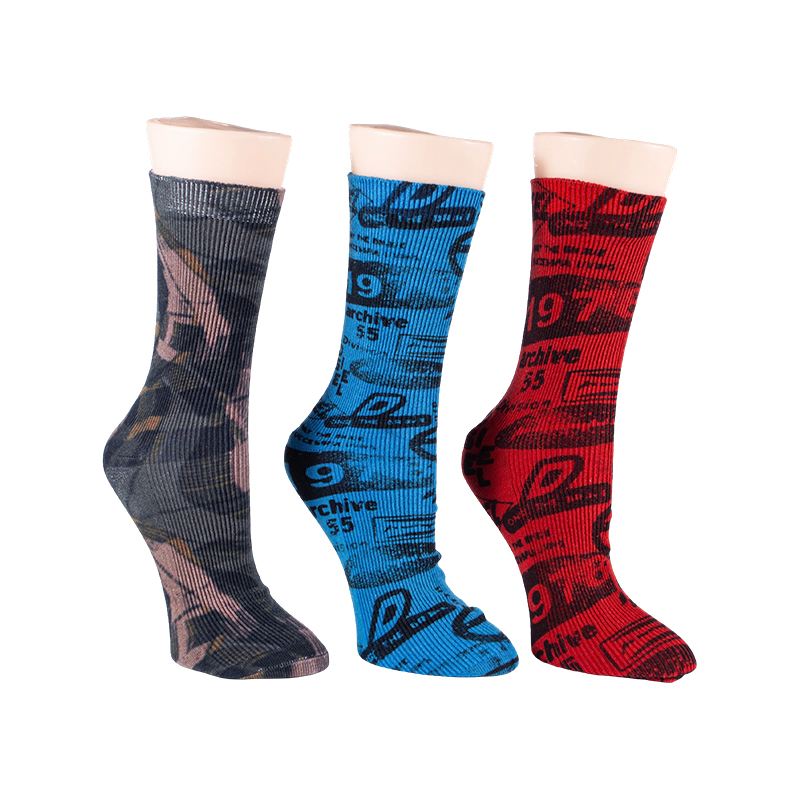
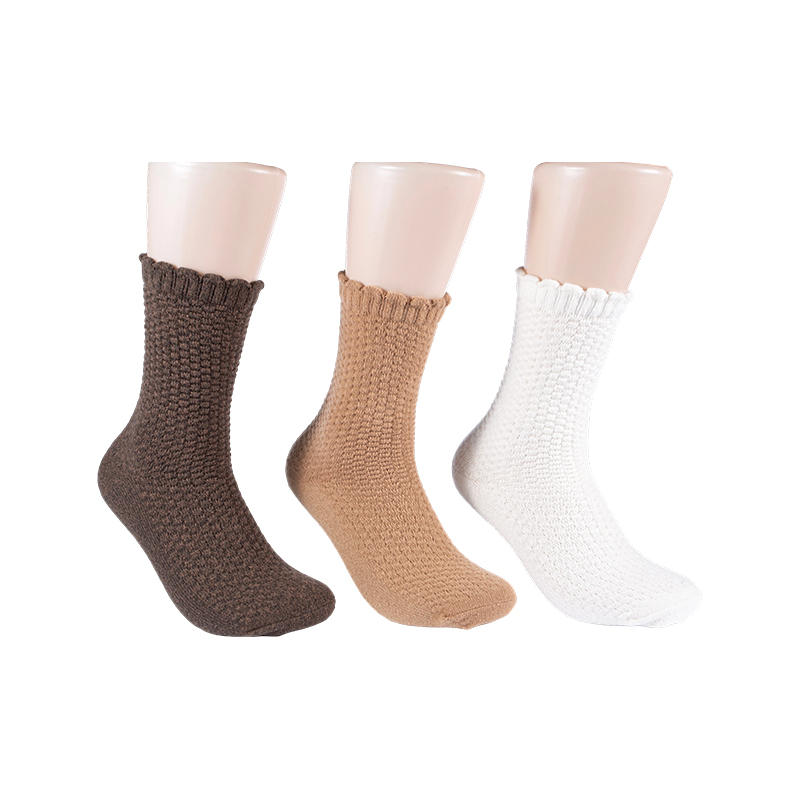
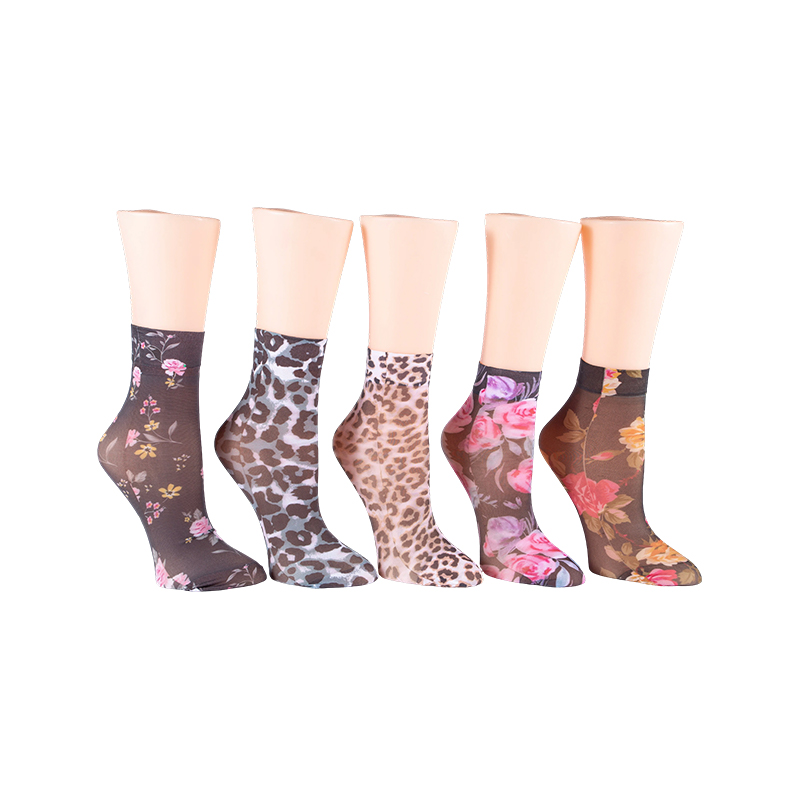
Fashion sock patterns carry semiotic weight — they signal different things about the wearer's aesthetic register, formality level, and cultural references. Understanding how patterns function stylistically allows for more deliberate outfit building rather than random selection.
At Bonroy, trend awareness in pattern development is treated as seriously as material selection — because a sock that is technically well-made but aesthetically dated fails to deliver on the promise that clothing should resonate with how people actually want to present themselves.
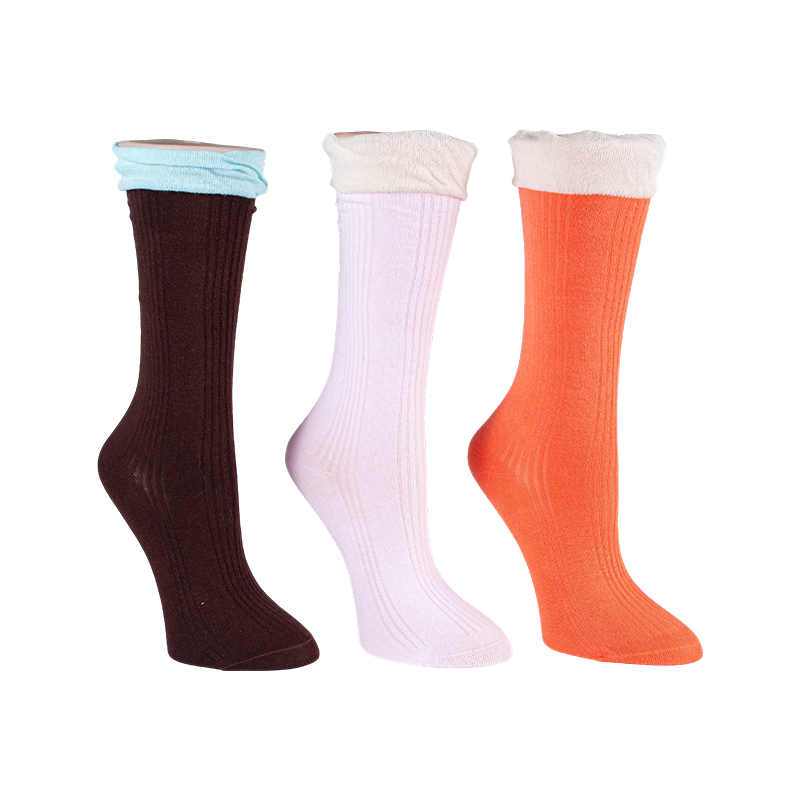
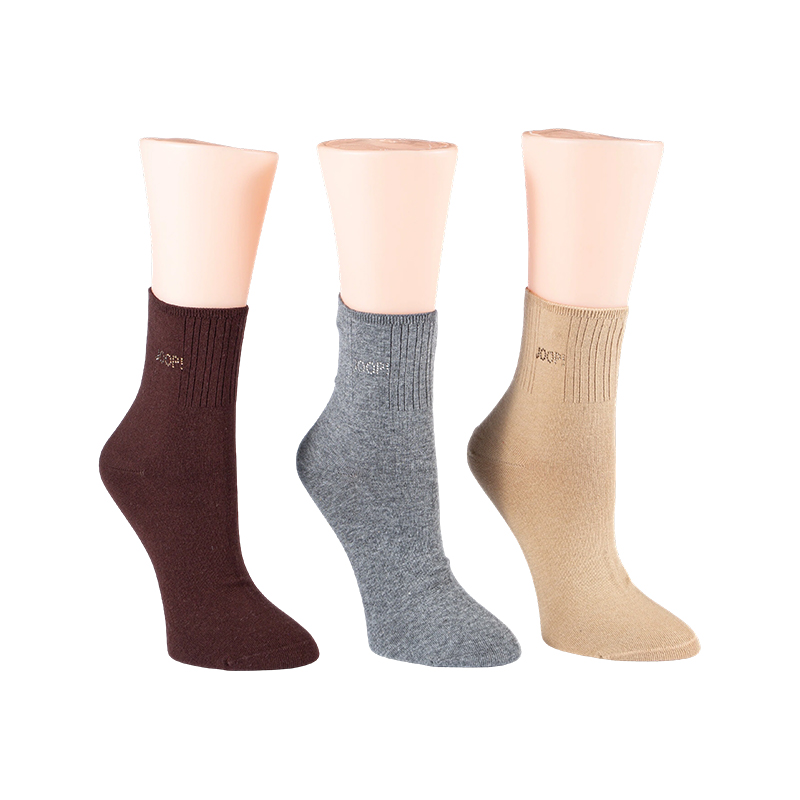
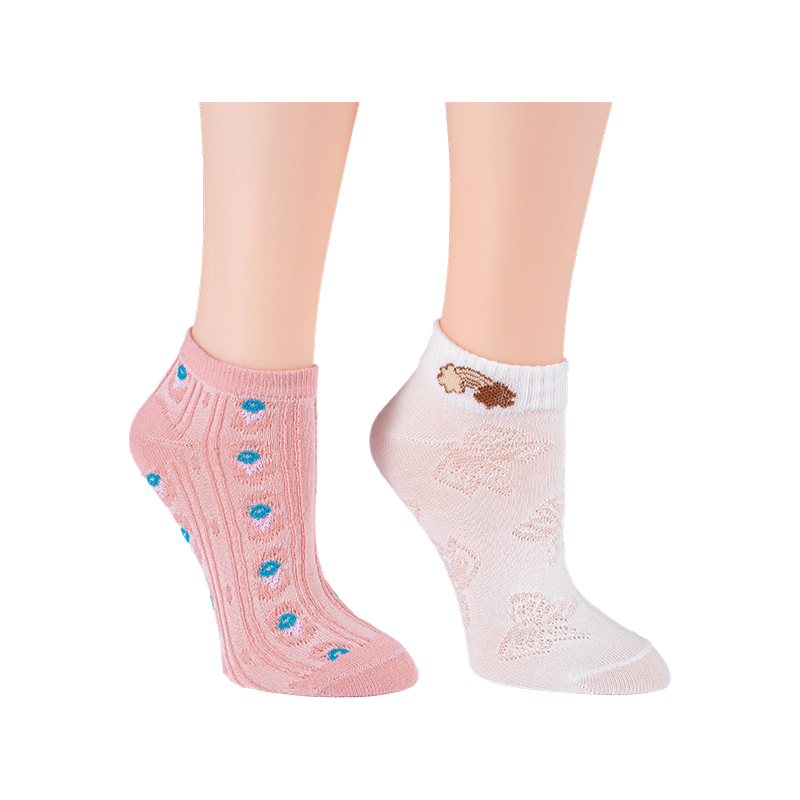
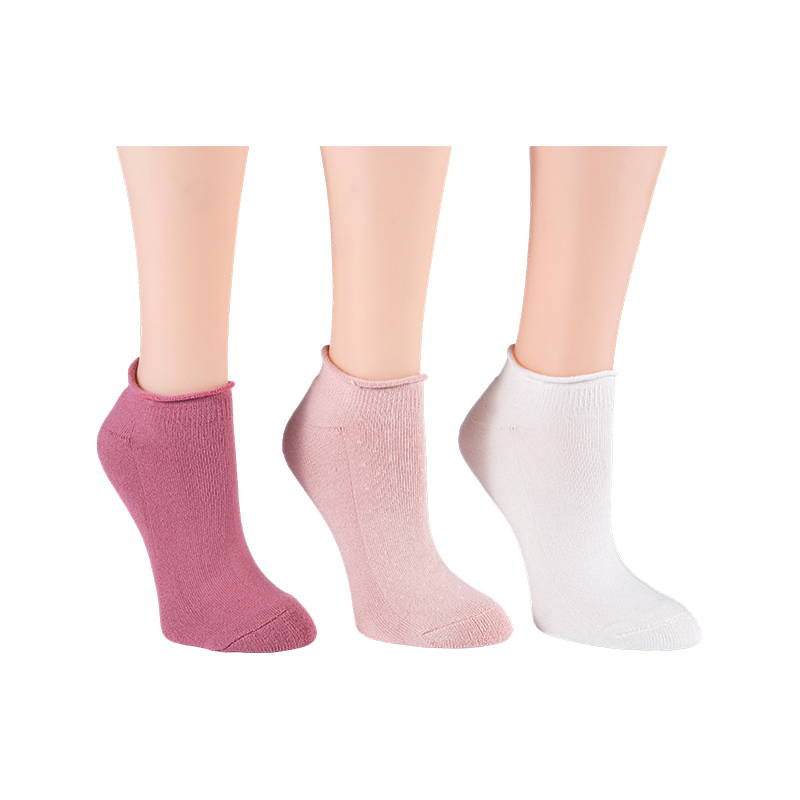
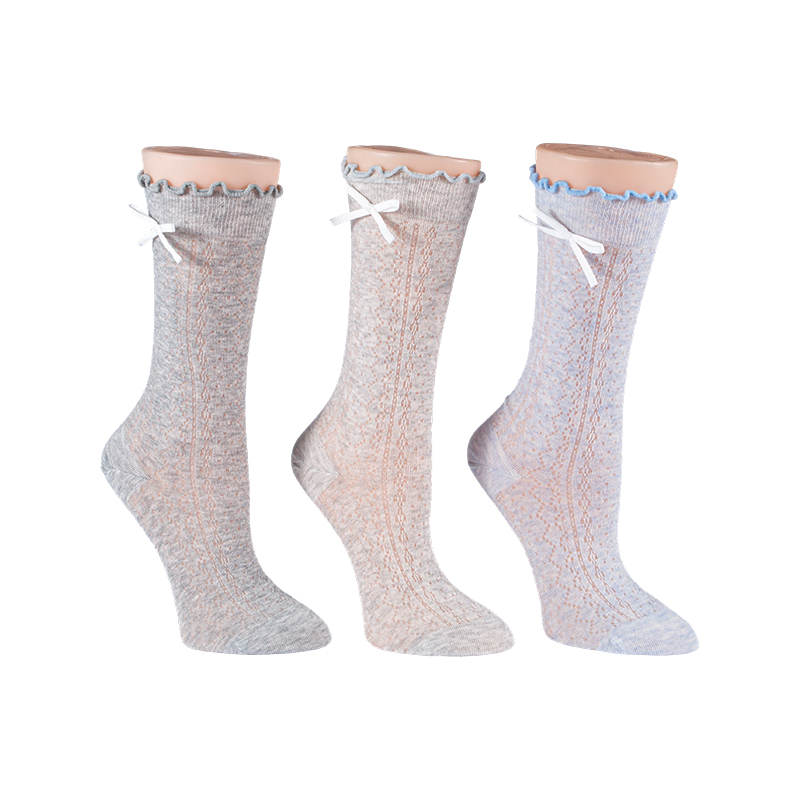
In womenswear, fashion socks operate across a far wider range of lengths, silhouettes, and styling contexts than in menswear — from invisible liner socks worn with loafers and mules, to ankle socks folded over boots, to over-the-knee knit socks layered beneath skirts in colder months. This versatility makes sock length one of the most active styling levers in a contemporary women's wardrobe.
Key length categories and their current styling contexts include:
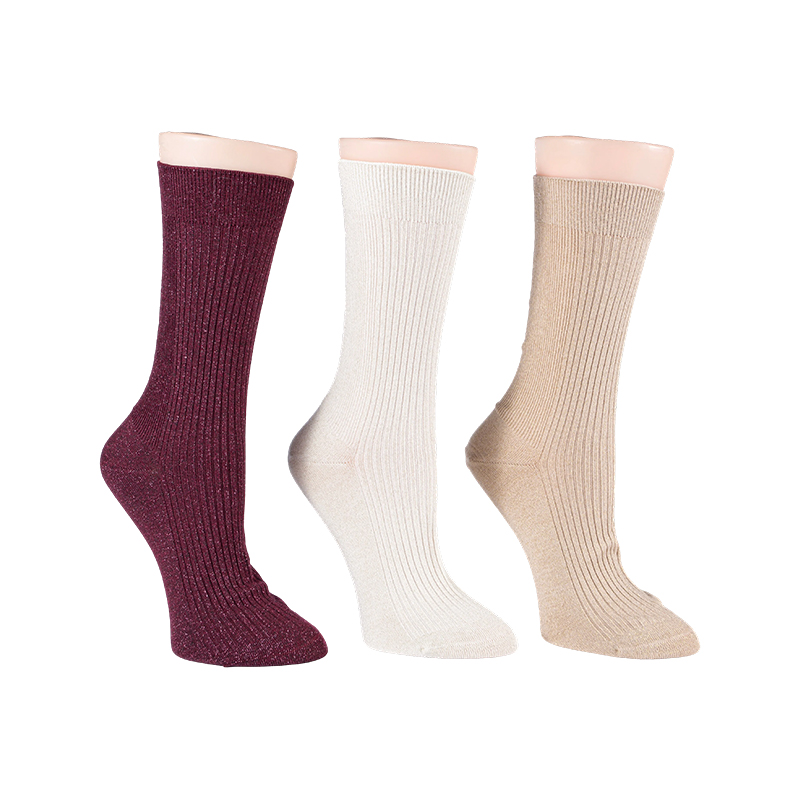
Women's Fashion Socks increasingly intersect with the broader conversation around expressive dressing — the idea that every visible element of an outfit contributes to a coherent personal aesthetic. Socks, precisely because they were so long dismissed as negligible, now carry an outsized signal value when chosen with intention.
| Sock Length | Best Paired With | Seasonal Fit |
|---|---|---|
| No-show / liner | Loafers, mules, ballet flats | Spring / Summer |
| Ankle / low-crew | Sneakers, platform shoes, Mary Janes | Year-round |
| Crew | Chunky trainers, ankle boots | Autumn / Winter |
| Knee-high / OTK | Mini skirts, wide-leg trousers, tall boots | Autumn / Winter |
Fashion socks are subject to the same wear conditions as any hosiery — friction, moisture, temperature variation, and repeated laundering — but carry the additional requirement of maintaining their visual appearance over time. Pilling, color fading, and loss of pattern definition are the primary failure modes that distinguish well-made fashion socks from disposable ones.
Material selection is the principal determinant of long-term appearance retention:
These material and process decisions reflect a straightforward principle: a fashion sock earns its place in the wardrobe not just on the first wear, but on the fiftieth. Bonroy's commitment to quality materials across every product line is rooted in the belief that clothing designed to be seen deserves to be built to last — so that the pleasure of wearing it is never diminished by premature deterioration.




 English
 中文简体
中文简体 Español