Aug 17, 2026
Content
When the temperature pushes past 24°C, the difference between a breathable running sock and a regular one becomes obvious within the first few kilometres. Feet heat up, fabric clings to the skin, and the first signs of chafing appear around the toes and heel. Breathable running socks are designed to prevent this before it starts, and the solution is mostly a matter of material and knit structure rather than decorative mesh panels. If the fibre traps moisture, no amount of ventilation styling will save the sock.
Breathability in a running sock comes down to three factors: the fibres used, the density of the knit, and where ventilation is placed. Each one plays a different role, and a genuinely breathable sock manages all three at once.
Merino wool is the benchmark for temperature regulation. It absorbs moisture vapour from the skin, releases it into the air, and continues to insulate even when damp. It also manages odour better than most synthetics, which becomes noticeable on runs longer than an hour. Synthetic fibres such as polyester and nylon wick moisture by transporting it along the surface of the fibre, where it evaporates faster. Cotton does the opposite: it holds water inside the fibre, loses its structure when wet, and sits heavy against the skin. That is why cotton socks feel cold and clammy after an hour of running. A breathable running sock typically uses merino wool, a high-performance synthetic blend, or a combination of both.
The tightness of the knit controls how much air moves through the fabric. A dense terry knit, used for cushioning, traps heat. A flat knit in the instep or arch area allows air to circulate. Most running socks combine both approaches in a single design: cushioned loops under the heel and ball of the foot, with a flat-knit mesh section across the top. This targeted construction keeps protection where impact is highest and releases heat where it builds up most.
More padding means less airflow, and that trade-off matters in practice. Ultra-cushioned socks are comfortable for long, slow runs but trap heat in summer. For warm conditions, a light-cushion sock is usually the better choice. The most reliable way to judge is to look at the thickness of the terry loops rather than the labelled weight of the sock. A sock that is thin across the arch but has moderate heel and toe cushioning is often the most balanced option.
Choosing a breathable running sock means choosing a fibre that matches the conditions you run in. The table below compares the fibres most commonly used in performance socks.
| Fibre | Airflow | Moisture Management | Durability | Typical Use |
|---|---|---|---|---|
| Merino wool | High | Absorbs vapour and regulates temperature even when damp | Good | Warm and cool conditions; technical running socks |
| Polyester blend | High | Wicks moisture along the fibre surface for fast evaporation | Very good | Most performance running socks |
| Nylon | Medium | Supports structure rather than wicking | Excellent | Reinforcement at heel and toe |
| Cotton | Low | Holds moisture inside the fibre | Poor | Casual wear; not recommended for running |
| Bamboo viscose | Medium-high | Soft and absorbent but slower to dry than synthetics | Medium | Everyday and light activity socks |
The pattern is consistent: the socks that perform best in heat combine a fast-drying fibre with a knit that leaves room for air. Cotton, at any price point, fails on both counts.
Beyond fabric, three decisions shape how a running sock performs: cuff height, cushioning level, and fit. Getting them right prevents blisters, hot spots, and the annoyance of a sock sliding down mid-run.
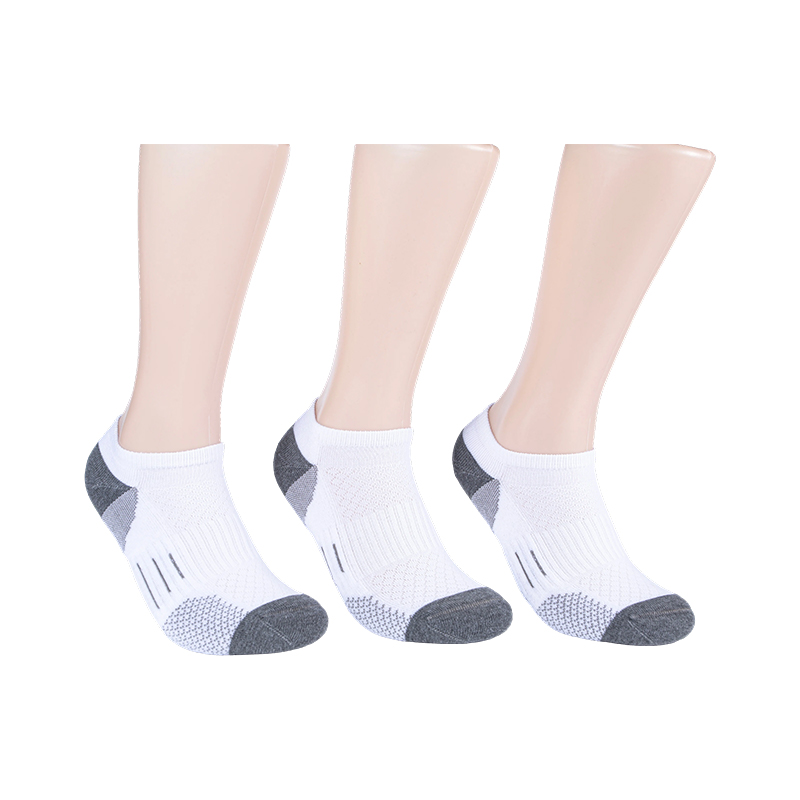
Low-cut and no-show socks expose the ankle and allow air to move freely around the lower leg. They suit warm-weather runners who want minimal fabric and a close-to-the-shoe feel. The trade-off is less protection against debris and less coverage at the Achilles. For road runners in summer, this is often the most comfortable option, and our breathable low-cut running socks are a practical starting point when evaluating this style.
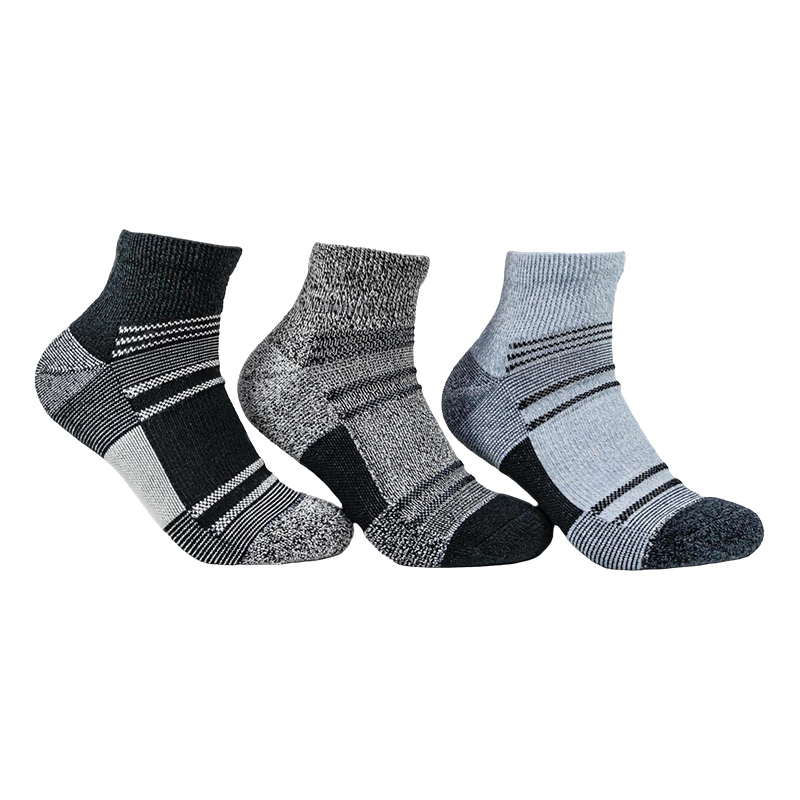 Custom ODM/OEM Men's Running Low Cut Socks Manufacturers, FactoryHaining City Bonroy Trading Co., Ltd. Is China Custom ODM/OEM Men's Running Low Cut Socks Manufacturers, Factory, These men's running ank...View Product →
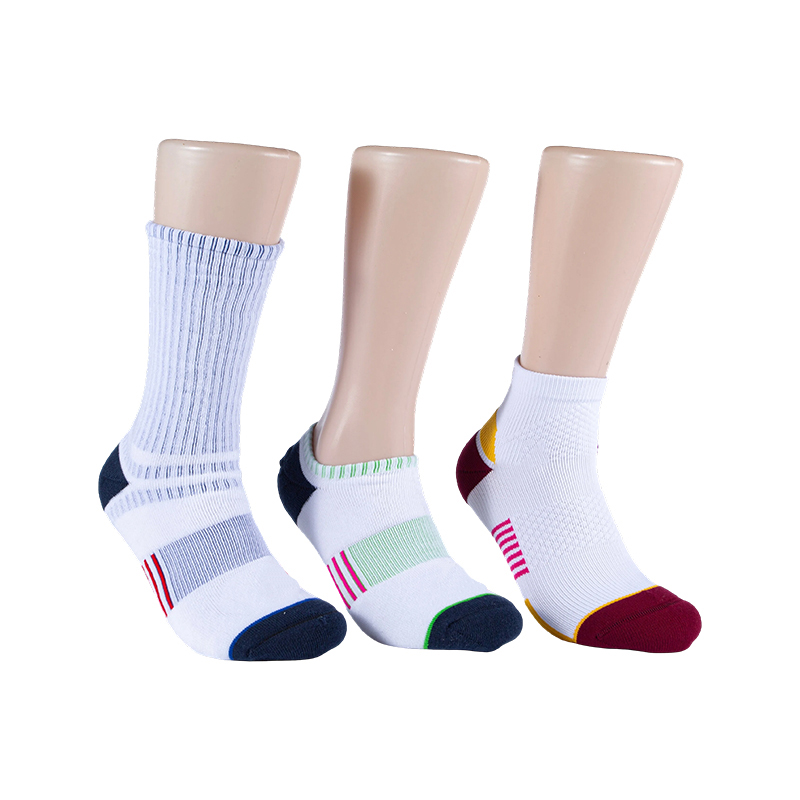
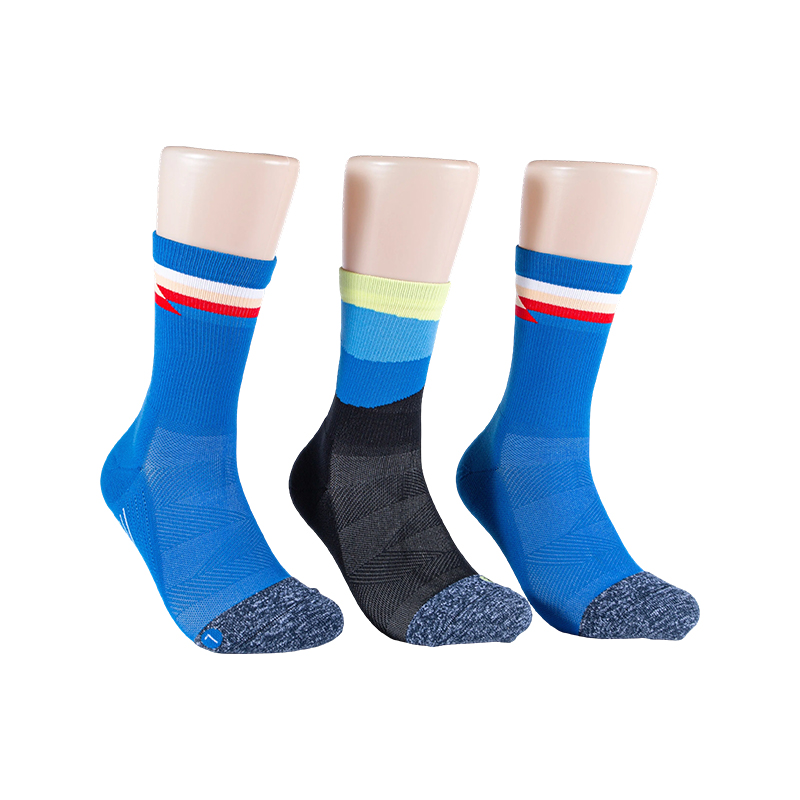
Ankle socks sit just above the shoe line and combine breathability with light protection. Quarter socks extend a few centimetres higher, which keeps grit out on trails and gives the arch band more room to hold the foot securely. Both work for most runners; the choice depends on terrain and personal preference. If you need a lightweight option without extra bulk, a pair of lightweight sports ankle socks offers a good balance. For a versatile mid-height style, unisex quarter sport socks cover road and light trail use in one design.
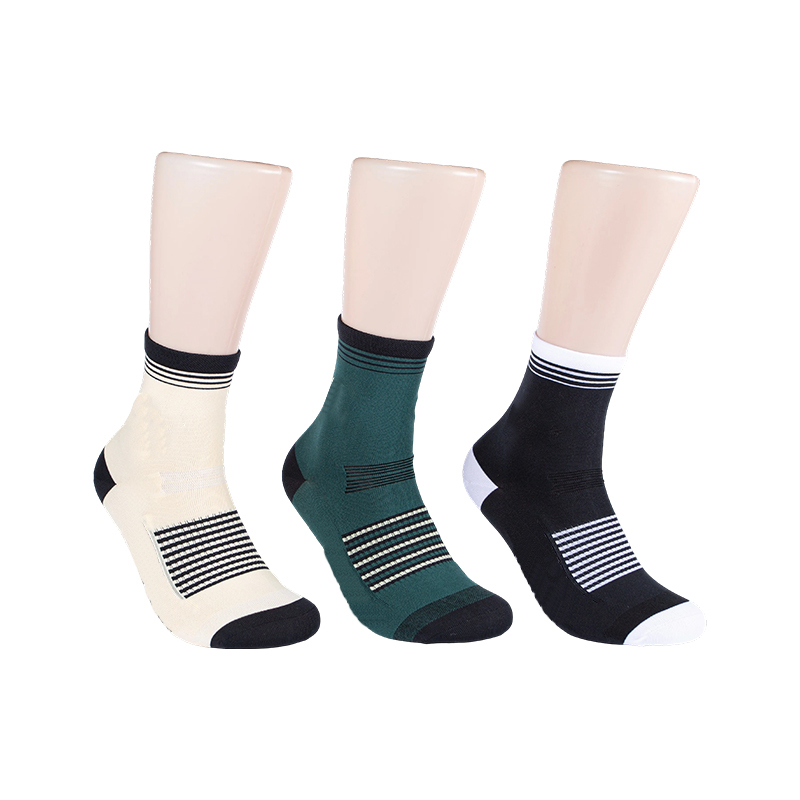 Custom ODM/OEM Unisex quarter sport socks Manufacturers, FactoryHaining City Bonroy Trading Co., Ltd. Is China Custom ODM/OEM Unisex quarter sport socks Manufacturers, Factory, These unisex quarter spo...View Product →
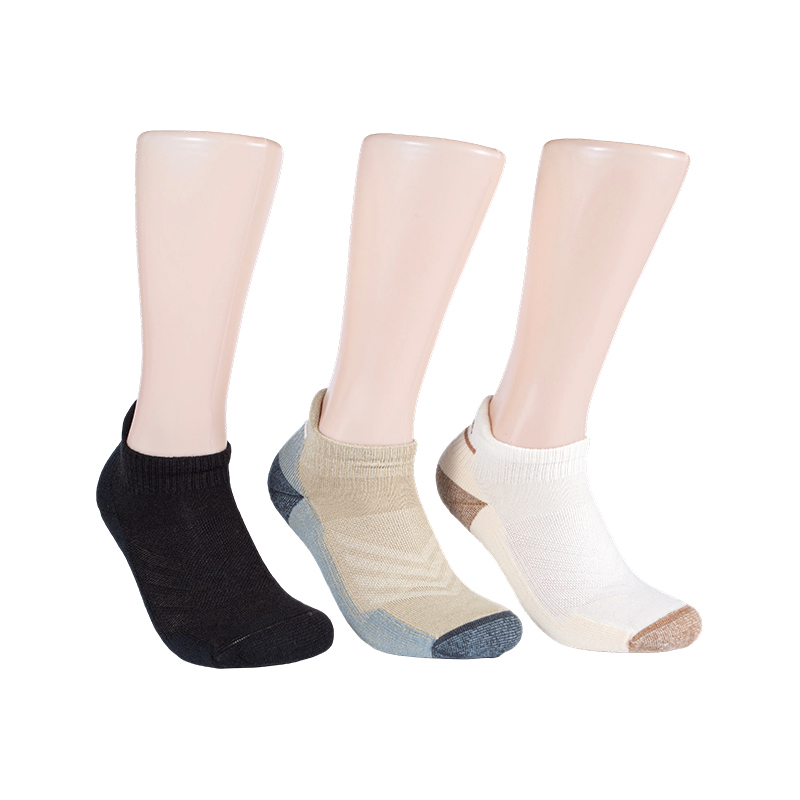 Custom ODM/OEM Men's Lightweight Sports Ankle Socks Manufacturers, FactoryHaining City Bonroy Trading Co., Ltd. Is China Custom ODM/OEM Men's Lightweight Sports Ankle Socks Manufacturers, Factory, This men's lig...View Product →
Even the most breathable fabric cannot compensate for a poor fit. A sock that is too small compresses the toes and restricts circulation; one that is too large wrinkles and creates friction points. Running socks should feel snug but not tight, with the heel pocket sitting firmly around the heel and no bunching across the top of the foot. Checking the stated size range against actual foot length is more reliable than relying on shoe size alone, because sock sizing varies between manufacturers.
One sock cannot cover every situation. Match the sock to the conditions you actually run in.
Breathability claims are only useful if the production process supports them. Whether you are a brand developing custom running socks, a distributor building a running range, or an online seller selecting stock, the same evaluation points apply.
Some of these points are covered in more depth in our sports team socks guide, which explores how materials, durability, and customisation come together in performance sock production.
Buyers who plan to launch their own labelled product can start from a proven base. The requirements for developing running socks through ODM and OEM channels, including fabric selection, packaging, and minimum order expectations, are outlined in our overview for running sock suppliers and ODM partnerships.
And when production quality is the deciding factor, our complete process analysis of how a quality sock is made helps buyers ask better questions before committing to an order.
Breathability is not a single feature; it is the result of fibre choice, knit construction, and honest product design. For runners, the payoff is cooler feet, fewer blisters, and more comfortable miles. For buyers, the same principles determine whether a product performs and sells. Start with the material, check the knit, match the cushioning to the conditions, and the rest follows.




 English
 中文简体
中文简体 Español