Jul 10, 2026
Content
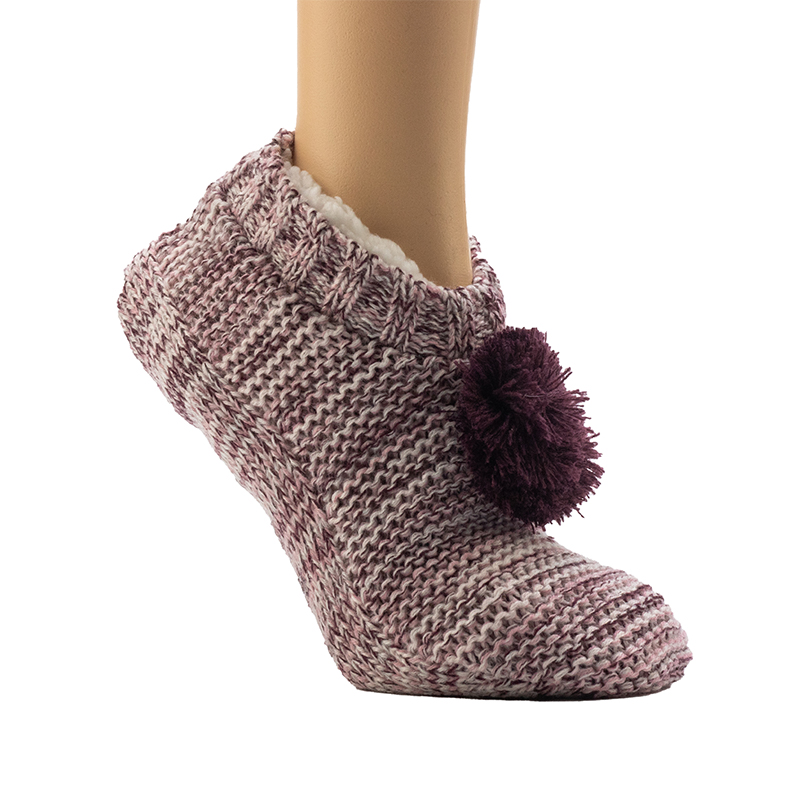
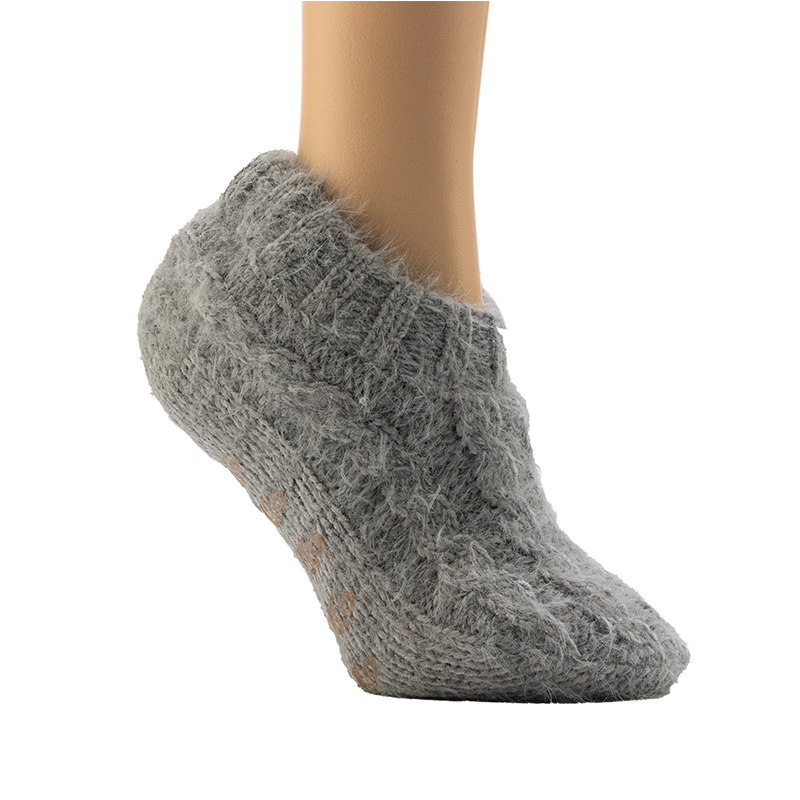
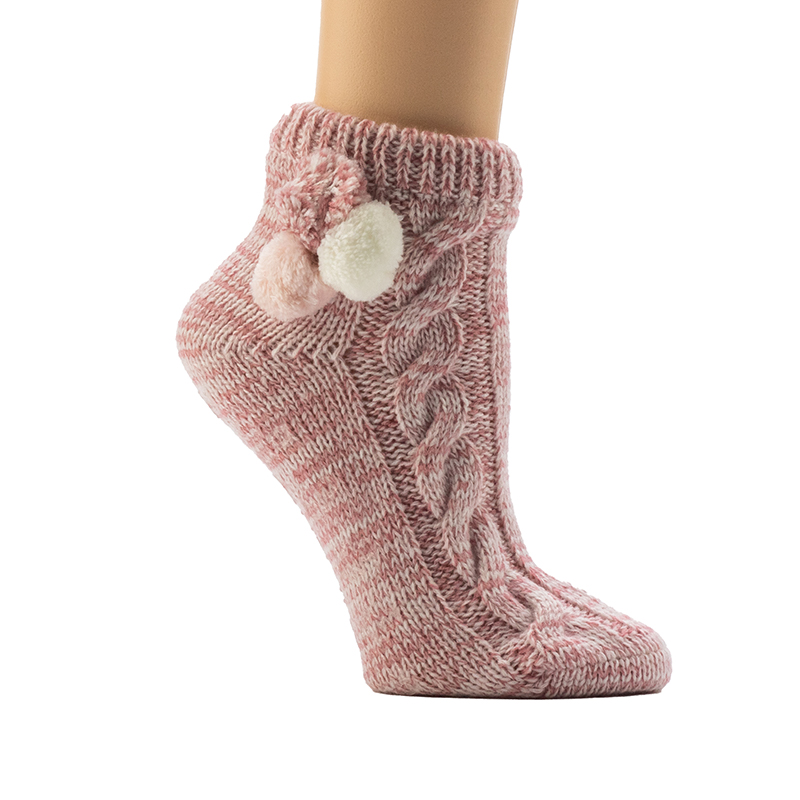
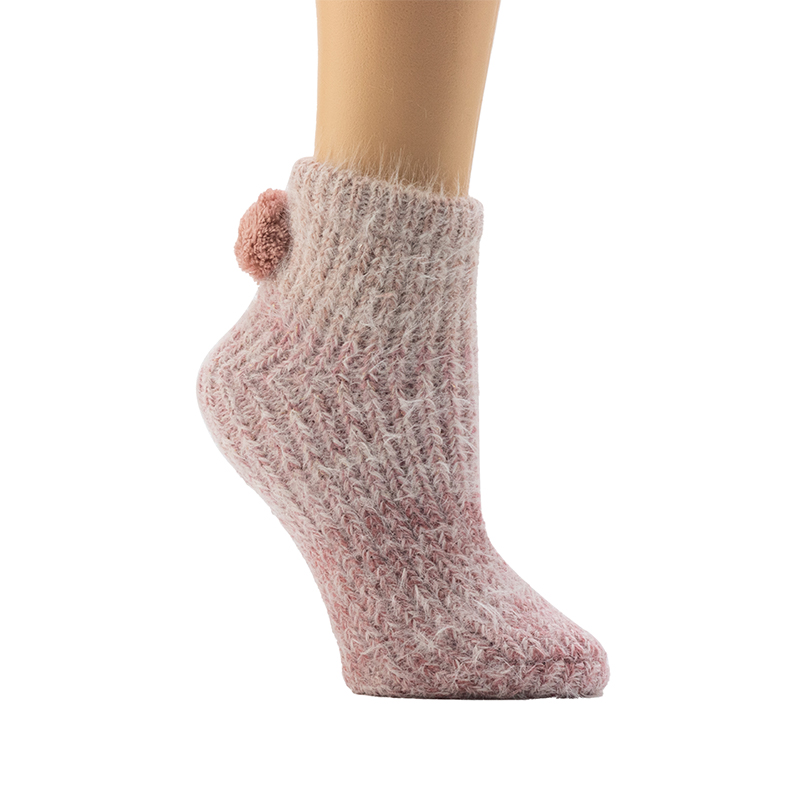
A Put-Together Outfit Hinges On A Great Sock. It is easy to treat socks as an afterthought, tucked away where no one will notice, but a well-chosen pair does more work than most people give it credit for. Women's Fashion Socks sit at the intersection of comfort and visual detail, finishing an outfit the same way a belt or a piece of jewelry does. Whether peeking above a loafer or layered under a boot, the right sock adds a small but noticeable point of interest to a look that might otherwise feel plain.
The line between a basic sock and a fashion sock comes down to a handful of design choices: pattern, color, cuff height, and finishing details such as ribbing or contrast trim. Basic socks are built primarily for coverage and comfort, usually in neutral colors and simple knit structures. Fashion socks, by contrast, are designed with visibility in mind, often incorporating patterns, textured knits, or unexpected colors intended to be seen rather than hidden inside a shoe.
This does not mean fashion socks sacrifice comfort. Most are still built on the same base construction as everyday socks, with the visual design layered on top through knit technique or dyeing method rather than through a fundamentally different manufacturing process.
Sock construction generally starts with yarn selection, which determines how the finished sock feels, stretches, and holds its shape over repeated wear. Cotton blends are common for everyday fashion socks because they balance softness with reasonable durability. Nylon and spandex are typically blended in to add stretch and help the sock retain its shape after washing, while wool or wool blends appear more often in seasonal or textured designs meant for cooler weather.
Knit structure also affects both appearance and function. A flat knit produces a smooth, even surface well suited to fine patterns, while a ribbed knit adds texture and a closer fit around the ankle. Cuff construction, whether a simple turned-over band or a more structured ribbed cuff, influences how well the sock stays in place throughout the day.
Reviewing specification details helps clarify how a given sock will perform once it is in regular rotation.
| Specification | Typical Range or Detail |
|---|---|
| Common fiber content | Cotton, cotton-polyester blend, wool blend, or cotton-spandex blend |
| Cuff height | No-show, ankle, crew, or knee-high |
| Knit gauge | Fine gauge for smooth patterns, coarse gauge for textured designs |
| Elastane content | Typically 3 percent to 8 percent for shape retention |
| Reinforced areas | Heel and toe reinforcement for extended wear points |
| Sizing range | Often grouped by shoe size range rather than sock size alone |
Elastane content plays a particular role in how well a sock resists sagging around the ankle after a full day of wear, while heel and toe reinforcement affects how quickly thin spots develop in high-friction areas.
Beyond sizing, several construction and design differences separate socks made for women from those made for men.
| Factor | Women's Socks | Men's Socks |
|---|---|---|
| Sizing basis | Typically fitted to a narrower foot width range | Typically fitted to a wider foot width range |
| Common cuff heights | Broader range including no-show, ankle, and knee-high | More concentrated around crew and ankle lengths |
| Pattern and color range | Wider range of prints, pastels, and seasonal colorways | Narrower range, often centered on solids and classic patterns |
| Fabric weight | Often lighter weight for a closer, more tailored fit | Often slightly heavier for a more relaxed fit |
These differences are general tendencies within the category rather than fixed rules, since unisex and crossover designs are increasingly common. Even so, understanding the typical distinctions helps when reviewing a product range or planning an assortment across sizes.
Fashion socks are worn across a range of settings, and the appropriate style often shifts with the occasion. No-show and low-cut styles are common with loafers and flats for a clean, minimal look, while crew and patterned socks are frequently paired with sneakers for a more casual, visible statement. Knee-high and over-the-calf styles appear often in layered looks with boots during cooler months, and lightweight textured socks are a common choice for transitional seasons where a light layer adds warmth without bulk.
Selecting the right sock affects more than appearance. Fit influences comfort throughout the day, since a sock that is too loose can bunch inside a shoe, while one that is too tight can leave marks around the ankle or restrict circulation during long periods of wear. Fabric choice affects breathability and moisture management, which matters for both comfort and the longevity of the shoe itself. Beyond function, sock choice also affects how finished an outfit looks, since a mismatched or overly casual sock can undercut an otherwise carefully assembled outfit.
For anyone reviewing a sock assortment, it is worth weighing these functional factors alongside color and pattern variety, since a range that looks appealing but fits poorly is less likely to be worn regularly.
A frequent oversight is focusing on pattern and color while paying less attention to elastane content and cuff construction, both of which determine whether a sock holds its shape through a full day of wear and repeated washing. Another common mistake is choosing cuff height without considering how it interacts with the shoe style it will be worn with, which can result in a sock that either disappears entirely or shows more than intended. Fabric weight is also sometimes overlooked, particularly when the same sock style is expected to perform well across very different seasons or climates.
Washing socks inside out helps protect any printed or dyed pattern on the outer surface from friction against other garments in the wash. Cooler water temperatures generally help preserve elastane content, since heat can gradually break down the fibers responsible for shape retention. Air drying or using a lower heat setting in a dryer also helps extend elasticity compared to consistently high heat drying. Sorting socks by color before washing reduces the risk of lighter pairs picking up dye from darker garments, which is a common reason lighter-colored fashion socks lose their original brightness over time.
Interest in fashion socks continues to be shaped by broader trends in casual and athleisure dressing, where visible sock styling has become a more accepted part of everyday outfits rather than something kept hidden. Seasonal colorways and limited-run patterns are increasingly used to keep assortments feeling current, while sustainable fiber options, including recycled cotton and polyester blends, are appearing more frequently as part of broader interest in more responsibly sourced textiles. Cuff height variety also continues to expand, reflecting the wider range of shoe styles, from low-cut sneakers to tall boots, that fashion socks are now expected to complement.
Women's Fashion Socks offer a small but meaningful way to add detail, color, and texture to an outfit, provided fit, fabric, and cuff height are chosen with the intended use in mind. Reviewing construction details such as elastane content and reinforcement alongside pattern and color helps ensure a sock performs well beyond its first few wears, supporting both comfort and a consistently finished look.
Fashion socks are distinguished by pattern, color, texture, or cuff style designed to be visible, while basic socks are typically neutral and built primarily for coverage.
Cotton blends are common for everyday comfort, while blends with spandex or elastane help the sock hold its shape, and wool blends suit cooler weather or textured designs.
Women's socks are generally sized for a narrower foot width, offer a broader range of cuff heights and patterns, and are often made from lighter-weight fabric for a closer fit.
No-show or low-cut styles pair well with loafers and flats, crew and patterned styles suit sneakers, and knee-high styles are often layered with boots.
Washing them inside out in cooler water, avoiding high heat drying, and sorting by color before washing all help preserve pattern, color, and elasticity over time.
Checking cuff height against the intended shoe style, fabric weight against the season, and elastane content for fit retention helps ensure the sock performs as expected.
A subtle pattern peeking above a low-cut shoe can work well with a more polished outfit, while bolder patterns are generally better suited to casual settings.




 English
 中文简体
中文简体 Español