Crafting Comfort, Defining Freedom

Latest Updates
Football Socks Industry knowledge
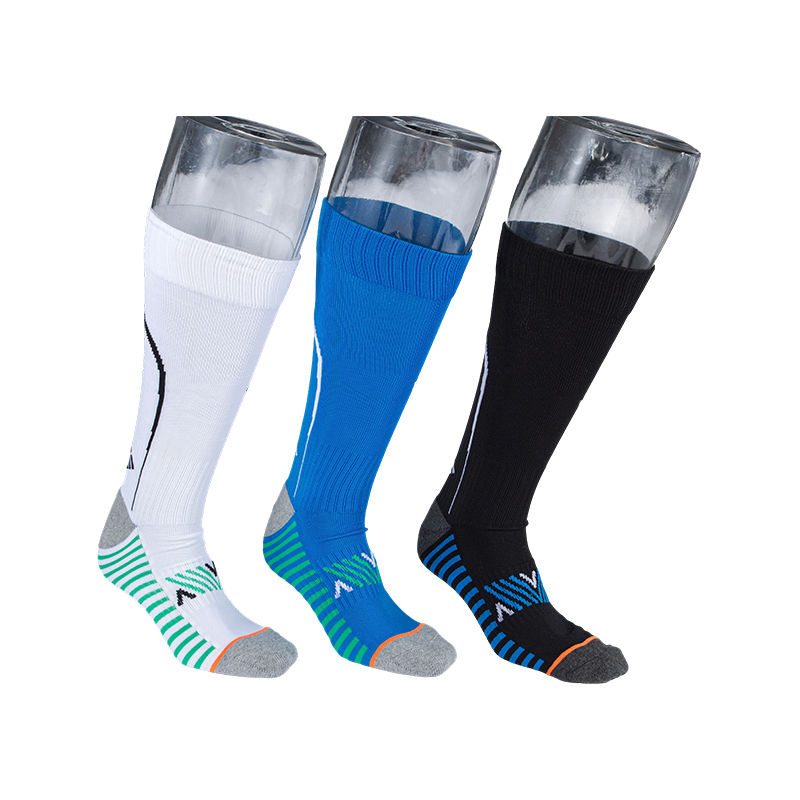
Choosing the right length and fit for Men's and Women's Football Socks is important because football involves constant sprinting, cutting, stopping, tackling, and quick directional changes. Socks are not only worn for coverage; they also help keep shin guards secure, reduce friction inside boots, support the lower leg, and improve comfort throughout training or match play.
The best football socks should feel secure without being overly tight, stay in place during movement, and match the player's boot fit, shin guard setup, and playing conditions. A poor fit can lead to slipping, bunching, pressure marks, blisters, or discomfort around the calf and ankle.
Football socks are available in different lengths, and each option serves a slightly different purpose. The right length depends on match requirements, protection needs, personal preference, and whether the socks are used for training or competition.
| Sock Length | Typical Coverage | Best For | Main Benefits | Considerations |
|---|---|---|---|---|
| Ankle Length | Below or around the ankle | Light training, gym sessions, casual practice | Breathable, lightweight, less restrictive | Does not cover shin guards and is usually not suitable for formal football matches |
| Crew Length | Above the ankle to mid-calf | Training, indoor football, light practice | More coverage than ankle socks, comfortable for repeated drills | May not provide enough height for full shin guard coverage |
| Over-the-Calf Length | From foot to below the knee | Matches, outdoor football, players using shin guards | Helps hold shin guards in place, provides traditional football coverage | Must have proper elasticity to avoid sliding or feeling too tight |
| Knee-High Length | Up to or slightly below the knee | Competitive play, colder weather, maximum lower-leg coverage | Secure shin guard coverage, added warmth, uniform appearance | Can feel restrictive if the calf area is too tight or the fabric is too thick |
For most football players, over-the-calf or knee-high socks are the most practical choice because they provide enough coverage for shin guards and meet typical football uniform expectations. However, training needs may differ from match needs.
The right fit should feel close to the foot and leg without cutting into the skin. Football socks need to stay stable during fast movement, but they should not restrict circulation or create pressure points.
Men's and women's football socks may differ in sizing, calf shape, foot length, and overall fit profile. While many football socks are designed to be unisex, players should still focus on actual foot measurements and comfort rather than choosing only by label.
| Fit Area | Men's Fit Considerations | Women's Fit Considerations | What to Check |
|---|---|---|---|
| Foot Length | Often requires larger sizes and longer foot sections | May need a narrower or shorter fit depending on foot shape | The heel should align correctly and the toe area should not bunch |
| Foot Width | Some players may need more room in the forefoot | Some players may prefer a closer fit through the midfoot | The sock should feel snug but not stretched thin |
| Calf Shape | May require stronger stretch and recovery around the calf | May require a secure but less bulky calf fit | The sock should stay up without tight pressure lines |
| Boot Fit | Thicker socks may affect boot tightness | Excess fabric may cause wrinkles in narrower boots | Try socks with football boots before match day |
When selecting football socks, comparing practical fit parameters can help players avoid discomfort and improve performance consistency.
| Parameter | Recommended Choice | Why It Matters |
|---|---|---|
| Length | Over-the-calf or knee-high for matches | Provides shin guard coverage and a secure lower-leg fit |
| Compression | Light to moderate compression | Helps the sock stay in place without restricting circulation |
| Cushioning | Targeted cushioning at heel, toe, and sole | Improves comfort while keeping boots responsive |
| Thickness | Medium or lightweight depending on boot fit | Prevents the boot from becoming too tight or unstable |
| Elasticity | Strong stretch with good recovery | Prevents sagging, twisting, and bunching during play |
| Moisture Control | Breathable, moisture-wicking materials | Helps reduce sweat buildup, friction, and discomfort |
A good football sock is not only defined by size and length. Construction details help determine whether the sock stays comfortable during high-intensity movement.
Before wearing football socks in a match, it is best to test them with football boots and shin guards. A sock may feel comfortable alone but behave differently during movement.
Many comfort problems come from choosing football socks based only on appearance or thickness. The right pair should match the player's activity, footwear, and protection needs.
For most players, the safest choice is a well-fitted over-the-calf football sock with light to moderate compression, breathable fabric, targeted cushioning, and a stable arch band. This combination offers enough coverage for shin guards while helping the sock stay secure inside the boot.
The right football sock should feel like part of your kit: secure, breathable, supportive, and comfortable from warm-up to the final whistle.
Football socks should be snug but not painfully tight. They need enough elasticity to stay up and hold shin guards in place, but they should not leave deep marks, restrict movement, or make the foot feel numb.
Over-the-calf or knee-high socks are usually best for football matches because they provide proper shin guard coverage and help create a secure, uniform fit. Shorter socks may be suitable for training but are often not ideal for match play.
Your football socks may be too big if the heel does not sit correctly, the toe area folds, the sock slides inside the boot, or fabric bunches under the foot. A correct fit should feel smooth, stable, and closely shaped to the foot and leg.




 English
 中文简体
中文简体 Español