Crafting Comfort, Defining Freedom

Latest Updates
Gloves & Mittens Industry knowledge
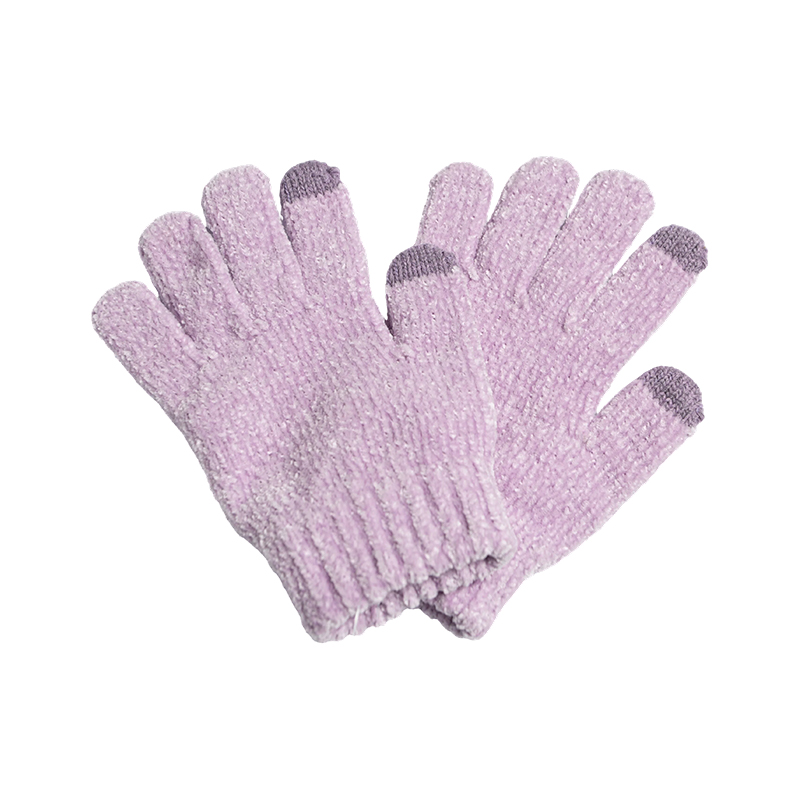
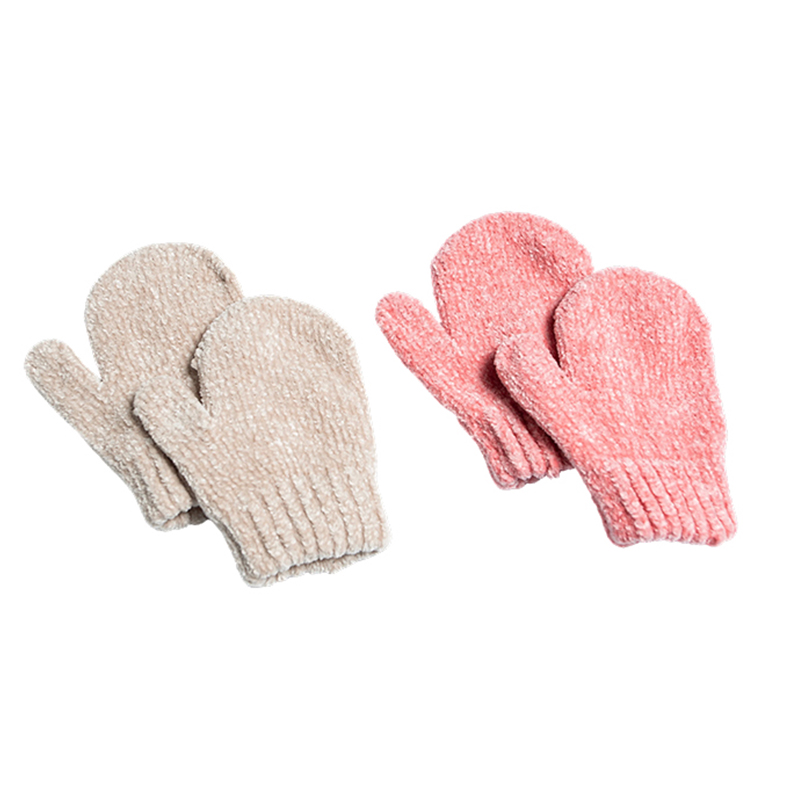
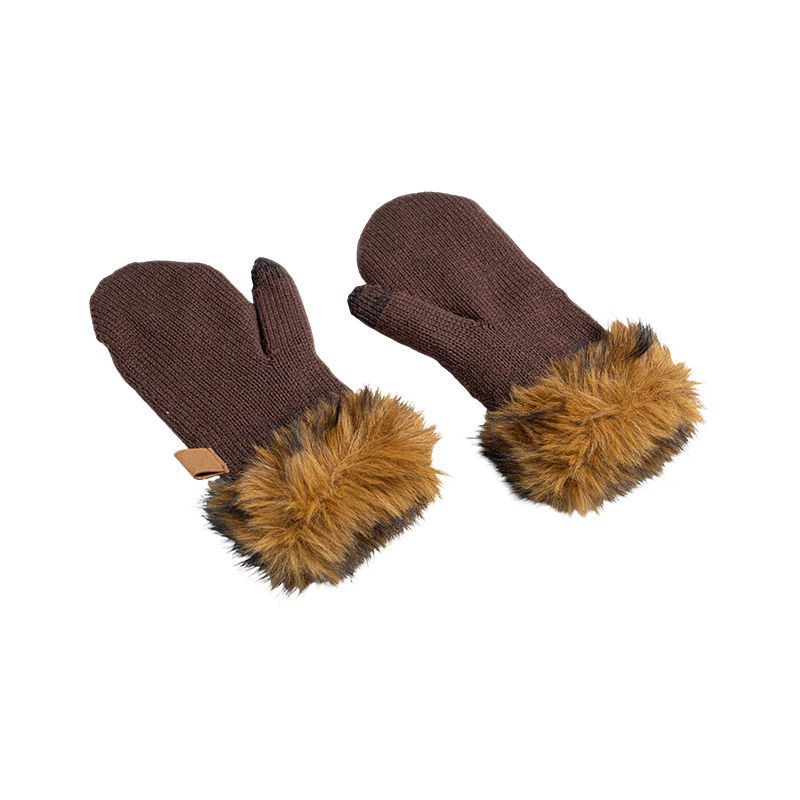
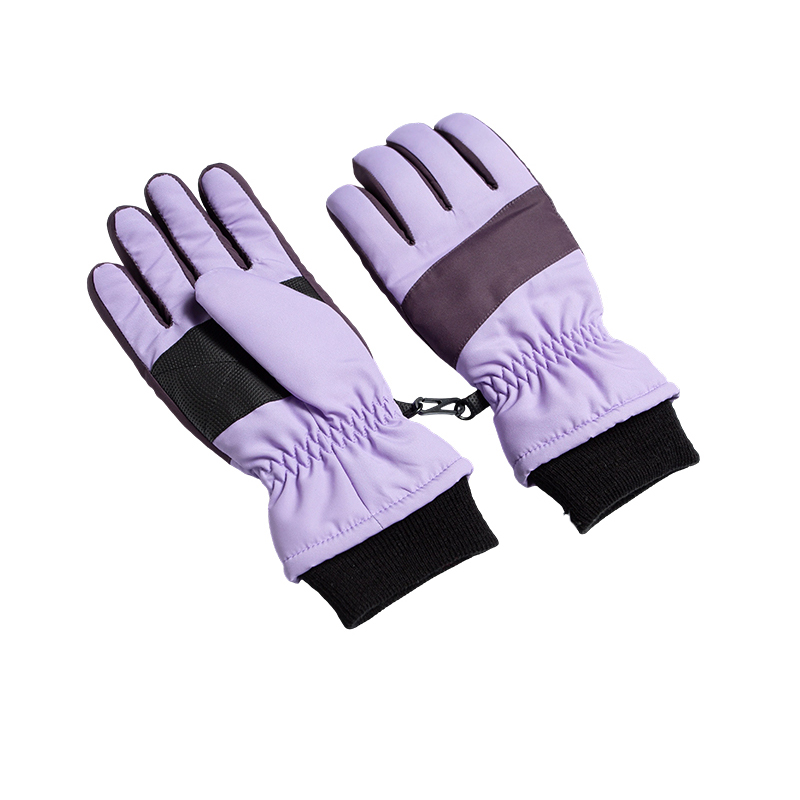
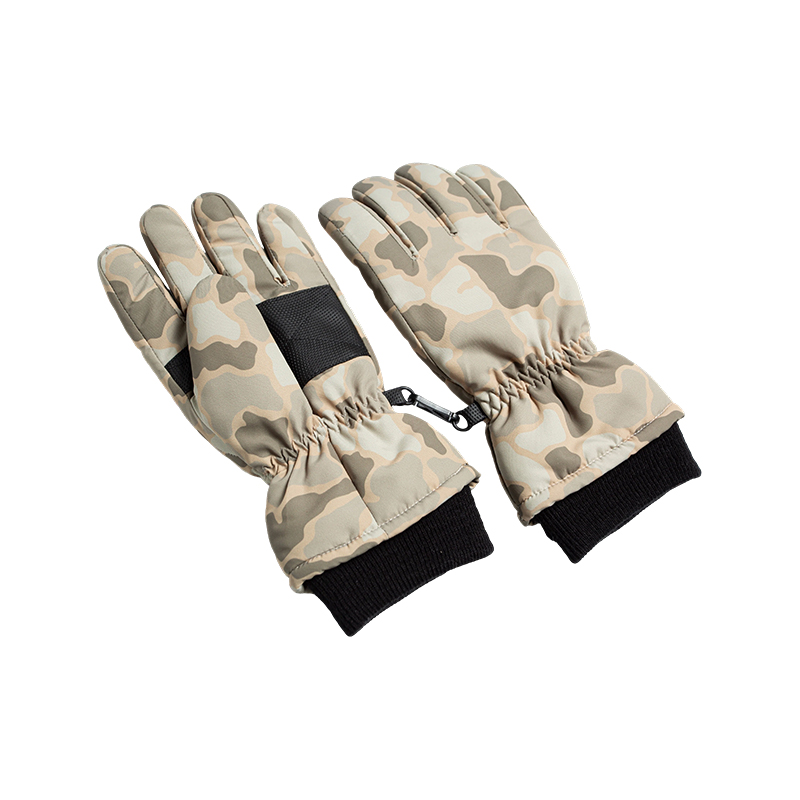
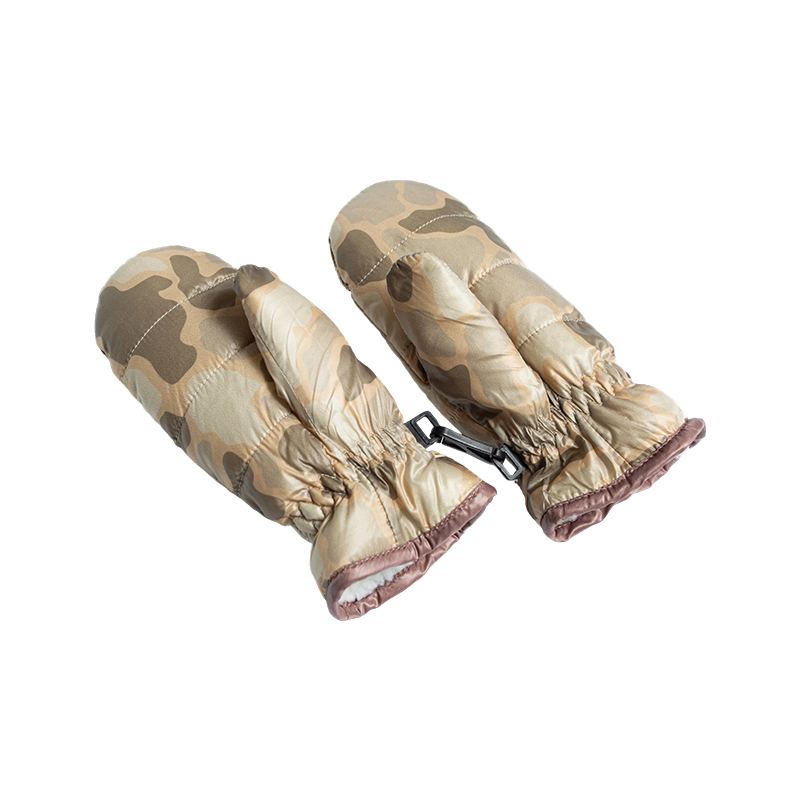
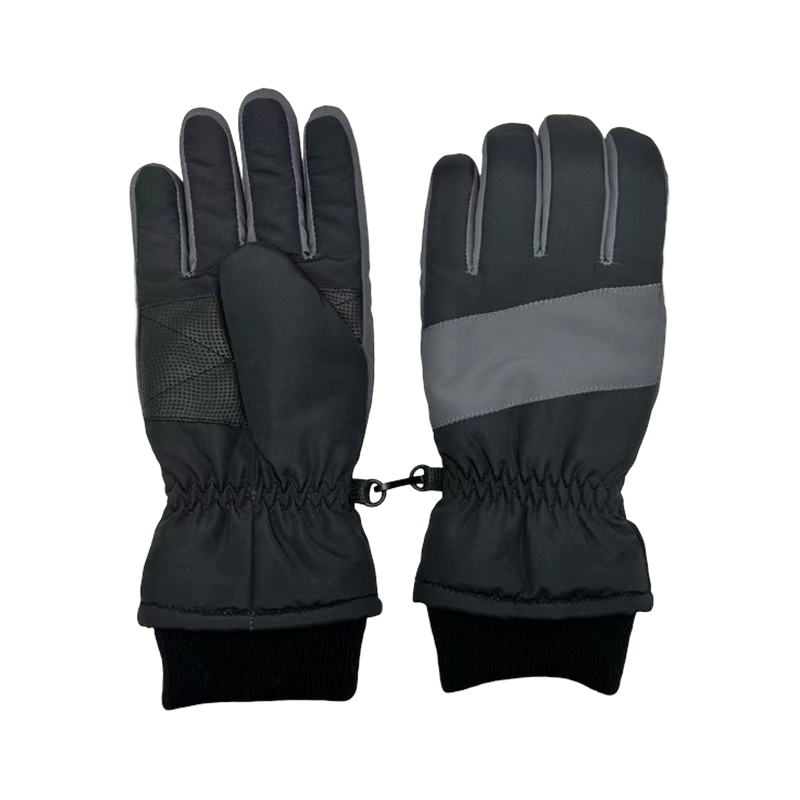
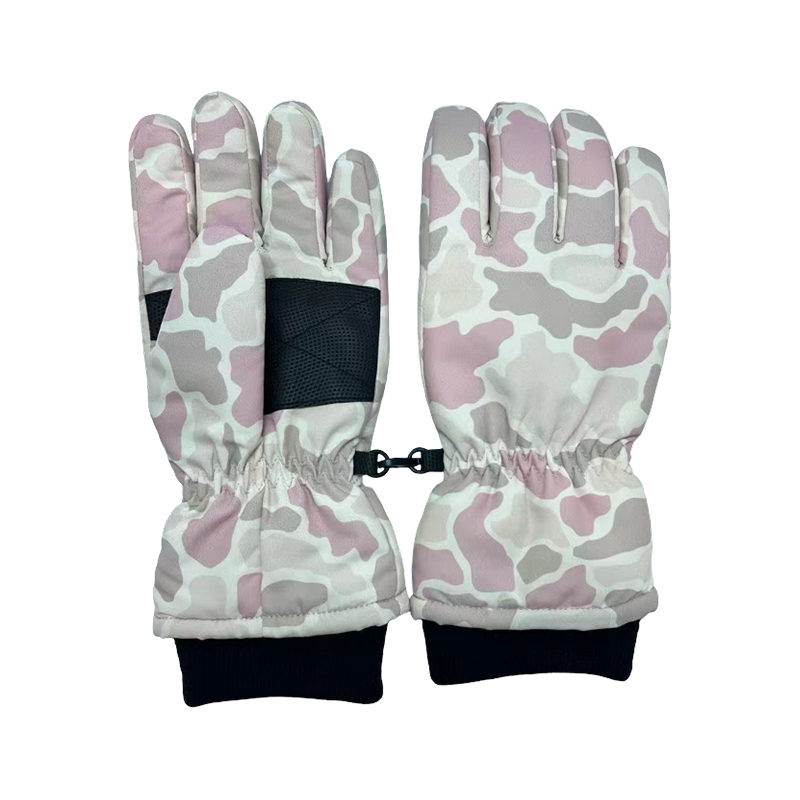
In modern apparel systems, gloves & mittens are no longer viewed as simple protective accessories. Instead, they have evolved into functional textile products that combine thermal comfort, tactile precision, moisture management, and ergonomic adaptability. As daily-use demands expand across commuting, outdoor activity, work environments, and lifestyle wear, the definition of “comfort” in handwear has become more technical and multi-dimensional.
High-performance designs focus on balancing insulation and breathability while ensuring unrestricted hand movement. This balance is achieved through material engineering, structural optimization, and user-centered design thinking.
Ergonomics is the first critical factor influencing how gloves & mittens feel during extended wear. A well-structured pattern follows the natural curvature of the hand, reducing resistance during flexion and grip.
Key ergonomic features include:
These structural refinements ensure that gloves & mittens support natural movement rather than restrict it, significantly improving long-term wearability.
Material composition directly determines softness, warmth, breathability, and durability. High-performance gloves & mittens typically integrate multi-layer textile systems to optimize functionality.
| Material Type | Primary Function | Comfort Benefit | Typical Application |
|---|---|---|---|
| Merino Wool | Thermal insulation | Natural warmth & odor resistance | Cold-weather daily wear |
| Polyester Blends | Moisture control | Quick-dry and lightweight feel | Sports and commuting |
| Nylon Fiber | Structural strength | Enhanced durability and shape retention | Work and outdoor use |
| Fleece Lining | Soft insulation | Skin-friendly warmth | Winter mittens |
| Spandex Blend | Elasticity | Improved fit and flexibility | All-purpose gloves |
The combination of these materials ensures that gloves & mittens remain comfortable across varying climates and usage scenarios.
Comfort is not only about warmth but also about maintaining a stable microclimate inside the glove. Excess heat or trapped moisture can quickly reduce usability.
Advanced designs incorporate:
These systems help maintain a balanced internal environment, making gloves & mittens suitable for prolonged daily wear without overheating or dampness.
A precise fit enhances both comfort and functionality. Poorly fitted gloves often reduce dexterity and cause fatigue.
Modern design strategies focus on:
This allows users to maintain grip precision while still benefiting from thermal protection.
The inner surface of gloves & mittens plays a crucial role in long-term comfort. Smooth, low-friction linings reduce irritation and enhance softness.
Common approaches include:
These refinements ensure that daily wear remains comfortable even during extended usage periods.
Different usage scenarios require different comfort priorities. For example, commuting gloves emphasize flexibility and touchscreen compatibility, while winter mittens prioritize insulation.
| Usage Scenario | Key Requirement | Design Focus |
|---|---|---|
| Daily commuting | Flexibility + light warmth | Thin insulation + grip control |
| Outdoor sports | Breathability + durability | Moisture control + reinforced palm |
| Winter protection | High insulation | Multi-layer thermal structure |
| Work use | Grip + safety | Reinforced stitching + abrasion resistance |
This segmentation ensures that gloves & mittens meet real-world performance expectations without compromising comfort.
The evolution of gloves & mittens reflects a broader shift in the apparel industry toward human-centered design. Comfort is no longer defined solely by softness or thickness but by how well a product integrates into daily life.
Haining City Bonroy Trading Co., Ltd. began with a quest to understand the “essence of clothing”—viewing garments not just as physical coverings but as extensions of personality and lifestyle. This philosophy extends into functional apparel categories such as gloves & mittens, where material selection and design refinement aim to enhance everyday experience.
As a China Custom ODM/OEM Socks & Underwear & Apparel Manufacturer, Bonroy applies meticulous attention to yarn selection and stitching detail to ensure comfort is engineered from the inside out.
Building on this philosophy, Bonroy continues to integrate lifestyle awareness into product development, ensuring that every textile structure supports both physical ease and emotional comfort.
Ultimately, Bonroy emphasizes that comfort is not an added feature but a core design principle embedded in every stage of production.
High-performance gloves & mittens achieve superior daily comfort through a combination of ergonomic structuring, advanced material systems, thermal regulation technology, and precise fit engineering. As user expectations continue to evolve, comfort is increasingly defined by adaptability, breathability, and long-term wear stability rather than simple insulation alone.
1. What makes gloves & mittens more comfortable for daily wear?
A combination of ergonomic design, soft inner linings, breathable materials, and proper fit ensures all-day comfort.
2. Which materials are best for comfortable gloves & mittens?
Merino wool, fleece, polyester blends, and spandex combinations are commonly used for balancing warmth, softness, and flexibility.
3. How do gloves & mittens prevent overheating?
They use breathable membranes, moisture-wicking linings, and air circulation structures to maintain internal temperature balance.
4. Why is ergonomic design important in gloves & mittens?
It reduces hand fatigue, improves grip efficiency, and supports natural movement during extended use.
5. Can gloves & mittens balance warmth and flexibility at the same time?
Yes, through layered material systems and stretchable fiber integration, both insulation and mobility can be achieved simultaneously.




 English
 中文简体
中文简体 Español