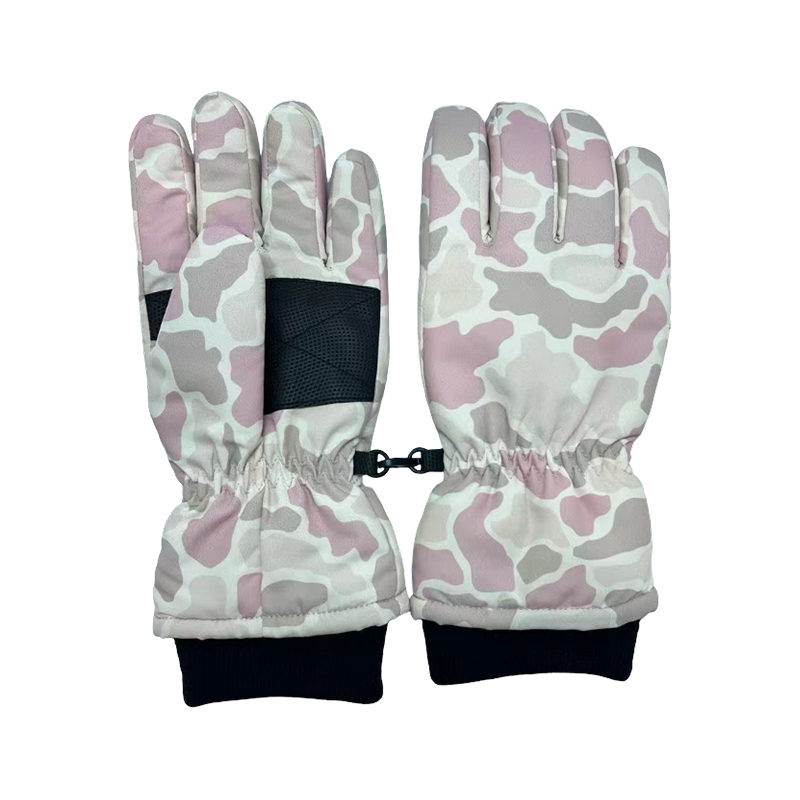
Crafting Comfort, Defining Freedom

Latest Updates
Ski Gloves & Functional Gloves Industry knowledge
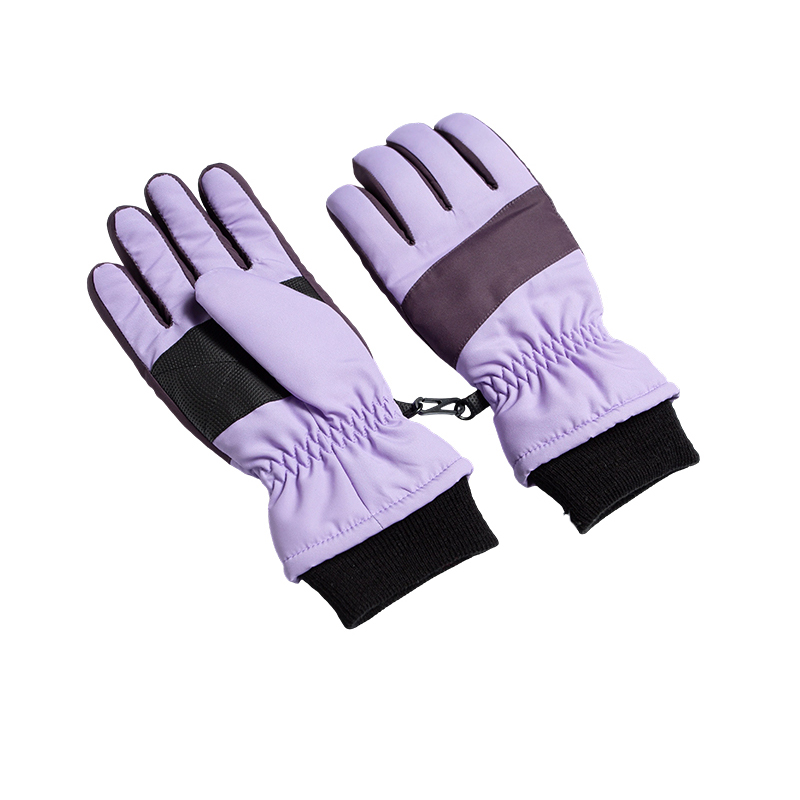
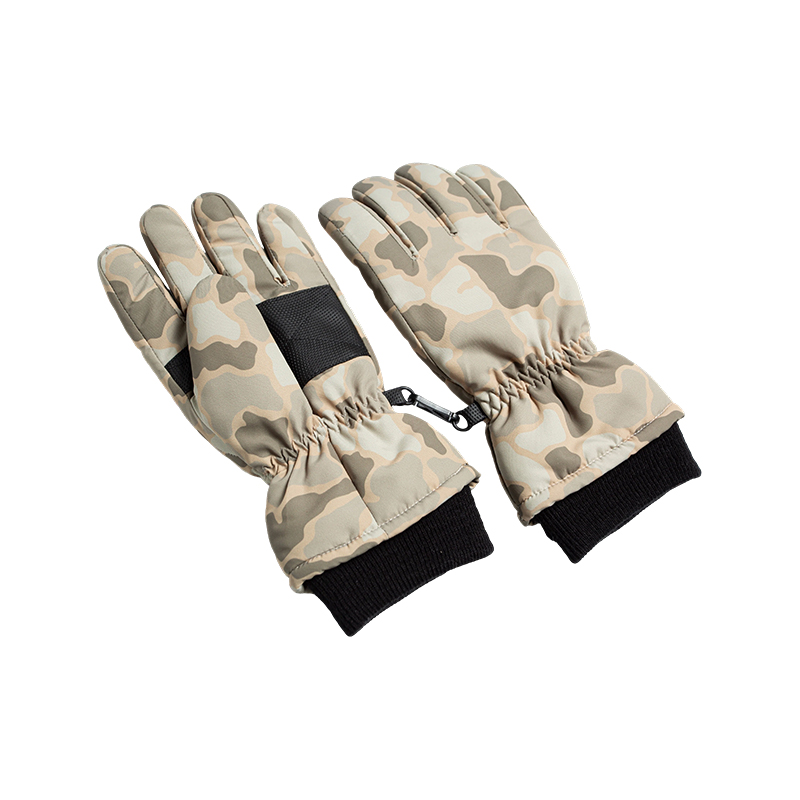
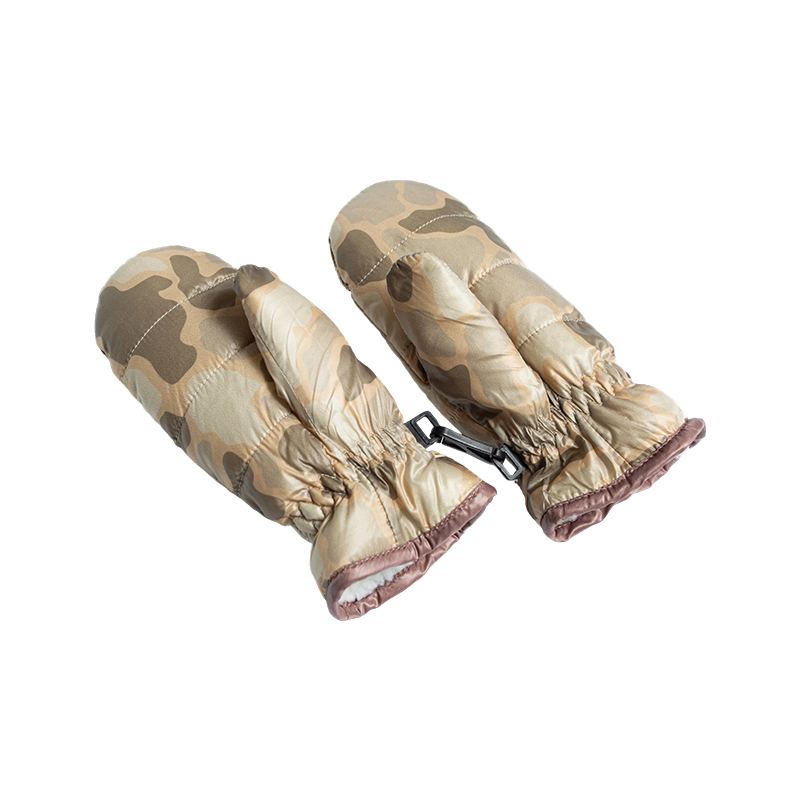
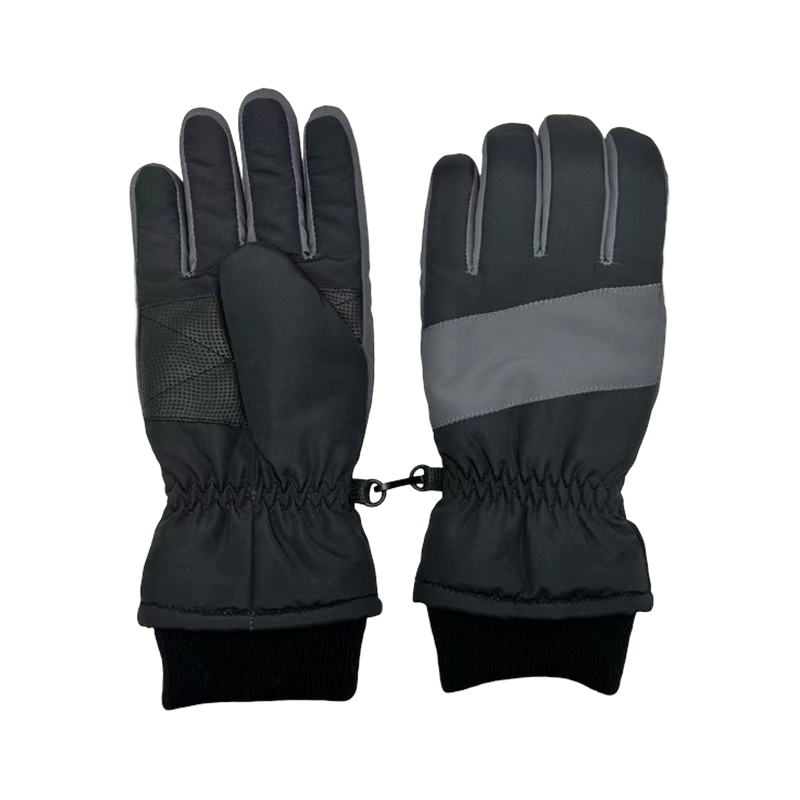
Outdoor sports expose hands to a combination of low temperatures, moisture, friction, and impact risks. In this context, ski gloves & functional gloves are not only thermal accessories but also essential protective systems that directly influence performance safety, dexterity, and endurance.
Modern outdoor gear development focuses on integrating insulation science, ergonomic structure, and material engineering to ensure that gloves support users in skiing, mountaineering, snowboarding, hiking, and other high-exposure environments.
The safety value of ski gloves & functional gloves is built on multiple functional layers rather than a single protective feature.
These combined functions ensure that gloves act as a protective interface between the human body and extreme outdoor environments.
Material selection determines how effectively ski gloves & functional gloves perform under different outdoor conditions.
| Material Type | Main Function | Safety Contribution | Application Scenario |
|---|---|---|---|
| Insulated synthetic fibers | Heat retention | Prevents frostbite | Skiing, snowboarding |
| Waterproof membrane layers | Moisture blocking | Reduces cold injury risk | Snow sports, wet environments |
| Reinforced synthetic leather | Abrasion resistance | Enhances durability & grip safety | Climbing, trekking |
| Breathable mesh lining | Moisture control | Prevents overheating & sweat buildup | High-intensity sports |
A multi-layer structure is commonly used to balance warmth, flexibility, and durability without sacrificing mobility.
Beyond materials, structural design plays a crucial role in safety performance.
Ski gloves & functional gloves typically include:
These design elements ensure that hand movement remains natural while minimizing strain-related injuries.
Outdoor environments are unpredictable, and gloves must adapt quickly to changing conditions.
Ski gloves & functional gloves enhance adaptability through:
This adaptability is critical in maintaining continuous safety without interrupting activity flow.
In modern apparel development, gloves are no longer isolated accessories but part of integrated functional clothing systems.
Haining City Bonroy Trading Co., Ltd. began with a quest to understand the “essence of clothing”—clothing as an extension of emotion, personality, and lifestyle. As a China Custom ODM/OEM Socks & Underwear & Apparel Manufacturer, Bonroy applies this philosophy to functional wear design, including protective outdoor apparel concepts that align with human comfort and movement needs.
Bonroy emphasizes:
This approach reflects how ski gloves & functional gloves can evolve from simple protective gear into lifestyle-enabling equipment.
| Scenario | Required Function | Glove Feature |
|---|---|---|
| Skiing | Thermal + grip stability | Insulated lining + anti-slip palm |
| Mountaineering | Abrasion + wind resistance | Reinforced outer shell |
| Snow trekking | Waterproof + breathability | Membrane + moisture control |
| Winter commuting outdoors | Lightweight warmth | Thin insulation + flexibility |
This functional mapping ensures users select gloves based on environmental risk rather than appearance alone.
The safety enhancement mechanism of ski gloves & functional gloves can be summarized in three layers:
Together, these layers create a stable protective system that supports long-duration outdoor performance.
Ski gloves & functional gloves are essential protective equipment in outdoor sports, combining thermal regulation, mechanical protection, and ergonomic efficiency. Their design evolution reflects a shift from basic warmth to comprehensive safety systems that support high-performance movement in extreme environments.
Q1: Why are ski gloves & functional gloves important in outdoor sports?
They protect hands from cold, moisture, and impact while maintaining grip stability and mobility.
Q2: What makes functional gloves different from regular winter gloves?
Functional gloves integrate waterproofing, insulation, and ergonomic design for performance use, not just warmth.
Q3: How do materials affect glove safety performance?
Different materials control insulation, abrasion resistance, waterproofing, and breathability, directly influencing safety.
Q4: Can ski gloves improve grip in extreme conditions?
Yes, anti-slip palm materials and structured design significantly enhance grip stability in snow and ice.
Q5: Are lightweight gloves suitable for skiing?
They are suitable for mild conditions but may lack sufficient insulation for extreme cold environments.




 English
 中文简体
中文简体 Español