Crafting Comfort, Defining Freedom
Latest Updates
Hiking Socks Industry knowledge
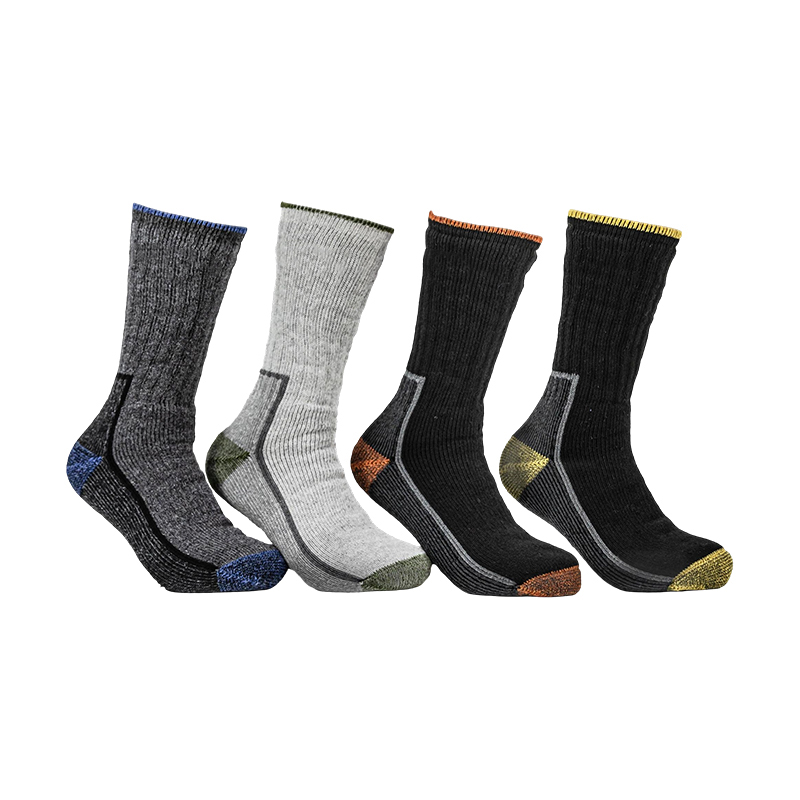
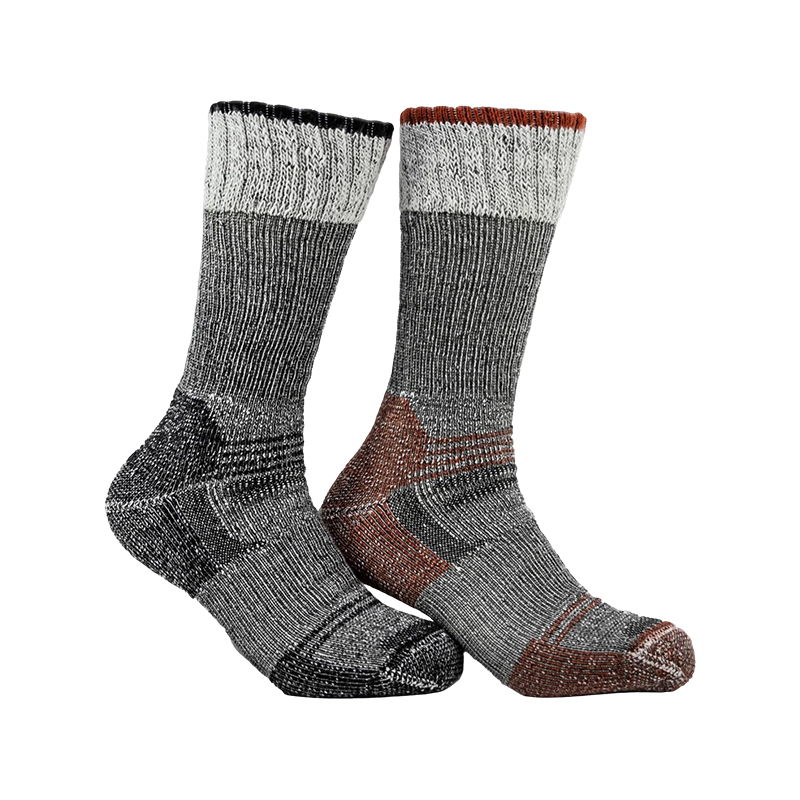
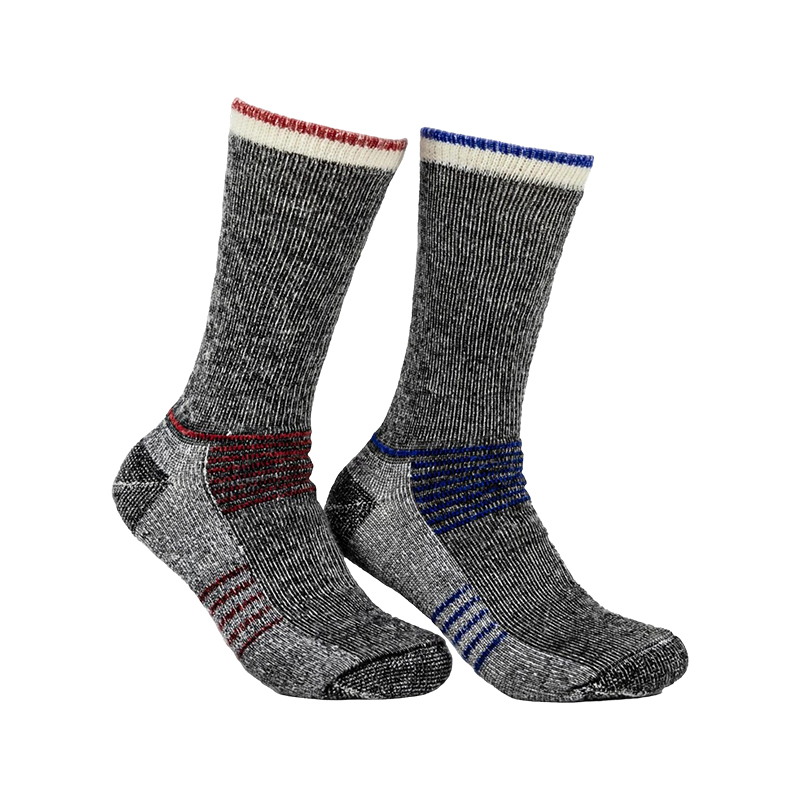
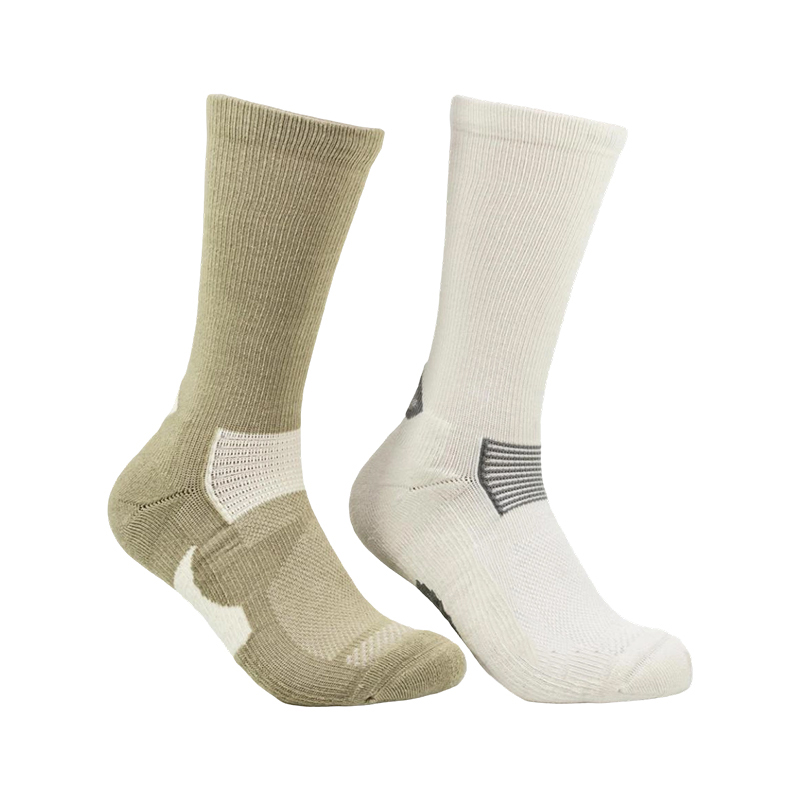
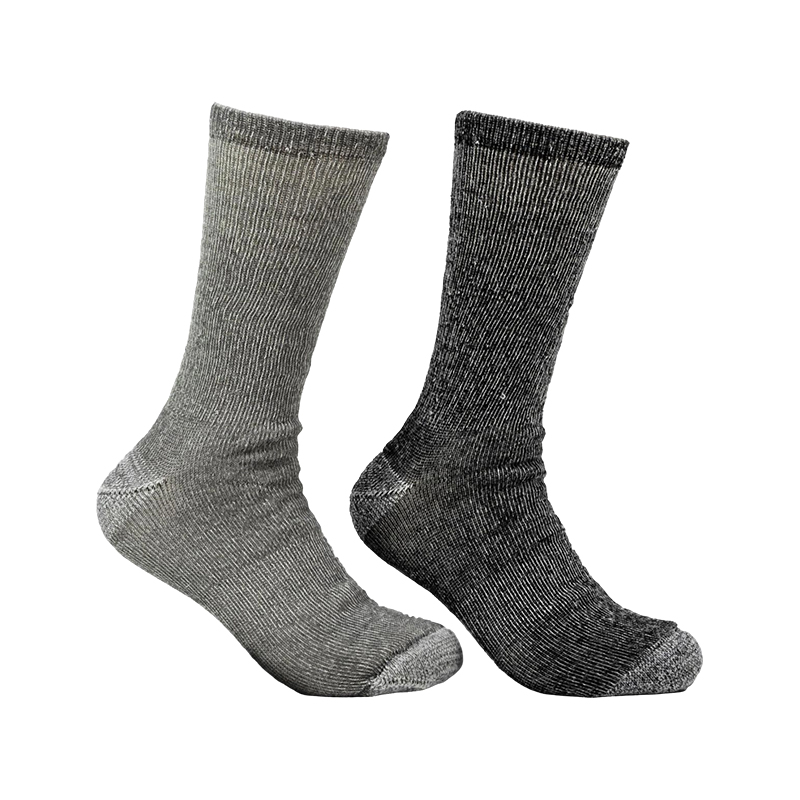
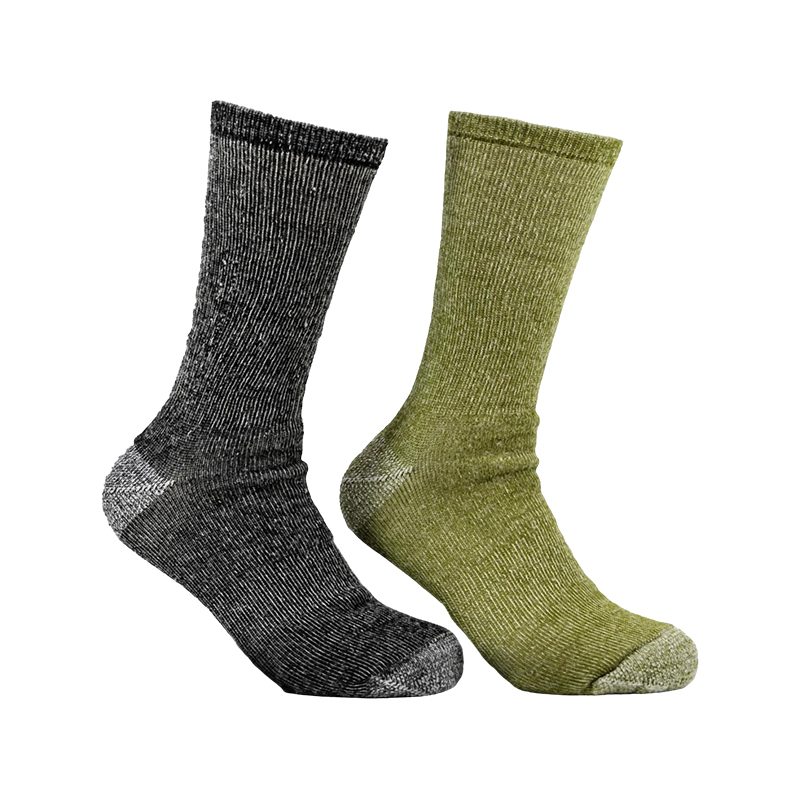
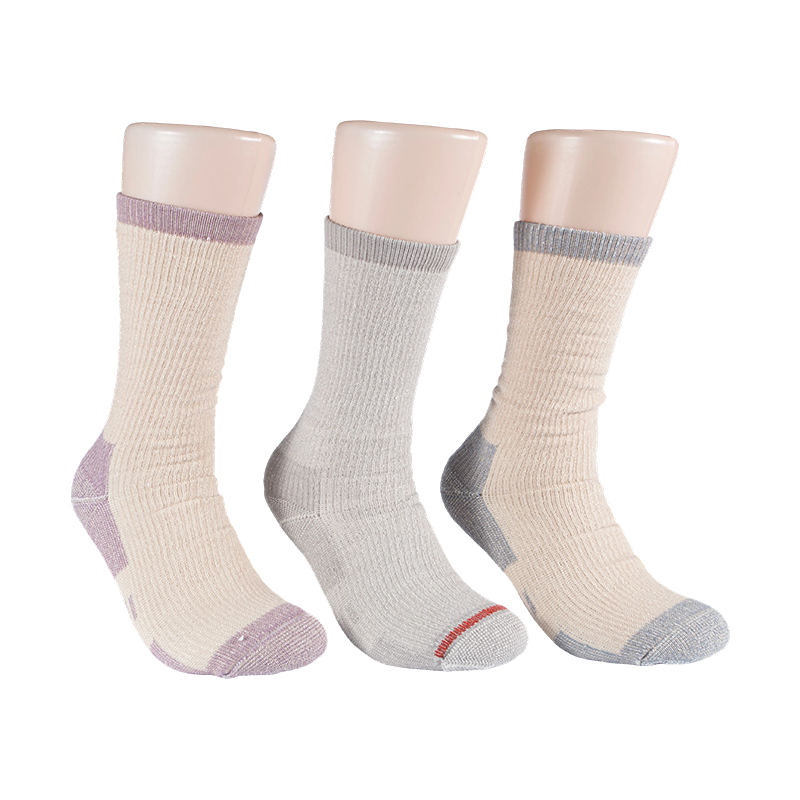
When people prepare for hiking, they often focus on boots, backpacks, and outdoor clothing. However, socks play a major role in foot comfort, stability, and endurance on the trail. High-quality Comfortable Hiking Socks are designed to reduce pressure, manage friction, support the arch, and protect the feet during long walks over uneven terrain.
Cushioning and arch support matter because hiking places repeated stress on the feet. Every step involves impact, body weight, backpack load, terrain changes, and shoe friction. Without proper sock structure, hikers may experience sore feet, hot spots, blisters, fatigue, or reduced stability.
Cushioning is one of the most important features in hiking socks. It refers to the thicker, softer zones built into the sock, usually around the heel, toe, sole, and sometimes the ankle. These cushioned areas help absorb impact and reduce direct pressure between the foot and the hiking boot.
Arch support in hiking socks is usually created through elastic compression bands around the midfoot. This structure helps the sock fit closely around the arch area and prevents the fabric from sliding, bunching, or twisting inside the boot.
Good arch support does not replace supportive footwear, but it improves sock stability and foot comfort. When hiking for several hours, even small sock movements can create friction and irritation. A secure arch band helps keep the sock in position and supports a more stable feel during movement.
Not all hiking socks need the same amount of cushioning. The best choice depends on trail difficulty, hiking duration, boot fit, weather, and personal comfort preference. Too little cushioning may not provide enough protection, while too much cushioning may make tight boots feel uncomfortable.
| Cushioning Level | Best For | Main Benefits | Possible Considerations |
|---|---|---|---|
| Light Cushioning | Short hikes, warm weather, lightweight footwear | Breathable, less bulky, quick-drying feel | May provide less impact protection on rocky trails |
| Medium Cushioning | Day hikes, mixed terrain, moderate backpack loads | Balanced comfort, protection, and breathability | May feel slightly warmer than light cushioning |
| Heavy Cushioning | Long-distance hiking, cold weather, rugged terrain, heavier packs | Maximum padding, warmth, and impact absorption | Can feel bulky in tight boots and may reduce ventilation |
Many regular socks are designed for casual use, not long-distance outdoor movement. Hiking socks are usually engineered with stronger structure, targeted elasticity, and more durable yarn blends. The difference becomes more noticeable during long hikes, steep climbs, and uneven trail conditions.
| Feature | Regular Socks | Comfortable Hiking Socks |
|---|---|---|
| Arch Support | Often minimal or absent | Usually includes elastic arch bands for a secure fit |
| Stability | May shift or bunch during long walks | Designed to stay in place during repeated movement |
| Cushioning | General padding or thin fabric | Targeted cushioning at heel, toe, sole, and pressure points |
| Friction Control | Limited protection against rubbing | Designed to reduce hot spots and blister risk |
| Trail Suitability | Better for daily casual wear | Better for hiking, trekking, backpacking, and outdoor terrain |
Blisters often form when friction, moisture, and heat build up in the same area. During hiking, the heel, toes, and ball of the foot are especially vulnerable because they experience constant movement and pressure. Cushioning helps create a protective layer that reduces harsh rubbing against the boot.
A sock that moves inside the boot can quickly cause discomfort. Arch support helps secure the sock around the midfoot, which is especially useful when hiking uphill, descending, or walking across uneven surfaces. The more stable the sock, the less likely it is to fold, twist, or slide.
Cushioning and arch support are not only about thickness. They also depend on yarn quality, knitting structure, elasticity, and moisture control. The best hiking socks combine soft padding with breathable and durable materials.
Hiking conditions vary widely, so the ideal sock structure should match the environment. A short summer trail requires different sock features than a multi-day mountain route.
| Hiking Condition | Recommended Cushioning | Recommended Arch Support | Key Benefit |
|---|---|---|---|
| Short Day Hikes | Light to medium cushioning | Moderate arch support | Comfort without excessive thickness |
| Long-Distance Hiking | Medium to heavy cushioning | Strong arch support | Better endurance, stability, and friction control |
| Rocky or Rugged Trails | Medium to heavy cushioning | Strong arch support | Improved impact protection and foot security |
| Warm Weather Hiking | Light to medium cushioning | Moderate arch support | Better breathability and moisture control |
| Cold Weather Hiking | Medium to heavy cushioning | Moderate to strong arch support | Added warmth and comfort in lower temperatures |
Comfortable hiking socks do not make a hiker faster by themselves, but they can help maintain comfort and reduce distractions. When feet feel stable and protected, hikers can focus more on the trail and less on foot discomfort.
If your feet feel uncomfortable during or after hiking, your socks may not be providing enough structure. The following signs suggest that it may be time to choose hiking socks with better cushioning and arch fit:
Choosing the right hiking socks is about balancing protection, breathability, fit, and terrain needs. The best option should feel secure but not tight, cushioned but not bulky, and breathable enough for the expected weather.
Not always. Heavy cushioning provides more padding and warmth, which is useful for rugged terrain, cold weather, or long-distance hiking. However, it may feel too thick in tight boots or warm climates. For many hikers, medium cushioning offers the best balance between comfort, protection, and breathability.
No. Arch support in socks mainly helps improve fit, reduce sock movement, and add gentle midfoot compression. It does not replace the structural support of well-fitted hiking boots or specialized insoles. For best comfort, socks, boots, and insoles should work together.
Hiking socks should feel snug but not restrictive. The arch area should hold the sock securely in place without causing pressure, numbness, or discomfort. If the sock leaves deep marks or makes your foot feel compressed, it may be too tight or the size may be incorrect.




 English
 中文简体
中文简体 Español