Jul 16, 2026
Content
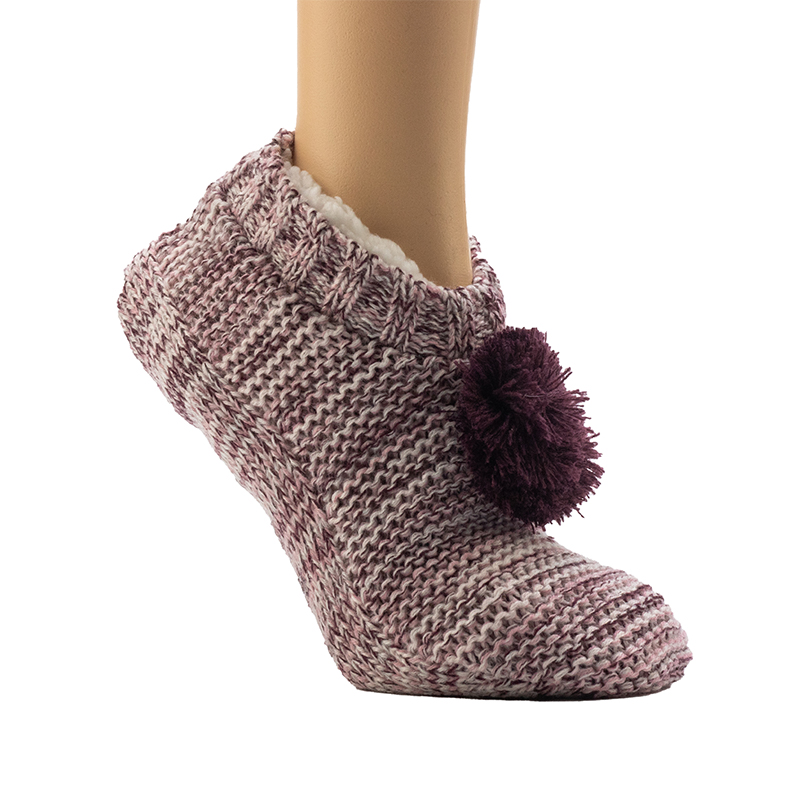
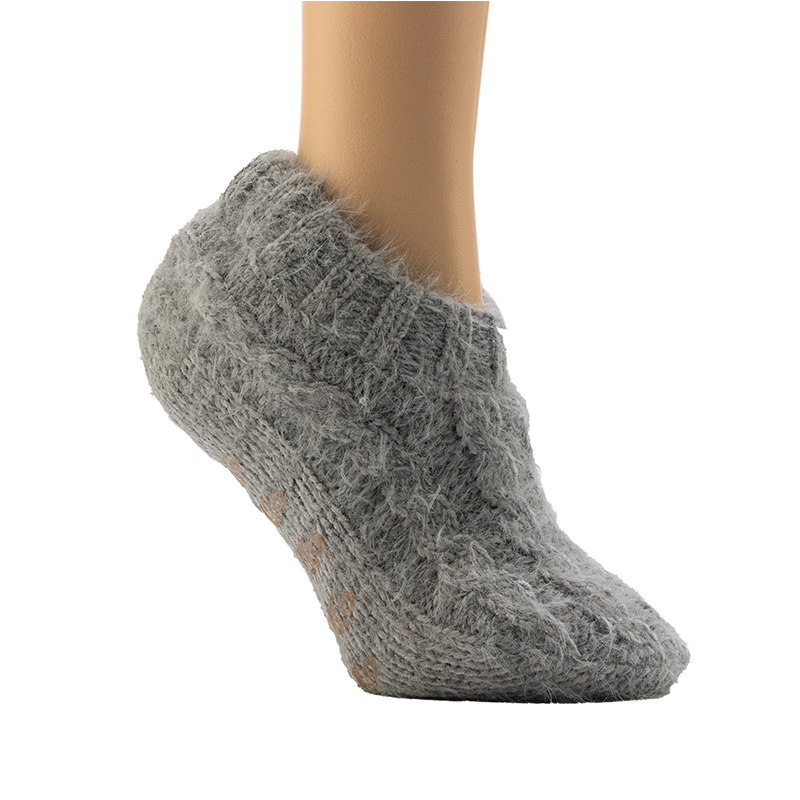
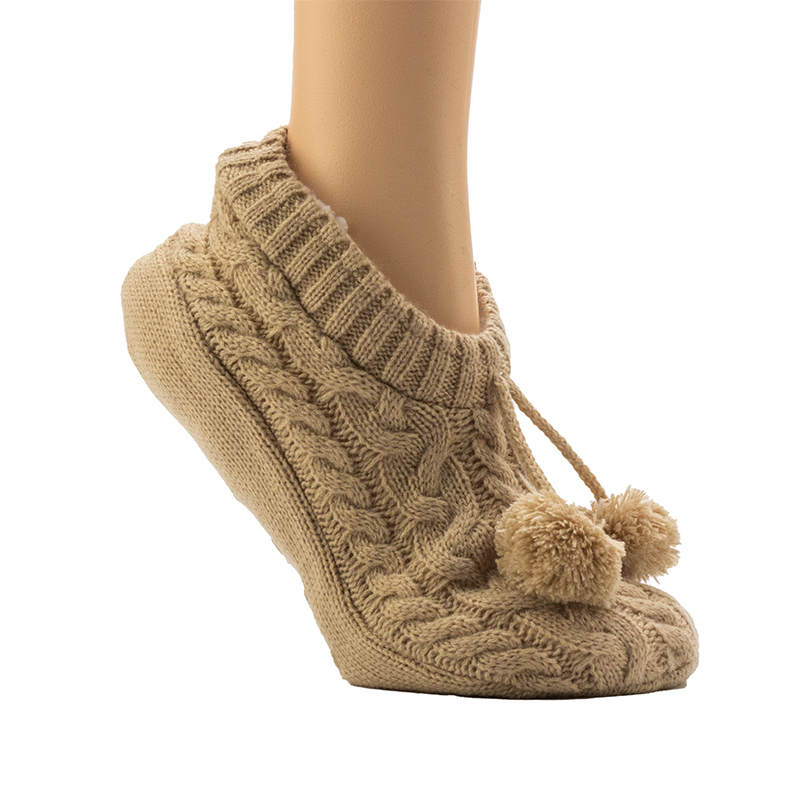
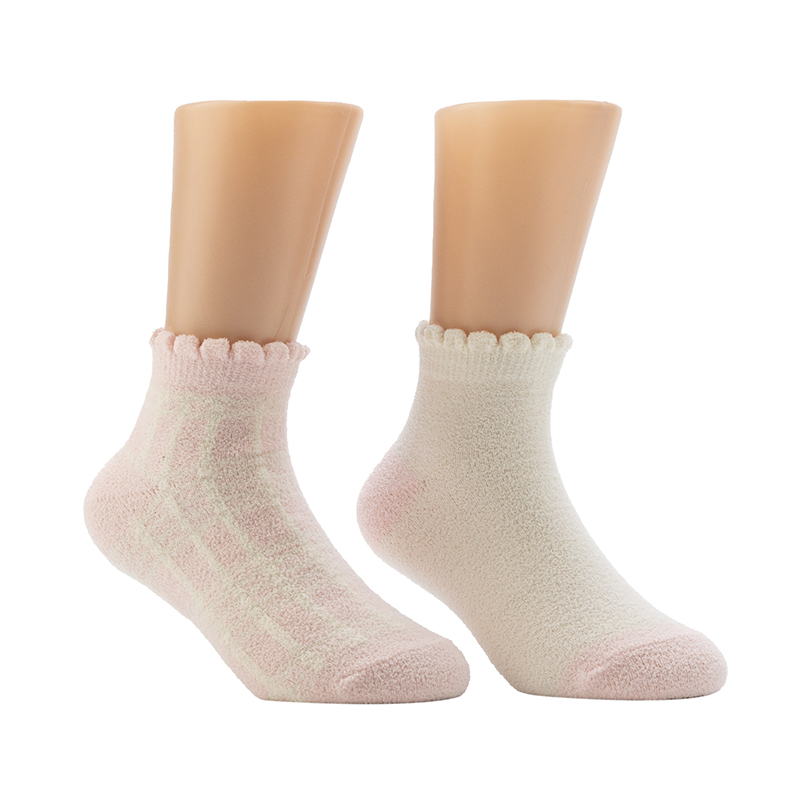
Home socks are a category of footwear accessory designed specifically for indoor use, distinct from socks intended primarily to be worn inside shoes outdoors. While a standard everyday sock is engineered around compatibility with footwear — thin enough to fit inside a shoe, shaped to reduce bulk — a sock made for home wear is engineered around direct contact with floor surfaces. This changes almost every design decision, from the density of the knit to the presence of a grip layer on the sole.
The purpose of a home sock is threefold: to keep feet warm on cool flooring, to provide a barrier between bare skin and household surfaces, and in many designs, to reduce the chance of slipping on smooth floors such as tile, laminate, or hardwood. Because these socks are not confined inside a shoe, they tend to be knit with thicker yarn, looser tension, and additional cushioning at the sole, heel, and toe.
Material choice affects warmth, moisture handling, softness, and durability, and different fibers suit different climates and use cases.
Cotton is the most widely used fiber for home socks because it is breathable, soft against the skin, and relatively inexpensive to produce at scale. Its main limitation is moisture retention — cotton absorbs sweat but dries slowly, which can leave feet feeling damp during extended wear in warmer conditions.
Wool, particularly merino wool, offers strong thermal insulation and naturally wicks moisture away from the skin while resisting odor buildup. Wool fibers also retain warmth even when slightly damp, which makes wool-blend home socks a common choice for colder regions. Pure wool can feel coarser against sensitive skin, so many manufacturers blend it with a small percentage of nylon or acrylic to improve softness and shape retention.
Synthetic fibers such as acrylic and polyester are valued for their durability, quick-drying properties, and resistance to shrinking or pilling. They are frequently blended with cotton or wool to reinforce structural areas like the heel and toe, since synthetic yarns tend to hold their shape better through repeated washing.
Bamboo-derived viscose has grown in use for home socks due to its smooth texture and natural moisture absorption. It offers a silkier hand-feel than cotton but generally requires blending with a synthetic fiber to improve elasticity and long-term durability.
Cashmere and alpaca fibers occupy a smaller share of the home sock category, mainly due to production cost, but are valued for exceptional softness combined with strong thermal insulation relative to fiber weight. Both fibers are typically blended with nylon or wool to add durability, since pure cashmere or alpaca yarn on its own can wear thin more quickly at friction points such as the heel and toe.
Beyond fiber type, the knit structure itself affects comfort. A terry or loop-knit interior — where extra loops of yarn are knit into the inside face of the sock — adds cushioning and traps a thin layer of air for insulation, which is why this construction is common in socks marketed for colder months.
Most home socks on the market are not made from a single fiber but from an engineered blend, where each fiber contributes a specific property. A typical blend might combine cotton for breathability, a small percentage of nylon for shape retention, and elastane for stretch recovery in the cuff and arch band. Understanding the role each fiber plays in a blend makes it easier to evaluate a sock's listed composition rather than relying on the dominant fiber name alone.
When evaluating home socks at a technical level, several measurable factors determine how a sock will perform in daily use. Fabric weight, typically measured in grams per pair, affects warmth and durability — heavier socks generally last longer and insulate better but may feel bulky in warmer climates. Elastane content in the cuff and arch band affects how well the sock holds its shape after multiple wash cycles. Sole grip density, meaning the number and pattern of anti-slip elements per square inch, affects traction on smooth flooring.
Stretch recovery, meaning how well the cuff and arch band return to their original shape after being stretched during wear, is another factor that separates a durable sock from one that loosens quickly. This is largely determined by the ratio of elastane to base fiber, along with the tightness of the knit in those specific zones. Socks with little to no elastane content tend to lose their fit noticeably faster, particularly after repeated machine washing.
| Specification | Lightweight home socks | Midweight home socks | Heavyweight home socks |
|---|---|---|---|
| Fabric weight per pair | 25–35g | 35–50g | 50–70g |
| Typical fiber composition | Cotton blend | Cotton-wool blend | Wool or terry loop cotton |
| Elastane content | 2–4 percent | 4–6 percent | 4–8 percent |
| Common grip sole use | Optional | Common | Standard |
| Best suited season | Warm climates, indoor year-round | Spring and autumn | Winter and cold-floor environments |
Home socks are used across a wider range of settings than the name suggests. In residential settings, they are worn on hardwood, tile, or laminate flooring to reduce cold contact and add a layer of grip when walking on smooth surfaces. In hospitality settings, thicker terry-lined socks with grip soles are commonly provided as guest amenities in hotels and short-term rentals. Healthcare facilities use grip-sole socks for patients who are mobile but at elevated risk of slipping, since bare feet or standard hospital footwear can present a fall hazard on polished flooring. Spas and wellness centers use similar designs for guest comfort during treatments that involve walking between rooms.
Care facilities for older adults represent another significant setting, where grip-sole socks are often used specifically because standard hospital-style non-slip footwear can be difficult to put on and remove independently, while a sock-based design offers similar traction with easier day-to-day handling. Fitness and rehabilitation studios that use flooring such as rubber mats or polished concrete also favor grip-sole socks for activities like pilates or barre, where bare feet or standard athletic shoes are less practical for the movements involved.
Within a household, home socks are also frequently used as sleep socks. Cold feet can delay the onset of sleep because the body needs peripheral blood vessels to dilate and release heat as part of falling asleep, and cold feet can interfere with that process. This is part of the reasoning behind wearing socks specifically to bed, separate from wearing them simply while awake around the house.
The distinction between home socks and everyday socks is not always obvious from appearance alone, but the two are built for different conditions.
| Factor | Home socks | Regular everyday socks |
|---|---|---|
| Primary use environment | Bare floors indoors | Inside shoes |
| Sole construction | Often includes grip elements | Smooth, no grip layer |
| Typical thickness | Medium to thick | Thin to medium |
| Cuff fit | Looser, comfort focused | Firmer, shoe-compatible |
| Common fiber emphasis | Warmth and cushioning | Moisture control inside footwear |
Selecting a suitable home sock depends on the flooring type, climate, and intended wearer. For households with hardwood, tile, or laminate flooring, a sock with a grip sole reduces slipping risk more effectively than a plain knit sole, particularly for older household members or anyone moving quickly between rooms. In colder climates or homes with limited floor insulation, a heavier wool-blend sock with a terry interior provides more consistent warmth than a lightweight cotton design.
Fit is another practical factor. A cuff that is too loose will slide down during the day, while one that is too tight can restrict circulation over long wear periods, which matters more for home socks than for socks worn briefly inside shoes, since home socks are often worn for many consecutive hours. Reinforced heel and toe stitching is worth checking directly, since these are the first areas to wear through with regular use.
Foot width is a secondary factor that is easy to overlook. Many home sock designs use a stretch-to-fit knit that accommodates a size range rather than offering distinct width options, which works well for most feet but can result in a looser fit for narrower feet or a tighter, less comfortable fit for wider feet. Checking the listed size range against actual foot length, rather than shoe size alone, tends to produce a more reliable fit, since shoe sizing conventions vary between regions and do not map directly onto sock dimensions.
Seasonal use also factors into material choice beyond simple warmth. In humid climates, a fiber blend with strong moisture management, such as a bamboo or wool blend, reduces the likelihood of a damp, uncomfortable feeling that can develop with pure cotton over several hours of wear. In drier, colder climates, a heavier terry-lined design with a higher wool content generally performs better, since the priority shifts toward insulation rather than moisture control.
For anyone sourcing home socks for a hospitality, healthcare, or wellness setting, consistency across a batch — in sizing, grip placement, and fabric weight — becomes an additional consideration, since guest-facing or patient-facing use requires a predictable fit across a wide range of foot sizes.
One frequent oversight is choosing sole grip based on appearance rather than density and placement. A sole with only a few widely spaced grip dots provides limited traction compared to a design with a denser, evenly distributed pattern across the ball and heel of the foot, where most of the pressure occurs during walking.
Another common mistake is prioritizing softness alone without checking fiber composition. A sock that feels soft in a store display but contains little to no reinforcing fiber in the heel and toe will often develop holes within a short period of regular use, regardless of how comfortable it initially feels.
Sizing is also frequently underestimated. Because home socks are worn without shoes to constrain their shape, an oversized sock will bunch at the toe and heel, reducing both comfort and the effectiveness of any grip elements on the sole, since the grip pattern shifts away from the contact points of the foot.
A further consideration that is easy to overlook is washing compatibility across a mixed batch of socks. When socks made from different fiber blends are washed together under a single setting suited to only one material, the mismatched fibers can shrink, stretch, or lose grip adhesion at different rates, resulting in an inconsistent set even when all pairs started out identical in size and appearance.
Washing recommendations vary by material. Cotton and synthetic-blend home socks generally tolerate machine washing in warm water without significant shrinkage, while wool-blend socks are better suited to a gentle or wool-specific cycle in cool water to preserve fiber structure and prevent felting. Grip soles made from silicone or rubber compounds should be washed inside out where possible, since direct agitation against other fabrics can wear down the grip pattern over repeated cycles.
Air drying is generally preferable to high-heat tumble drying for socks with elastane content, since sustained heat can weaken the elastic fibers in the cuff over time, leading to a looser fit sooner than expected. Rotating between multiple pairs, rather than relying on a single pair worn daily, also extends the working life of the grip sole by reducing continuous wear on the same contact points.
Storage also has a small but measurable effect on longevity. Folding socks tightly or rolling them under pressure for extended periods can stretch the cuff elastane over time, so a looser fold or flat storage is generally preferable for socks with a higher elastane content. For grip-sole socks specifically, storing them separately from rougher fabrics, such as denim or heavy outerwear, reduces the chance of the grip compound catching and gradually pulling away from the base fabric during storage.
Home socks serve a specific function that differs meaningfully from everyday footwear socks, combining warmth, floor-contact cushioning, and in many designs, added traction. Material selection, knit construction, and sole grip density are the main factors that determine how well a given sock performs across different flooring types, climates, and usage settings, from residential wear to hospitality and healthcare applications. Paying attention to fiber composition, knit density, and sole grip pattern at the point of selection generally leads to a longer-lasting, more comfortable result than choosing based on appearance or price alone.
People wear socks at home primarily for warmth on cool flooring and for a layer of comfort and hygiene between bare feet and household surfaces. In homes with hard flooring such as tile or hardwood, socks also reduce direct cold contact that can make feet uncomfortable during colder months.
Whether socks are worn indoors is generally a matter of comfort and flooring type. On smooth or cold surfaces, a sock with a grip sole can add both warmth and traction, while on carpeted floors the benefit is mainly warmth and comfort rather than slip prevention.
For most indoor use, a mid to heavyweight cotton or cotton-wool blend sock with reinforced heel and toe stitching performs well. If the flooring is smooth or prone to moisture, a sock with a grip sole adds a meaningful traction benefit over a plain knit sole.
Socks worn to bed are generally lighter and looser than daytime home socks, since the goal is warmth without restricting circulation during sleep. A breathable cotton or bamboo-blend sock with a relaxed cuff is commonly preferred over thicker, tighter-fitting designs.
Warm feet can help the body regulate temperature in a way that supports falling asleep more easily, since blood vessels in the feet dilate as part of the body's natural pre-sleep cooling process. Socks can also reduce the likelihood of waking due to cold feet during colder nights.
Sleeping with socks on is not specific to any one group, but is commonly reported by people who feel cold extremities at night, including a higher reported rate among women, which is generally linked to natural differences in circulation to the extremities rather than any specific behavioral preference.
Replacement timing depends on usage frequency and material, but a noticeable thinning at the heel or toe, a stretched-out cuff that no longer holds its shape, or a grip sole with visibly worn dots are practical signs that a pair is due for replacement.
Home socks are not designed for outdoor durability, since their grip soles and knit structure are optimized for indoor floor surfaces rather than pavement or uneven ground, which can quickly wear down the grip layer and fabric.
Grip-sole socks provide their clearest benefit on smooth, hard flooring such as tile, laminate, or hardwood, where the raised dots or lines create friction that a plain knit sole cannot. On carpet, the carpet fibers themselves already provide substantial traction, so the added grip layer offers less noticeable benefit, though it does not detract from comfort or warmth in that setting. Some households still choose grip-sole socks throughout the home regardless of flooring type, simply for the underfoot cushioning the grip layer provides in addition to its traction function.




 English
 中文简体
中文简体 Español