Crafting Comfort, Defining Freedom

Latest Updates
Basketball Socks Industry knowledge
Compression technology in athletic socks works by applying graduated pressure to the lower leg and foot — tighter at the ankle, gradually easing toward the calf. This mechanism supports venous return, helping deoxygenated blood travel back to the heart more efficiently during high-intensity lateral movement and repeated vertical jumps.
For basketball players, this matters because the sport demands explosive, multi-directional effort over extended periods. Research from sports medicine literature consistently shows that graduated compression reduces muscle oscillation — the micro-vibrations that accumulate during hard landings — which directly correlates with delayed-onset muscle soreness (DOMS) and reduced fatigue in the lower extremities.
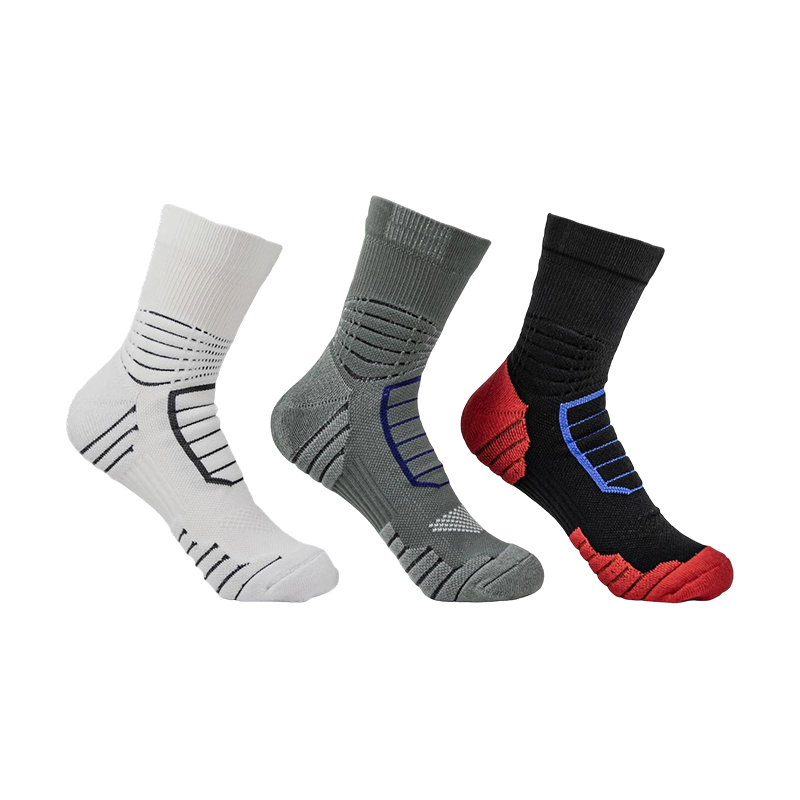
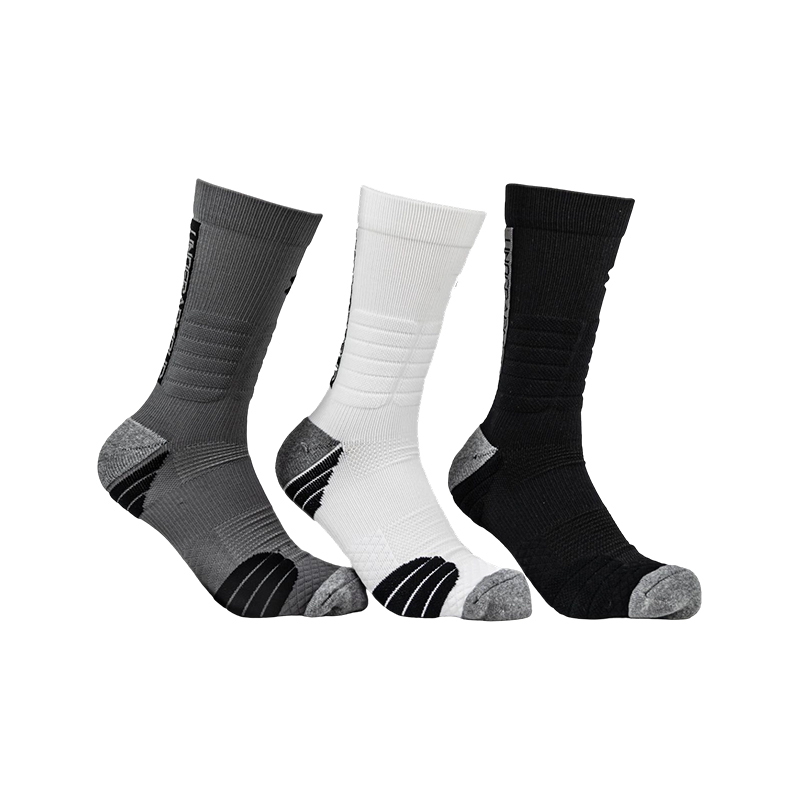
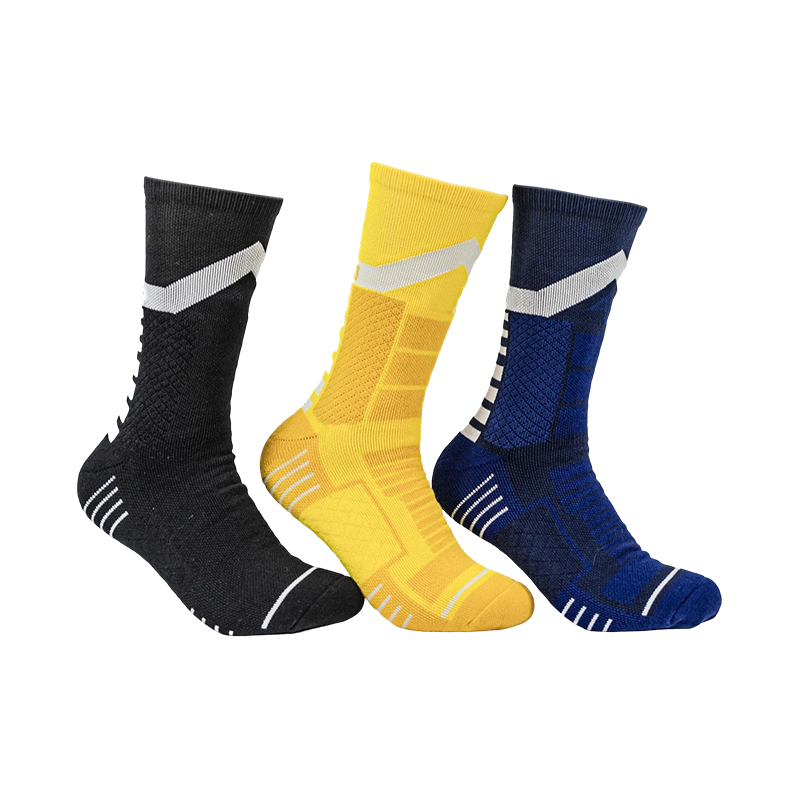
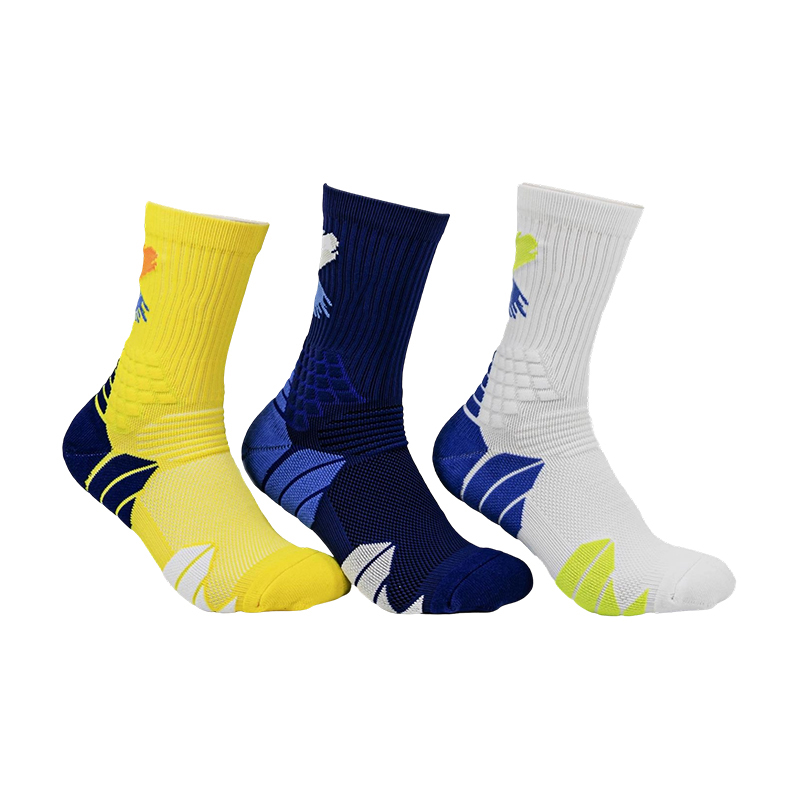
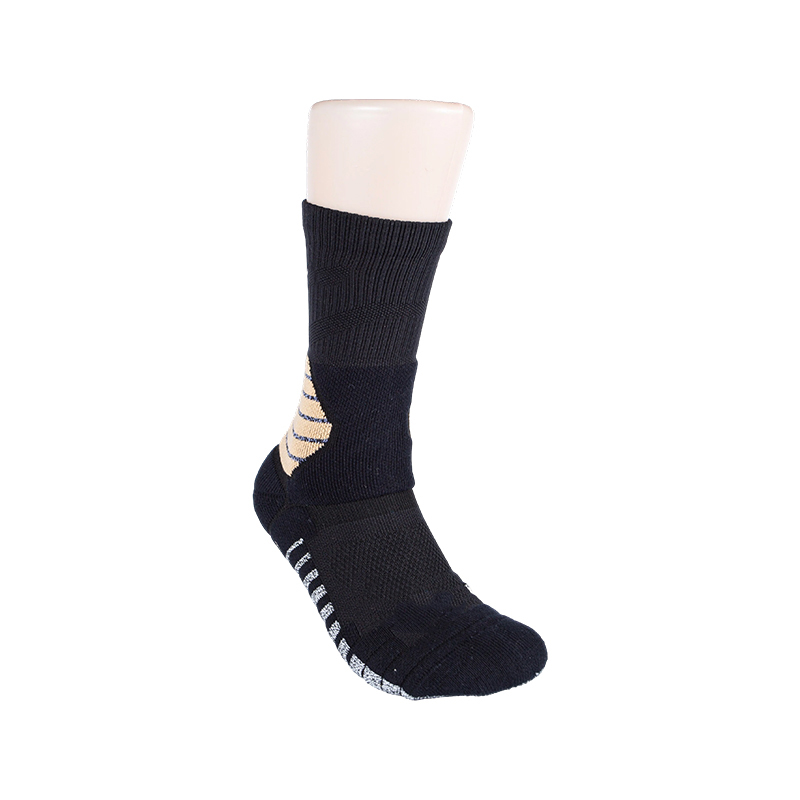
At Bonroy, the integration of compression engineering into Basketball Compression Socks is guided by the same principle that shapes all of our designs: clothing should move with the body, not against it. Compression zones are mapped to anatomical stress points — the arch, the Achilles tendon insertion, and the metatarsal heads — where load concentrates most during play.
The performance profile of a basketball sock is largely determined by its yarn composition and knitting architecture. High-quality men's performance socks typically combine synthetic fibers — nylon, polyester, or spandex — with natural fibers like cotton or wool to balance moisture management, structural integrity, and skin comfort.
Key construction considerations include:
Fabric weight and gauge also vary by intended use: lighter-gauge constructions favor speed and court feel, while mid-weight options prioritize cushioning and ankle support for players who contest the paint.
| Fiber Type | Primary Benefit | Common Use in Basketball Socks |
|---|---|---|
| Nylon | Abrasion resistance, durability | High-wear zones (heel, toe) |
| Polyester | Moisture wicking, shape retention | Main body construction |
| Spandex / Elastane | Stretch, compression, fit recovery | Arch bands, cuff, compression zones |
| Cotton blend | Softness, breathability | Footbed lining, skin-contact layers |
Ankle injuries — particularly lateral sprains — are among the most common basketball injuries at every level of play. While footwear and training protocols carry the most weight in ankle injury prevention, properly engineered Men's Basketball Socks contribute meaningfully to joint stability through several mechanisms.
Proprioceptive feedback is the most clinically supported benefit: compression against the ankle complex enhances sensory input to the neuromuscular system, improving the body's ability to detect and react to unstable ankle positions before a sprain cascade begins. Studies examining compression garments in ankle-dominant sports have found measurable improvements in balance and reactive stabilization under compression.
What socks cannot replace is structural bracing or the support provided by high-top shoe uppers for players with existing ligament laxity. Socks function best as a complement to these interventions — enhancing sensory awareness and reducing internal shoe movement — rather than as standalone protective equipment.
Heel-lock construction also plays a role here. A sock that shifts rearward during play changes the alignment of the heel relative to the shoe counter, altering load distribution at the subtalar joint. Secure heel cups and strategic silicone grip strips are design solutions that keep the sock positioned correctly throughout the duration of a game.
Basketball socks are typically available in three lengths — crew, mid-calf, and over-the-calf — each serving different functional and stylistic purposes. Choosing the right length involves weighing protection, compression coverage, and personal preference within the context of how you play.
Sizing accuracy is non-negotiable in compression socks: an undersized sock applies excess pressure that restricts circulation, while an oversized sock loses structural contact and compression function. Fit should be assessed with the foot in a neutral standing position — the sock should feel snug but never constrictive, with no bunching at the heel or toe box.
This attention to detail in fit and function reflects what we at Bonroy consider foundational: that clothing should be designed around the actual human using it, accounting for the range of movement, stress, and sensation they will experience. A well-fitted performance sock is not an afterthought — it is the first point of contact between the athlete and the court.




 English
 中文简体
中文简体 Español