Aug 24, 2026
Content
Two kilometers into a training run, a new pair of socks begins to fail. The seam presses into the toes. The heel slips toward the arch. The fabric under the foot bunches with every stride, and by the final stretch a hot spot is already forming on the inside of the big toe. This is the most common way runners reject a product, and it rarely has anything to do with how soft the yarn feels in the hand.
Comfortable running socks are the result of decisions, not accidents. Fiber composition, knit density, cushioning placement, fit geometry, and seam finishing determine whether a sock disappears from awareness during a run or turns it into a frustrating experience. For runners, understanding these factors makes choosing easier. For buyers, getting them right on a specification sheet determines whether a private-label running sock program succeeds.
This guide explains what actually makes a running sock comfortable, how to evaluate materials and construction, and what to verify before placing a bulk order.
Comfort in a running sock comes down to four factors:
Branding, packaging, and price come into the conversation later. These four should be settled first.
A sock that feels plush when dry can be miserable during a run if it holds sweat against the skin. Cotton does exactly that: it absorbs moisture, stays wet, and increases friction with every stride. Over a 10 km distance, that friction produces hot spots and eventually blisters.
Running socks designed for comfort move moisture away from the skin instead of trapping it. Synthetic filaments such as polyester transport sweat to the outer surface, where it can evaporate. Merino wool works differently: it takes in moisture vapor and releases it gradually, keeping the skin dry even in cold weather.
A comfortable running sock fits snugly through the heel and the arch, with no loose fabric at the toes and no elastic pressure across the instep. A shaped heel pocket and a gusseted heel help the sock follow the curve of the foot, which prevents rotation inside the shoe. A sock that rotates is a sock that bunches, and a sock that bunches is a blister risk.
Sizing matters as much as shape. A sock that is too large folds into ridges. A sock that is too small restricts the natural splay of the foot on impact. The right length matches the shoe size exactly, with the heel pocket positioned where the actual heel sits, not somewhere up near the Achilles.
The toe seam is the most common source of irritation in running socks. A thick seam, even a well-placed one, becomes noticeable on longer runs. Seamless toe closures loop the fabric closed at the end of the knit without producing a visible ridge. It is a small detail on the spec sheet, but for high-mileage runners it often decides whether the sock gets reordered.
The yarn composition is the starting point, but no single fiber does everything. Most running socks blend synthetic and natural fibers, with each component contributing a specific function.
Merino wool is a strong choice for running socks because it handles temperature and moisture at the same time. It keeps the foot warm in cold months and still performs in moderate conditions. The structural weakness of pure wool is abrasion resistance, which is why commercial running socks blend it with nylon and elastane.
A typical composition for a versatile running sock is 40 to 60 percent merino wool, 30 to 40 percent nylon, and 5 to 10 percent elastane. Wool manages insulation and moisture, nylon carries the wear, and elastane keeps the sock in place inside the shoe. A supplier that can adjust these ratios makes it possible to tune the sock for hot-weather, cold-weather, or all-season use.
Polyester-based socks are lighter and dry faster than wool, which makes them practical for warm-weather runs and high-output sessions where sweat volume is high. The trade-off is odor control: synthetic fibers tend to retain odor more quickly than wool, which is why many suppliers add antibacterial finishes or silver-treated yarns to keep the sock fresh longer.
Nylon is usually present in smaller percentages but does important work. It adds abrasion resistance, especially in the heel and toe zones. A sock with reinforced heel and toe sections outlasts a uniform-cushion sock, which matters for buyers who want repeat orders without quality complaints.
Cotton is comfortable in low-activity settings and uncomfortable on the run. Its absorbency becomes the problem: wet cotton sits against the skin, removes heat quickly, and creates exactly the kind of friction that leads to blisters. Even a 20 percent cotton content changes the behavior of an otherwise technical sock. When reviewing a spec sheet, check the full composition rather than the product description.
| Fiber | Moisture Management | Durability | Role in a Blend |
|---|---|---|---|
| Merino wool | Excellent | Good when blended | Warmth and odor resistance |
| Polyester | Good to excellent | Good | Moisture transport and quick drying |
| Nylon | Good | Excellent | Abrasion resistance in heel and toe |
| Cotton | Poor | Good | Usually avoided in performance socks |
Cushioning in quality running socks is rarely uniform. The useful approach is zoned: a denser loop under the heel and the ball of the foot, with thinner fabric over the instep to keep the sock light and breathable. This protects the impact zones without creating excessive bulk inside the shoe.
Light cushioning suits track work, speed sessions, and warm-weather road running. Medium cushioning is the most versatile default and works for daily training. Heavy cushioning supports long-distance miles but reduces ground feel and requires a shoe with enough internal volume. Buyers should match the cushioning level to the intended use of the sock, not to a single best-selling sample.
Sock height affects both protection and preference. No-show and low-cut styles fit low-profile running shoes neatly but leave the Achilles and the ankle collar exposed to friction. Crew and mid-crew socks guard the Achilles, keep trail debris out, and suit cooler conditions by providing a bit of coverage. Many runners rotate both, and a product line that includes several heights has a clear advantage with retailers.
A modest amount of compression through the arch reduces foot strain and keeps the sock in position during the run. A running sock also needs a cuff that holds without constriction. If the cuff loses tension after a few washes, the sock will slide, and the fit will fall apart even though the yarn is intact. Check elastane content and test cuff recovery when evaluating samples.
A specification sheet describes the product, but only a wear test tells the real story. Ask for samples from more than one production batch and run them through a practical cycle:
This simple protocol filters out the products that look right in a photo and fail in daily use.
Small differences in yarn weight and knit density have a large effect on both price and performance. A sock that is a few grams heavier shifts the cost per pair noticeably across a large order, and a cuff with insufficient elastane will lose its grip after repeated washes. Work with a supplier that provides technical data sheets and holds consistent dimensions across repeat orders.
For buyers building a private-label running sock program, the fastest way to shorten the evaluation cycle is to work with a supplier that organizes its range by intended use. The running sock collection is structured this way, so cushioning level and height can be matched directly to the customer profile you are targeting.
For daily road running and longer training blocks, men's cushioned running crew socks provide the protection most runners expect from a standard performance sock. The zoned cushioning under the heel and forefoot handles steady road miles without adding unnecessary bulk.
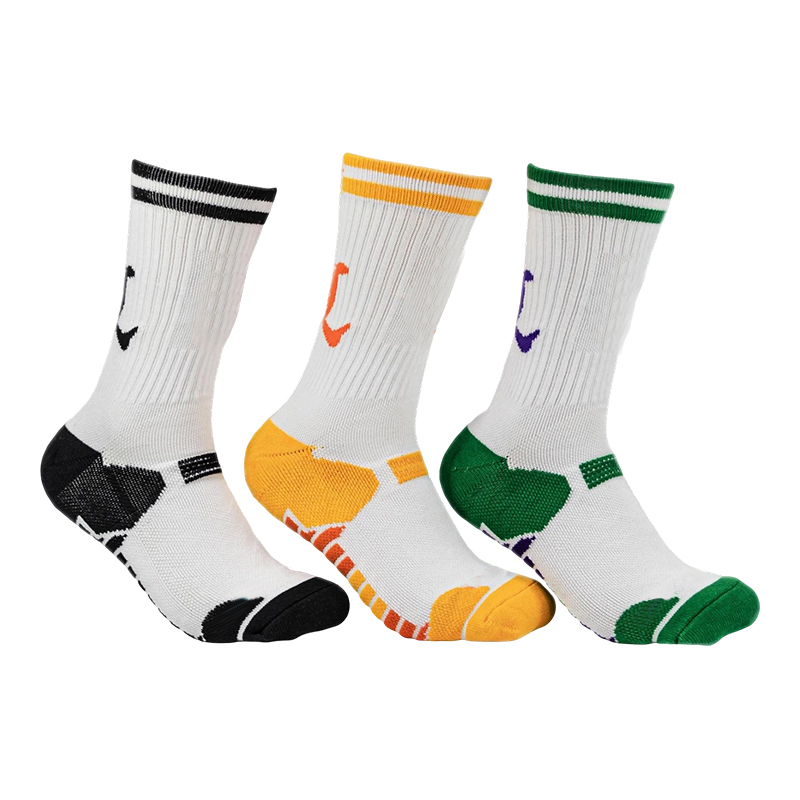 Custom ODM/OEM Men's Running Crew Socks Manufacturers, FactoryHaining City Bonroy Trading Co., Ltd. Is China Custom ODM/OEM Men's Running Crew Socks Manufacturers, Factory, These Men's Running Socks ...View Product →
When breathability matters more than coverage, men's low-cut running socks are a better fit for warm-weather programs. A lighter structure keeps the foot cool, while a secure heel and arch band continue to hold the sock in position.
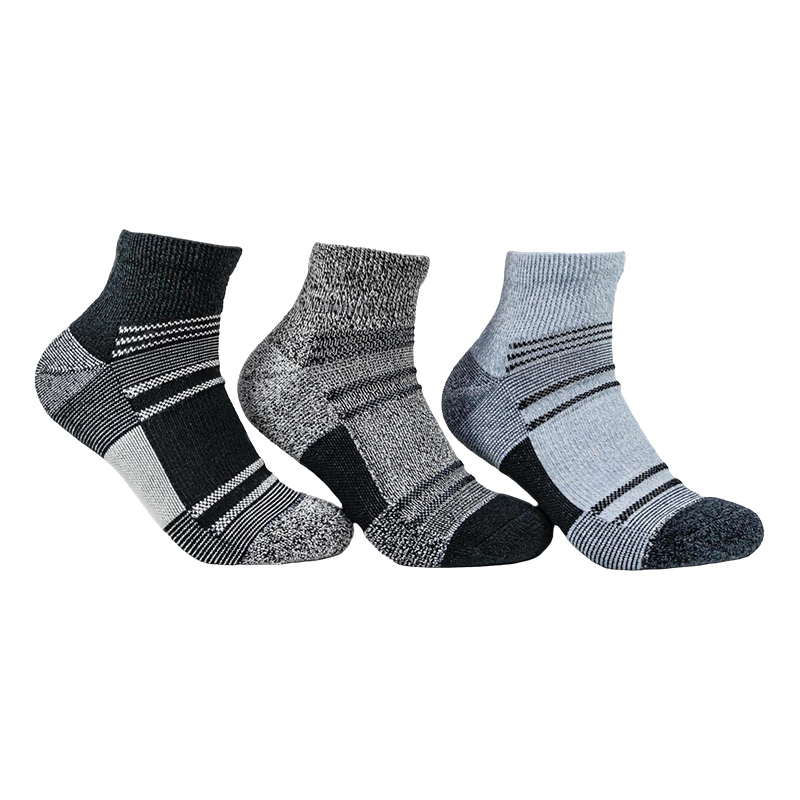 Custom ODM/OEM Men's Running Low Cut Socks Manufacturers, FactoryHaining City Bonroy Trading Co., Ltd. Is China Custom ODM/OEM Men's Running Low Cut Socks Manufacturers, Factory, These men's running ank...View Product →
For retailers that want a single SKU spanning multiple sports, unisex sports socks offer a practical middle ground between performance features and everyday comfort.
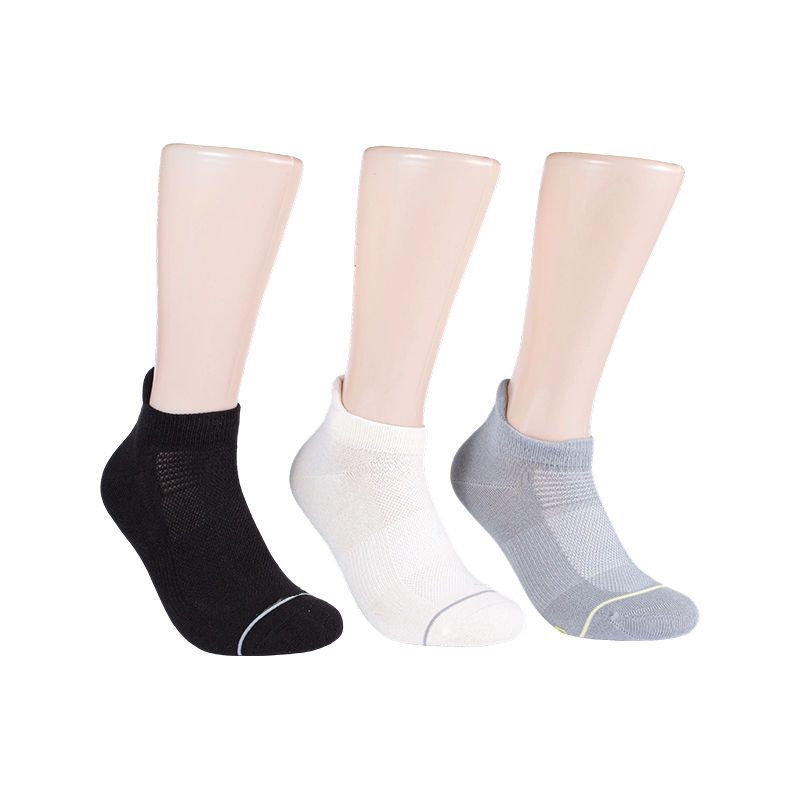 Custom ODM/OEM Unisex sports socks Manufacturers, FactoryHaining City Bonroy Trading Co., Ltd. Is China Custom ODM/OEM Unisex sports socks Manufacturers, Factory, This unisex sports sock is avai...View Product →
Two reference resources are useful before finalizing your specification. The first covers the technical details behind women's running ankle sock specifications, including composition, cushioning, and supplier expectations. The second is a broader sports sock material and durability guide that walks through yarn choices, reinforcement zones, and customization options for team and retail buyers.
Comfortable running socks are not the easiest category in the industry, and that is exactly why they reward attention. The difference between a mediocre product and one that runners reorder comes down to fibers, fit, cushioning placement, and seams. Buyers who verify these factors through samples and written specifications are the ones who end up with a line that retailers trust and runners remember.




 English
 中文简体
中文简体 Español