Sep 03, 2026
Content
At 7:40 on a Tuesday morning, most dress sock problems have already happened. A man laces up his shoes, feels the thin cotton bunch at the heel, and accepts that by the 11 a.m. meeting his feet will be damp. His colleague, who sources socks for a retail line, hears the same complaints in a different form: "they slip," "they make my feet sweat," "holes in the heel after a few washes."
The conclusion from both angles is the same: a dress sock no longer has to be the weakest part of a workday outfit. A sports dress sock keeps the clean, professional surface of a business sock while borrowing the moisture management, cushioning, and support that athletic socks have perfected. That combination is exactly what the category promises, and it is worth understanding at the fiber level before you buy a single pair or a full production run.
A regular dress sock is usually a thin knit in cotton or a cotton-nylon mix. It looks fine under a trouser leg, but it absorbs moisture quickly, offers little impact protection, and loses its shape after repeated washing. A sports dress sock changes the priorities without changing the finished look: the outer face remains smooth and fine gauged, while the inside and the leg area are built like a running sock.
Not every sports dress sock needs all five features. A mercerized cotton model with a smooth face suits warmer climates and lighter footwear; a terry-lined version suits cold mornings and leather boots. The sport label refers to engineering, not appearance. A well-made sports dress sock is no thicker at the ankle than a conventional dress sock, because the extra material sits where the foot needs it and the shoe fit stays unchanged. If you are comparing suppliers, our guide to sports sock materials, durability, and customization explains how each yarn choice affects wear and cost.
| Feature | Standard dress sock | Sports dress sock |
|---|---|---|
| Moisture control | Low; cotton holds sweat | High; wool and synthetics wick moisture |
| Cushioning | Minimal flat knit | Terry padding at heel and forefoot |
| Arch support | Rare | Common; light compression panel |
| Stay-up fit | Depends on a narrow elastic cuff | Longer leg plus elastic and spandex |
| Durability | Heel wear within months | Reinforced heel and toe; longer life |
| Best for | Short desk days | Commutes, travel, standing roles, events |
Buyers and wearers get better results when the sock is selected for a real routine, not for a generic category called "dress." Three everyday scenarios cover most of the demand, and each calls for a slightly different construction.
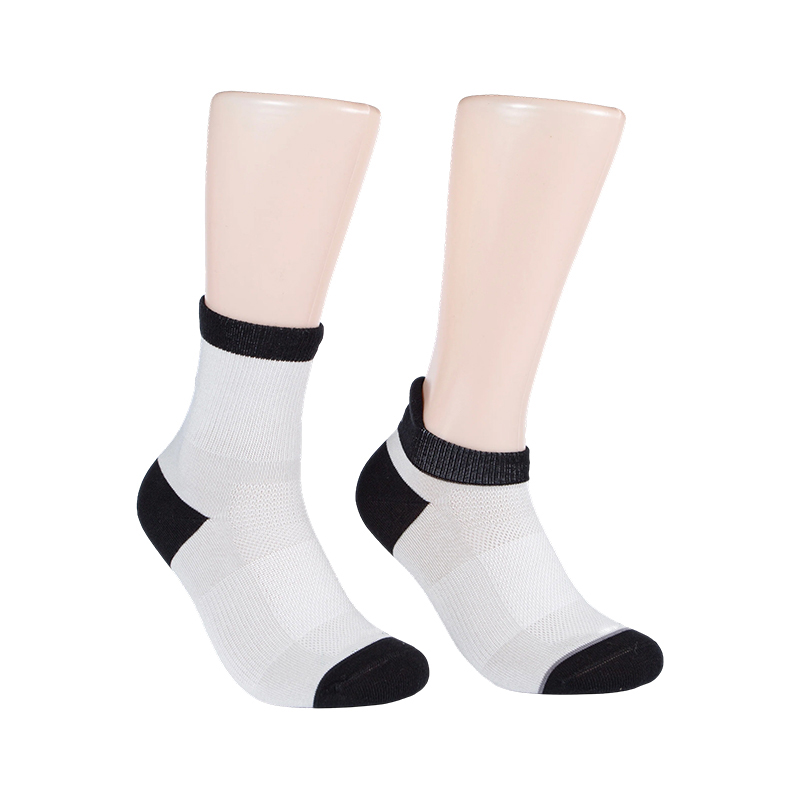
When the day includes public transport, walking between sites, or hours on a concrete floor, cushioning and support do the heavy lifting. A pair of side-striped arch support crew socks keeps its shape through a 12-hour day, and the arch panel reduces the dull ache most people feel after standing in dress shoes. Spec a reinforced heel if you expect the sock to survive a full season of weekly wear.
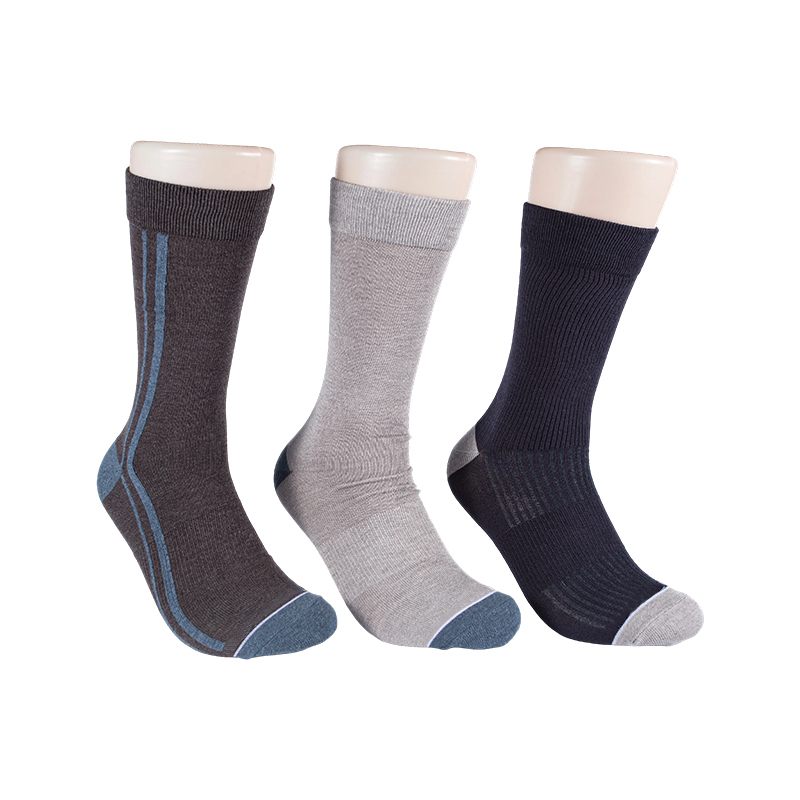 Custom ODM/OEM Side Stripes Arch Support Crew 3pp Socks Manufacturers, FactoryHaining City Bonroy Trading Co., Ltd. Is China Custom ODM/OEM Side Stripes Arch Support Crew 3pp Socks Manufacturers, Factory, These men’...View Product →
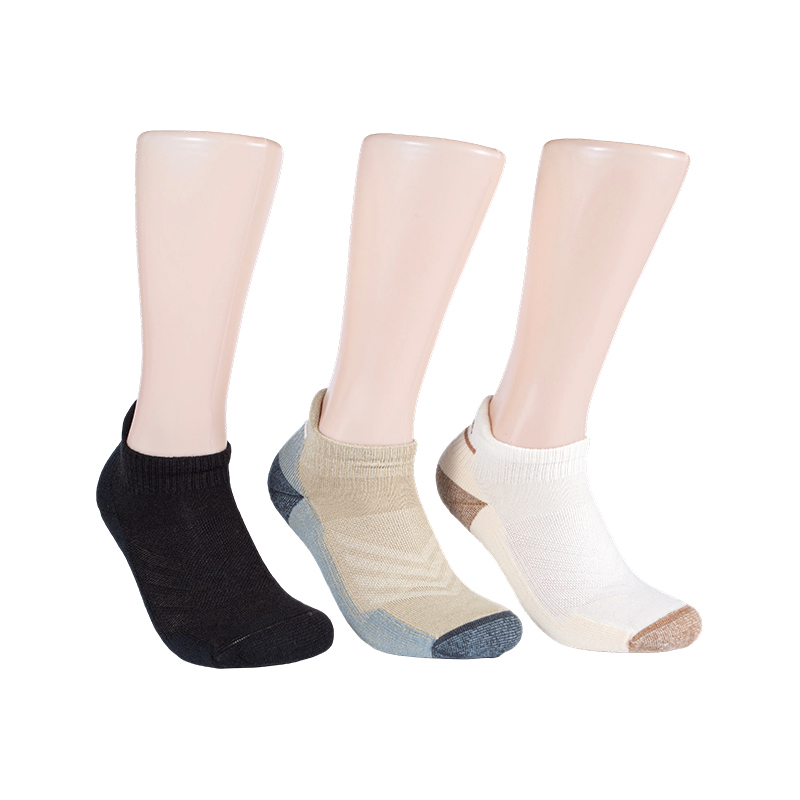
Heat and humidity test a dress sock faster than anything else. On a business trip, one pair may need to survive a ten-hour flight, a rinse in a hotel sink, and a second full day before laundry. Merino wool handles that routine better than plain cotton because it resists odor, dries quickly, and remains comfortable across a wide temperature range. For procurement teams building a travel-friendly dress line, men's merino wool socks are a proven starting point.
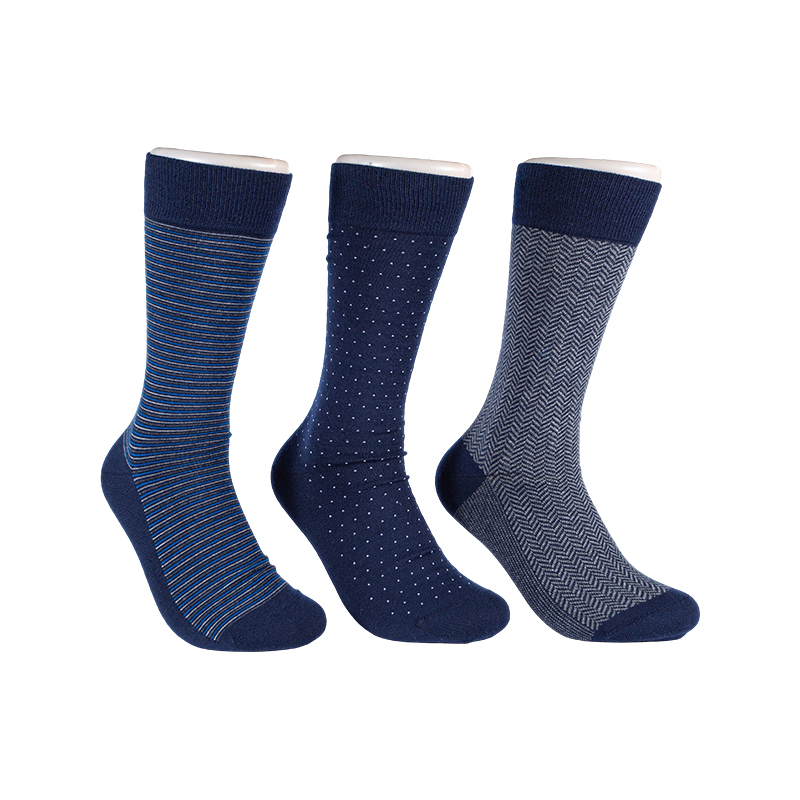 Custom ODM/OEM Men's Merino Wool Socks Manufacturers, FactoryHaining City Bonroy Trading Co., Ltd. Is China Custom ODM/OEM Men's Merino Wool Socks Manufacturers, Factory, Constructed with 200-needle...View Product →
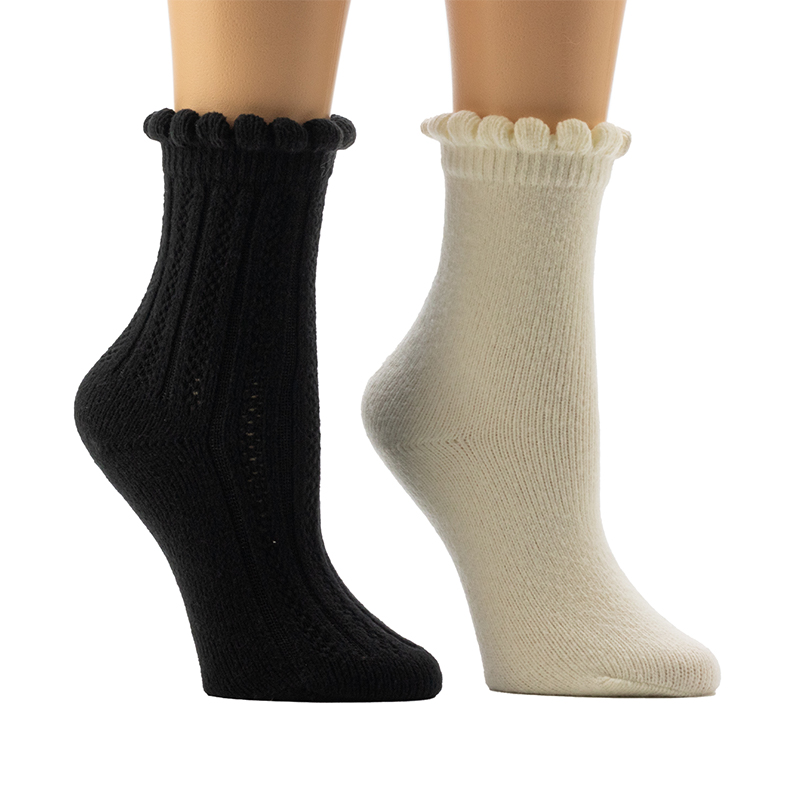
When a seated position exposes the calf, finish becomes part of the uniform. A true over-the-calf sock stays upright, so no bare skin appears when the wearer crosses a leg. A fine mercerized cotton surface gives the subtle sheen expected with a suit, while the underlying knit still supplies stretch and breathability. Men's business mid-calf dress socks are built for exactly this balance of presentation and comfort.
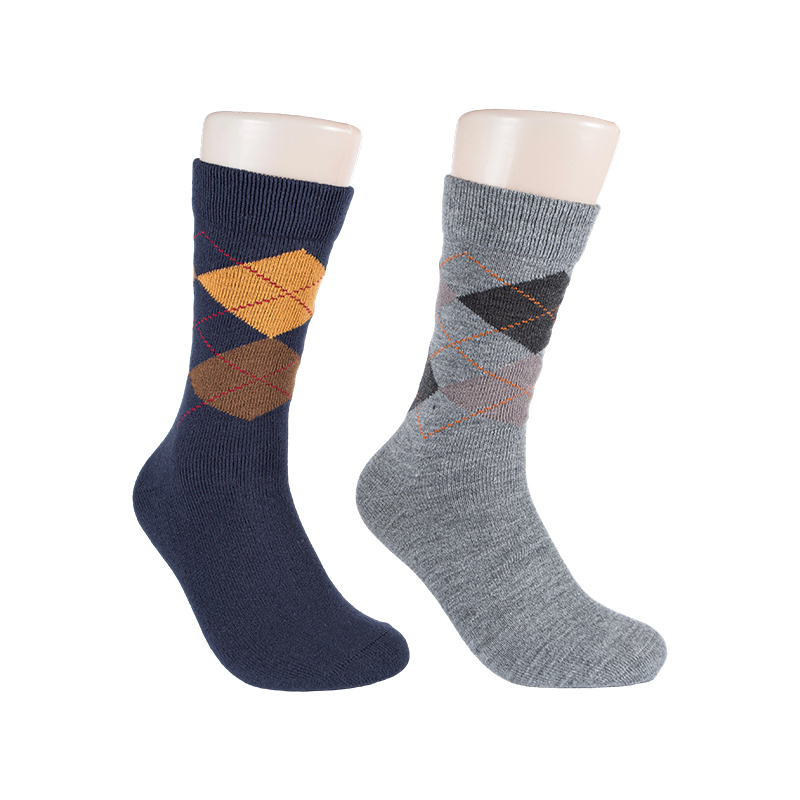 Custom ODM/OEM Men's Business Mid-calf Socks Manufacturers, FactoryHaining City Bonroy Trading Co., Ltd. Is China Custom ODM/OEM Men's Business Mid-calf Socks Manufacturers, Factory, These men’s business ...View Product →
Retailers, uniform managers, and merchandise planners evaluate sports dress socks differently from an individual shopper. The criteria that matter at volume are measurable, and they should be written into the spec before sampling starts:
If this is your first sourcing project, reading the complete process analysis of how a high-quality sock is made will help you talk to factories in their own language, because knitting, linking, washing, and boarding each leave a mark on the final product.
For an own-brand line, practical tips on working with high-performance ODM/OEM sock suppliers cover the common pitfalls in labeling, packaging, and quality control, so the samples match the commercial order when it arrives.
Sustainability is also entering the conversation. Recycled nylon and responsibly sourced wool are increasingly requested in corporate programs, and a supplier that can document these materials simplifies the buyer's own reporting.
A sports dress sock earns its place in a wardrobe or a retail program because it removes the small daily failures people tolerate from ordinary dress socks: damp feet before lunch, a slipping cuff, early holes at the heel. For the wearer, that means fewer distractions. For a brand or a buyer, it means fewer returns and a stronger repeat order rate.
A safe specification for most projects is a mid-calf or over-the-calf sock with a smooth face, terry underfoot, arch support, and a moisture-managing blend of cotton or wool with nylon and spandex. Adjust the cushion level and yarn weight for the climate, and the same product works across seasons and markets.




 English
 中文简体
中文简体 Español