Crafting Comfort, Defining Freedom
Latest Updates
Sport Socks Industry knowledge
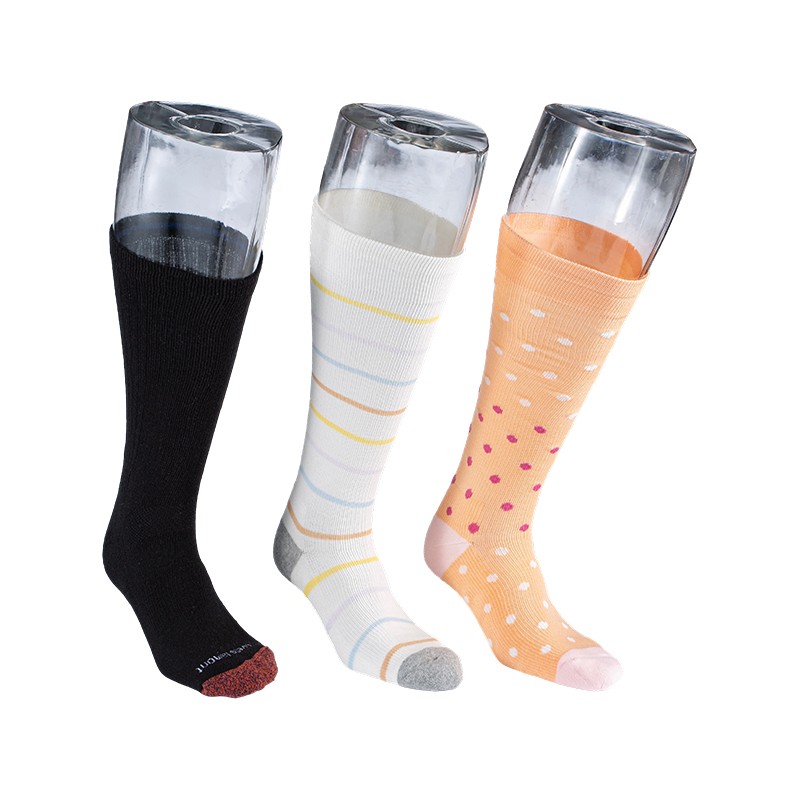
Moisture-wicking materials are important in Sports Dress Socks because they help move sweat away from the skin and toward the outer surface of the fabric, where it can evaporate more efficiently. This function is especially valuable for people who want the polished appearance of dress socks while still needing the performance benefits of athletic socks.
Unlike ordinary dress socks that may focus mainly on appearance, sports dress socks are designed to support comfort during long workdays, commuting, business travel, light exercise, walking, or standing for extended periods. Moisture control is one of the key features that helps keep feet dry, fresh, and comfortable throughout the day.
Moisture-wicking fabrics are engineered with fibers and fabric structures that pull perspiration away from the skin. Instead of allowing sweat to stay trapped between the foot and the sock, these materials help spread moisture across a larger surface area so it can dry faster.
| Parameter | Moisture-Wicking Sports Dress Socks | Regular Dress Socks |
|---|---|---|
| Moisture Management | Designed to move sweat away from the skin and support faster drying. | May absorb moisture but often dries more slowly, depending on the material. |
| Comfort During Long Wear | Helps feet feel drier and more comfortable during extended use. | Can feel damp or sticky after hours of walking or standing. |
| Friction Control | Reduces moisture-related rubbing inside shoes. | Higher moisture retention may increase friction. |
| Odor Resistance Support | Helps reduce the damp environment where odor-causing bacteria thrive. | May hold sweat longer, which can contribute to odor buildup. |
| Drying Speed | Typically faster due to engineered fibers or blended yarns. | Often slower, especially if made from moisture-retaining materials. |
| Best Use Cases | Workdays, travel, commuting, light sports, business-casual settings, and active office routines. | Formal occasions or short-duration wear where performance comfort is less important. |
The performance of a sock depends heavily on its fiber composition and knitting structure. Many sports dress socks use blended materials to balance breathability, stretch, durability, and a refined appearance.
| Material Type | Main Advantage | Considerations |
|---|---|---|
| Polyester | Lightweight, durable, quick-drying, and effective at moving moisture. | Often blended with other fibers for a softer hand feel. |
| Nylon | Strong, abrasion-resistant, and supportive for high-wear areas. | Works best when combined with breathable construction. |
| Merino Wool | Naturally manages moisture, helps regulate temperature, and feels soft. | May require more careful washing depending on the blend. |
| Bamboo-Derived Viscose | Soft, smooth, and comfortable against the skin. | Usually needs blending with elastic or synthetic fibers for better durability and shape retention. |
| Spandex or Elastane | Provides stretch, fit, and helps the sock stay in place. | Used in smaller percentages because its main role is elasticity, not moisture control. |
Dress shoes are often less ventilated than athletic shoes. This can make the inside of the shoe warmer and more humid, especially during walking, commuting, or standing for long periods. In this environment, moisture-wicking socks become especially useful.
When choosing sports dress socks with moisture-wicking performance, it is helpful to look beyond the material name alone. Construction details can strongly affect comfort and performance.
Proper care helps preserve the performance properties of moisture-wicking socks. Even high-quality socks can lose effectiveness if washed or dried incorrectly.
Moisture-wicking materials are important in sports dress socks because they directly improve dryness, comfort, odor control, and wearability. For anyone who spends long hours in dress shoes or needs socks that combine professional style with active performance, moisture-wicking construction is a practical and valuable feature.
The best sports dress socks are not just about looking formal; they are about helping your feet stay dry, comfortable, and supported throughout the day.
Yes. Moisture-wicking sports dress socks are very suitable for everyday office wear because they offer a dress-appropriate appearance while helping manage sweat and comfort during long hours in shoes.
They can help reduce odor by keeping feet drier, but they may not eliminate odor completely. Foot hygiene, shoe ventilation, and regular sock washing also play important roles in controlling odor.
Not always. Thickness alone does not determine moisture-wicking performance. A thinner sock with well-designed moisture-wicking fibers and breathable knitting may perform better than a thick sock that traps sweat.
Custom Sports Team Socks are more than a uniform accessory. For athletes, socks directly affect comfort, stability, moisture control, impact protection, and team identity. Since feet experience repeated friction, pressure, sweat, and movement during training or competition, the right sock design can help athletes stay focused and perform with better confidence.
Compared with standard socks, custom sports team socks can be designed around the needs of a specific sport, team, playing surface, climate, and athlete preference. This makes them especially valuable for schools, clubs, leagues, and professional training groups that want both functional performance and a unified appearance.
A well-designed custom sock improves comfort by matching the athlete's foot shape, shoe type, and activity level. Poorly fitted socks can bunch inside the shoe, slide during quick movements, or create pressure points. Custom sports socks can reduce these issues through targeted construction.
Sweat buildup is one of the most common causes of discomfort in sports. When feet remain damp, athletes may experience blisters, odor, and a heavy feeling inside the shoe. Custom sports team socks can use moisture-wicking yarns and breathable structures to help move sweat away from the skin.
Blisters often occur when moisture, heat, and repeated rubbing combine inside the shoe. Custom team socks can help reduce friction by using better yarn blends, proper thickness, and reinforced contact zones. This is especially important for sports with frequent starts, stops, pivots, or long-distance running.
Sports such as basketball, football, soccer, volleyball, and running place repeated impact on the feet and lower legs. Cushioning in the right areas helps absorb shock and can make movement feel more comfortable. Custom socks allow teams to choose the level of cushioning that fits their sport and footwear.
Athletes need stable foot positioning inside their shoes. A sock that slides or twists can affect balance and reaction time. Custom sports team socks can be engineered with compression zones, arch support, and secure cuffs to help the sock stay aligned with the foot.
Custom socks also improve the visual unity of a team. Matching colors, logos, numbers, or patterns create a complete uniform look and help strengthen team spirit. For schools, clubs, and leagues, custom socks can make athletes look more organized and professional on the field or court.
| Parameter | Standard Socks | Custom Sports Team Socks | Performance Benefit |
|---|---|---|---|
| Fit | General sizing, may slip or bunch | Can be designed with arch support, ribbed cuffs, and sport-specific length | Improves stability and reduces distractions during play |
| Moisture Control | Basic sweat absorption | Moisture-wicking yarns and breathable mesh zones available | Helps keep feet drier and more comfortable |
| Cushioning | Usually uniform or minimal padding | Targeted or full-foot cushioning based on sport needs | Reduces impact stress and improves comfort |
| Durability | May wear quickly in heel and toe areas | Reinforced heel, toe, and high-friction zones | Extends sock life under frequent training use |
| Friction Protection | Limited blister prevention | Smooth toe seams, secure fit, and anti-friction yarn options | Helps reduce rubbing and blister risk |
| Team Branding | No team-specific design | Custom colors, logos, patterns, numbers, or names | Builds team identity and professional appearance |
The right material blend depends on the sport, climate, comfort preference, and durability requirement. A balanced blend usually provides better performance than a single fiber.
| Material Option | Main Characteristics | Best For |
|---|---|---|
| Polyester Blend | Durable, quick-drying, good moisture management | High-intensity team sports and frequent training |
| Nylon Blend | Strong abrasion resistance and good elasticity | Sports with heavy foot movement and friction |
| Cotton Blend | Soft hand feel and everyday comfort | Light training, casual team wear, lower-intensity use |
| Spandex or Elastane | Stretch, shape retention, secure fit | Arch support, compression zones, and improved sock stability |
| Functional Yarn Options | May include odor-control, cooling, or enhanced wicking properties | Long games, hot weather, and repeated use |
To maximize comfort and performance, teams should choose socks based on practical playing conditions rather than appearance alone.
Custom sports team socks improve athlete comfort and performance by combining functional fit, moisture control, cushioning, support, durability, and team branding. When designed correctly, they help athletes stay comfortable during intense movement, reduce common foot problems such as rubbing and slipping, and contribute to a stronger team identity.
For teams that train and compete regularly, investing in custom socks is a practical way to improve both appearance and on-field experience. The best choice should always balance material quality, construction details, sport-specific demands, and visual design.
They should include moisture-wicking materials, arch support, reinforced heel and toe areas, secure cuffs, breathable zones, and proper cushioning. These features help reduce slipping, sweat buildup, friction, and fatigue during sports activities.
Not always. Thicker socks provide more cushioning and impact protection, but they may feel too warm or tight in some shoes. For high-impact sports, medium to thick cushioning can be useful. For speed-focused sports, lightweight socks with targeted cushioning may be better.
Custom socks can use team colors, logos, patterns, names, or numbers to create a unified look. This helps athletes feel connected, supports a professional appearance, and makes the entire uniform more coordinated during games and events.




 English
 中文简体
中文简体 Español