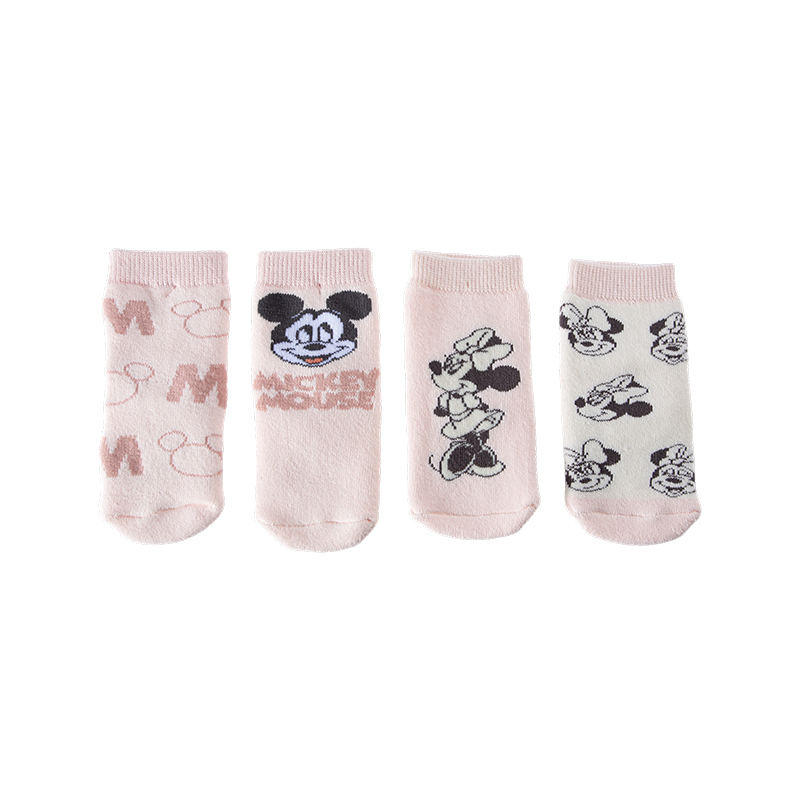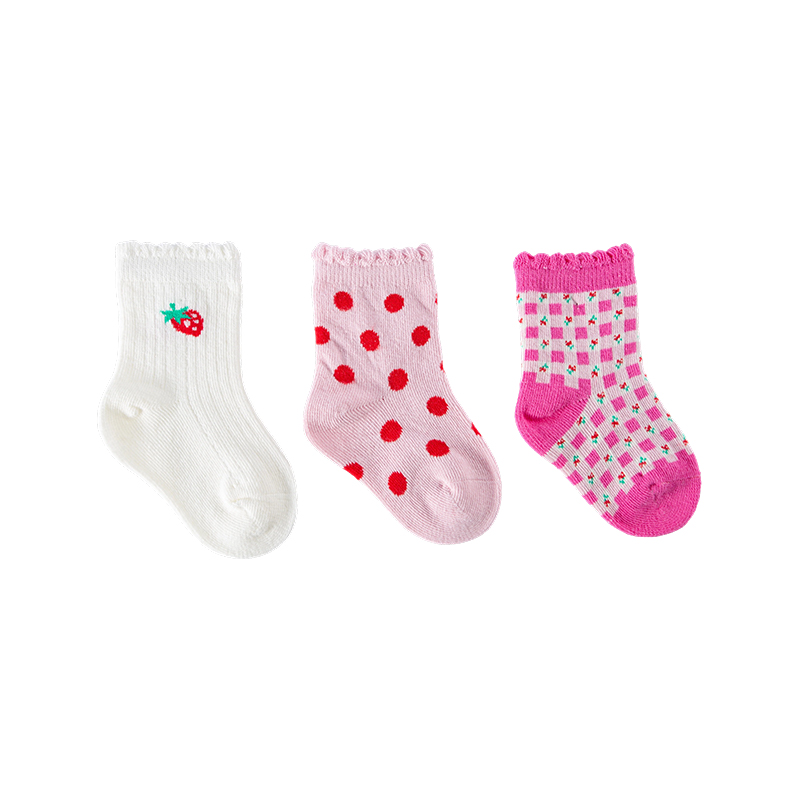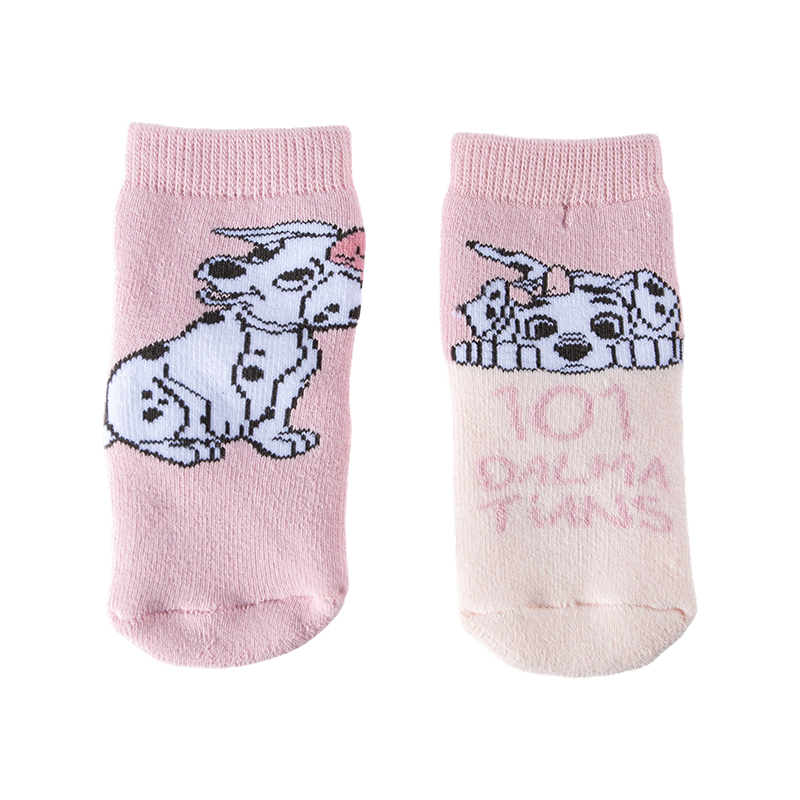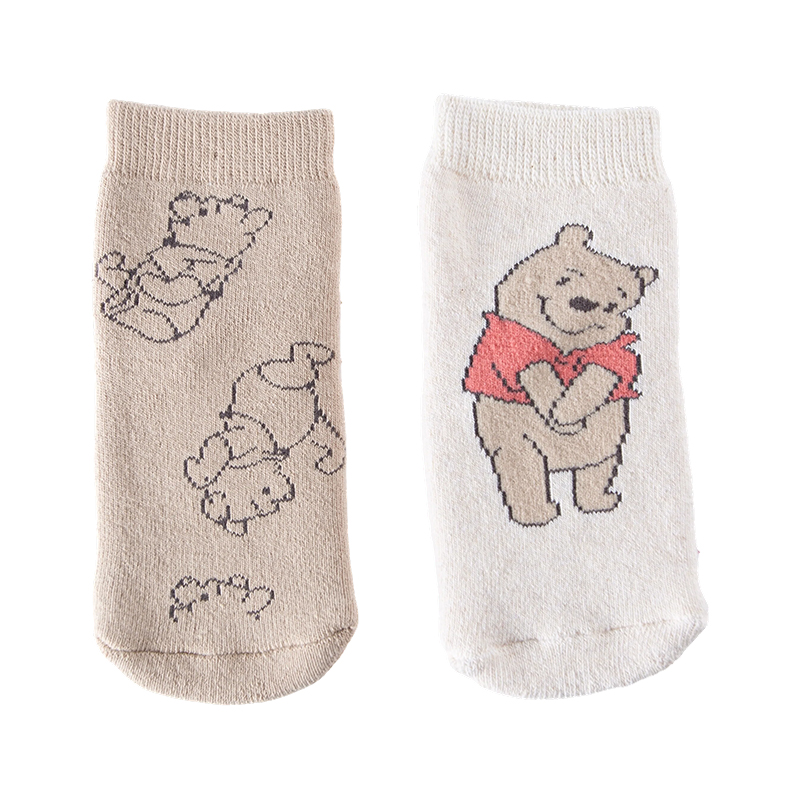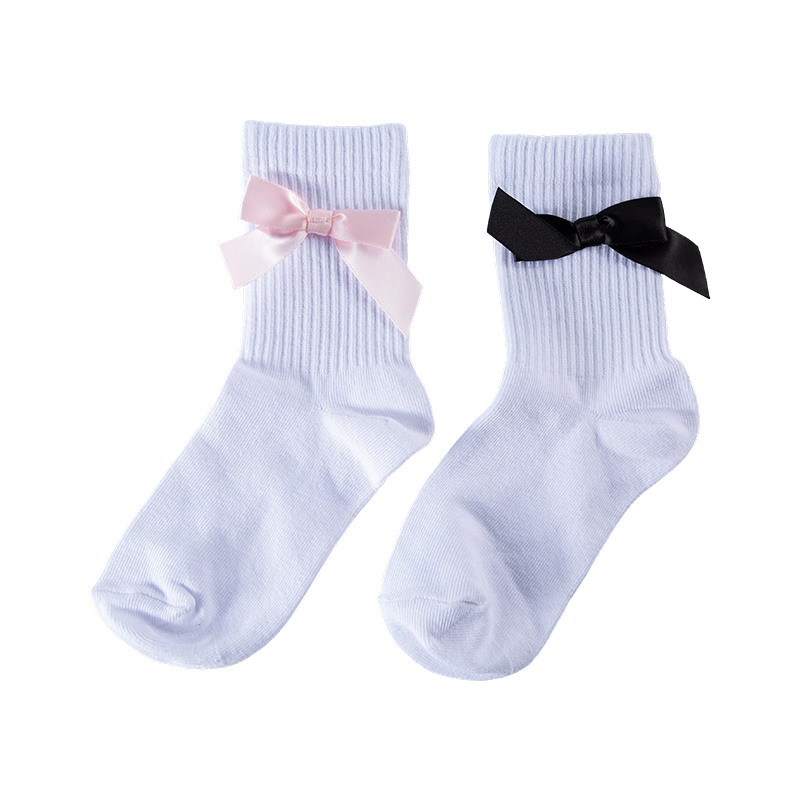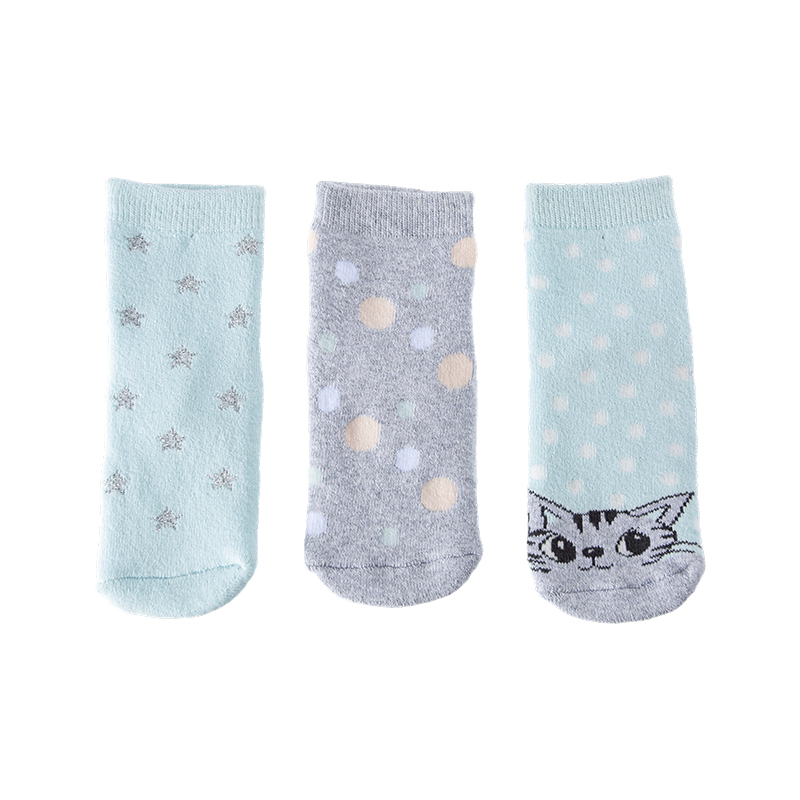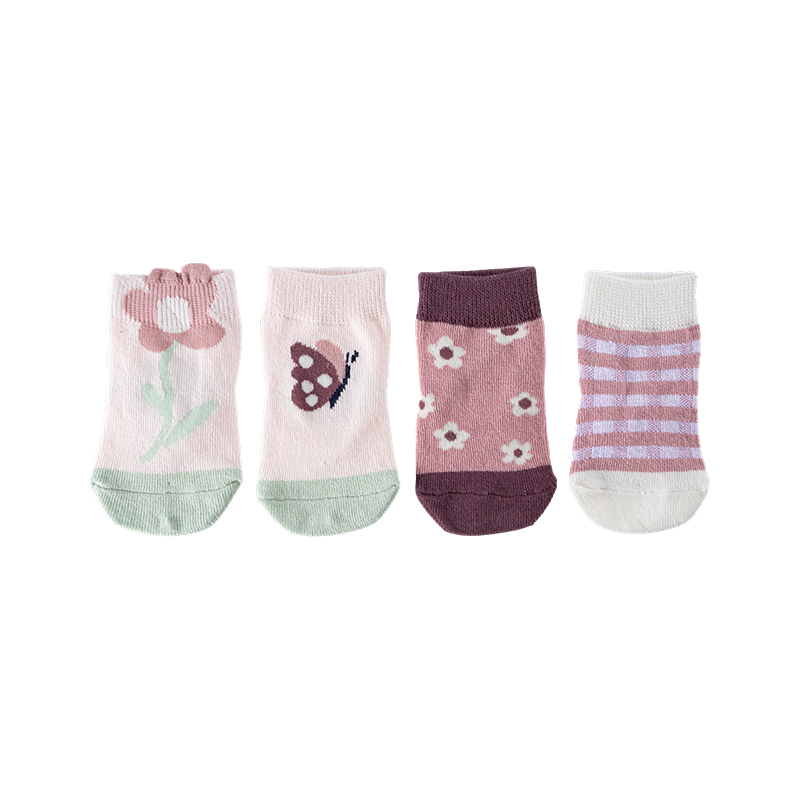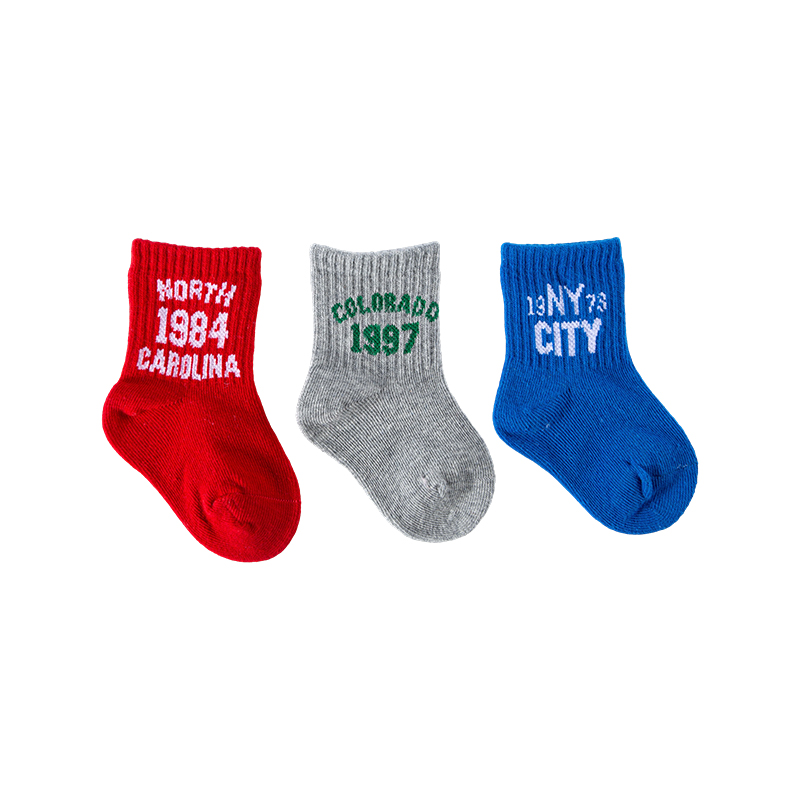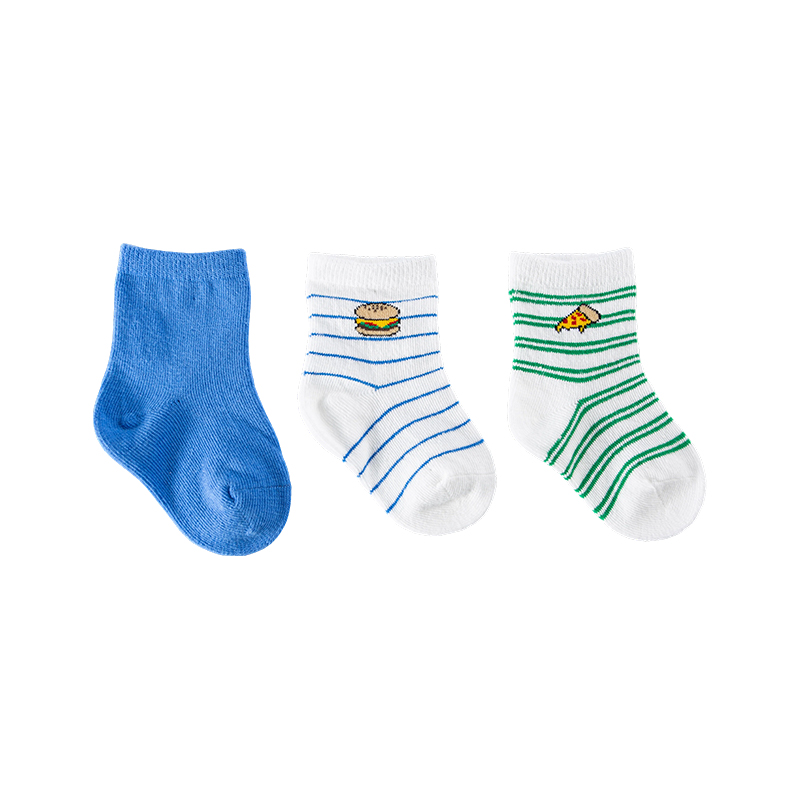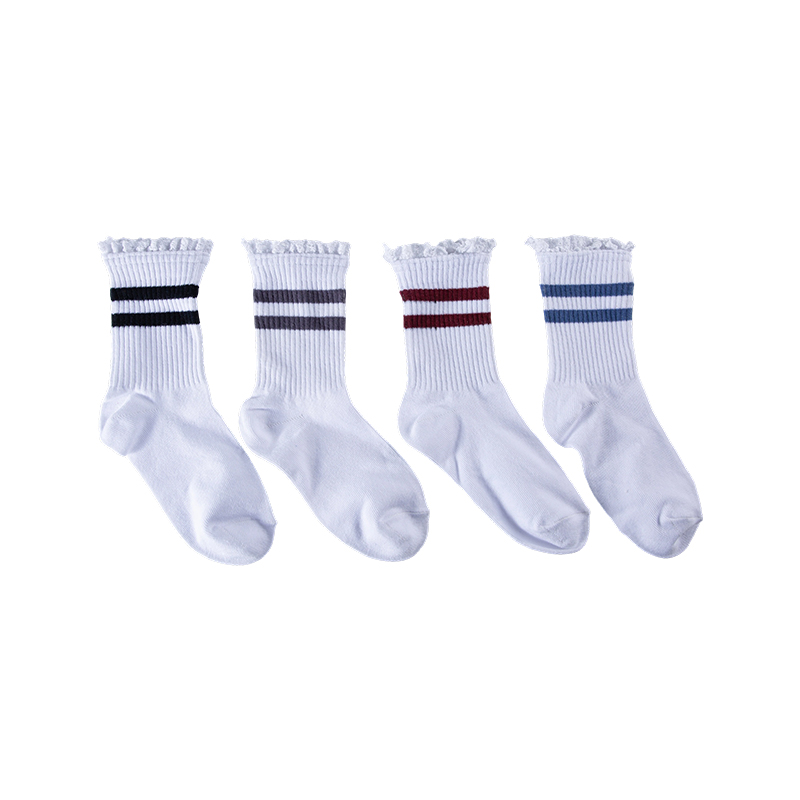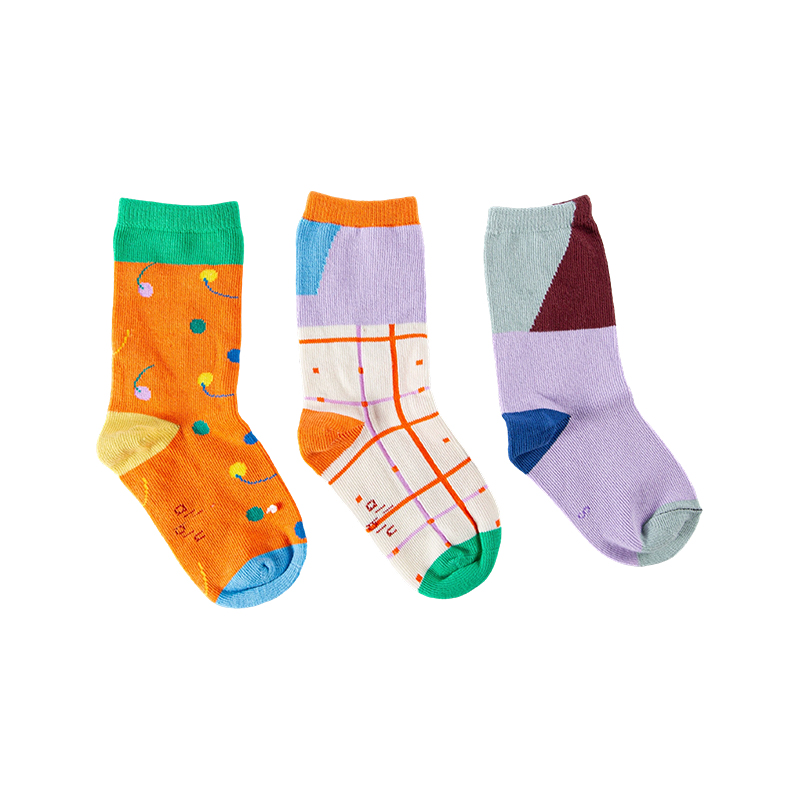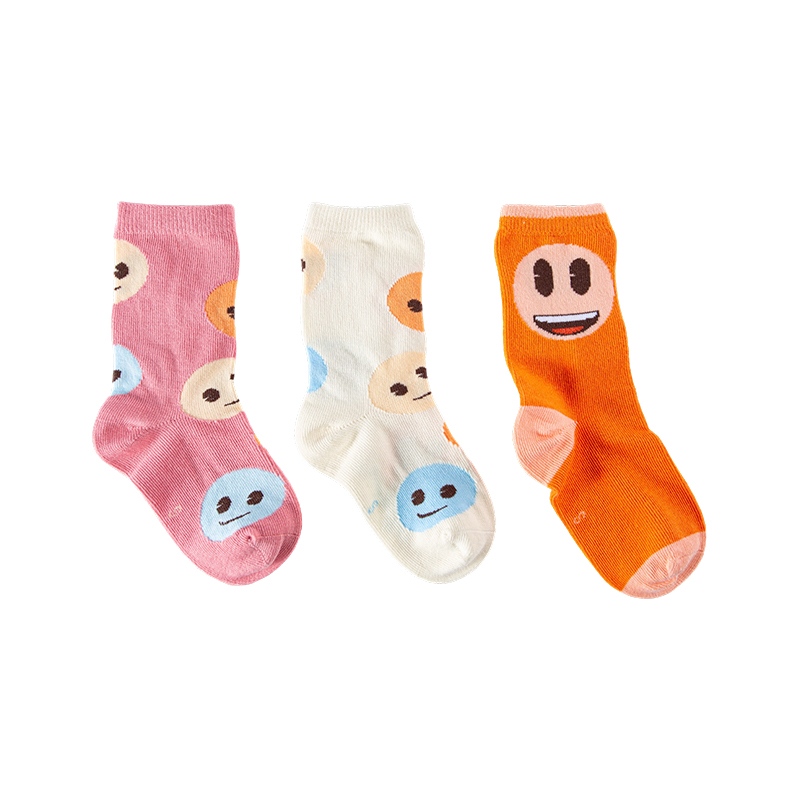
The Bonroy hosiery collection is engineered to support the physiological and environmental demands of diverse movement profiles. Our Performance & Athletic range—encompassing running, hiking, skiing, and court sports—utilizes moisture-management fibers and strategic reinforcement zones to manage friction and impact during high-intensity activity. The Compression line is constructed with graduated tension gradients to assist circulation, while our Yoga series incorporates high-friction tactile grips for surface stability.
For the domestic environment, the Home & Lounge selection focuses on thermal regulation and textile softness, featuring non-slip outsoles on slipper styles and gauged knits for recovery. Our Professional & Daily categories utilize high-thread-count cotton and fine-gauge stitching to ensure a consistent fit within formal and casual footwear. The collection is completed by Kids’ hosiery and tights, which prioritize skin-neutral materials and reinforced construction to withstand frequent wear. Every product reflects a commitment to structural integrity and precise anatomical fit, facilitating seamless transitions between performance, professional, and private settings.
Crafting Comfort, Defining Freedom

Latest Updates
Socks Industry knowledge
When it comes to producing high-quality Private Label Sock, two fundamental pillars define the final product: material selection and knitting techniques. Understanding how these elements interact is essential for brands, retailers, and manufacturers who want to deliver exceptional comfort, durability, and style. Below, we break down the key distinctions in depth.
The fiber composition of a sock directly impacts its feel, performance, moisture management, and longevity. Here is a detailed comparison of the most commonly used materials:
| Material | Key Properties | Best Use Case | Premium Level |
|---|---|---|---|
| Combed Cotton | Soft, breathable, hypoallergenic, durable | Everyday wear, casual socks | Mid-range to Premium |
| Merino Wool | Temperature-regulating, moisture-wicking, odor-resistant | Outdoor, sports, winter socks | High Premium |
| Bamboo Fiber | Ultra-soft, antibacterial, eco-friendly, moisture control | Sensitive skin, eco-conscious brands | Premium |
| Nylon/Polyamide | Adds elasticity, strength, and abrasion resistance | Blended into most premium socks for durability | Supportive blend material |
| Lycra/Spandex | Provides stretch, shape retention, compression | Athletic, compression, and performance socks | Essential performance additive |
| Cashmere | Extremely soft, lightweight, luxurious warmth | Luxury dress socks, gift collections | Ultra Premium |
| Modal | Silky smooth, highly breathable, color retention | Fashion-forward lifestyle socks | Premium |
A premium private label sock typically uses a carefully engineered fiber blend rather than a single material. For example, a high-performance athletic sock might combine 75% combed cotton + 20% nylon + 5% spandex, balancing softness, strength, and flexibility.
Beyond the fiber type, the quality of the yarn itself plays a critical role:
The knitting method determines the structure, texture, stretch, and functional zones of the sock. Here is a comparison of the most significant techniques:
| Knitting Technique | Description | Advantage | Typical Application |
|---|---|---|---|
| Circular Knitting (Seamless) | Knitted in a tube with no seams | Eliminates friction points, superior comfort | Everyday, athletic, luxury socks |
| Flat Knitting | Knitted flat then seamed | Easier to add complex patterns | Fashion and novelty socks |
| Terry Loop Knitting | Creates loops of yarn inside the sock | Extra cushioning and moisture absorption | Sports, hiking, work socks |
| Jacquard Knitting | Computer-controlled pattern integration | Highly detailed, multi-color designs without embroidery | Fashion socks, branded socks |
| Compression Knitting | Graduated pressure built into the knit structure | Promotes blood circulation, reduces fatigue | Medical, travel, athletic compression socks |
| Linked Toe Closure | Each stitch individually linked at the toe seam | Flat, invisible toe seam for maximum comfort | Premium dress socks, luxury collections |
| Hand-Loomed / Handlinked | Manual stitch-by-stitch toe closure | The smoothest possible finish; artisanal quality | Ultra-premium, bespoke sock lines |
Premium private label socks are not knitted uniformly — they are engineered with distinct zones, each serving a specific purpose:
After knitting, finishing processes further separate standard socks from premium ones:
| Parameter | Standard Sock | Premium Private Label Sock |
|---|---|---|
| Fiber Quality | Open-end spun, generic cotton | Ring-spun, combed cotton / Merino / Bamboo |
| Needle Gauge | 84–144 needles | 168–200+ needles |
| Toe Closure | Looped/overlock seam | Linked or hand-loomed flat seam |
| Functional Zones | Minimal or none | Heel, toe, arch, cushion, ventilation zones |
| Elastic Cuff | Basic rubber thread | Spandex-integrated ribbed structure |
| Finishing | Basic washing and packaging | Pre-boarding, mercerization, anti-pilling, softening |
| Pattern Technique | Simple stripe or solid color | Jacquard, intarsia, multi-color digital programming |
| Durability (wash cycles) | 50–80 washes | 150–300+ washes |
When building a private label sock line, the combination of superior materials and advanced knitting techniques translates directly into:
Investing in quality at the material and construction level is not simply a cost — it is a brand-building strategy that pays dividends through customer satisfaction and repeat purchases.
For everyday wear, the most recommended blend is 75–80% combed ring-spun cotton, 15–20% nylon, and 5% spandex. This combination delivers softness from the cotton, durability and structure from nylon, and stretch and shape retention from spandex. If eco-friendliness is a brand priority, substituting combed cotton with bamboo fiber provides additional antibacterial and moisture-wicking benefits without sacrificing comfort.
The hand-loomed (handlinked) toe closure is widely regarded as the gold standard for toe comfort. Unlike conventional overlock seams that create a raised ridge inside the sock, handlinking produces a virtually flat, smooth seam that eliminates friction against the toes entirely. For brands targeting luxury or sensitive-skin consumers, specifying this technique in your private label manufacturing brief is highly recommended. The linked toe method is also excellent and more scalable for larger production runs while still delivering a premium flat finish.
Needle gauge refers to the number of needles in the knitting machine cylinder, which directly determines the fineness of the fabric. A higher needle gauge (168–200+) produces a tighter, finer, and smoother fabric surface — ideal for dress socks, fashion socks, and detailed Jacquard patterns. A lower needle gauge (84–120) creates a thicker, coarser fabric suitable for work boots or heavy outdoor applications. For premium private label collections, a gauge of at least 168 needles is recommended to ensure both aesthetic refinement and comfortable wear.




 English
 中文简体
中文简体 Español