Crafting Comfort, Defining Freedom
Latest Updates
Cosy Home Socks Industry knowledge
The feet are disproportionately influential on perceived whole-body thermal comfort. Unlike the torso, which is well insulated by core muscle mass and retained body heat, the feet have a high surface-area-to-volume ratio and sit at the furthest point from the cardiovascular center — conditions that make them particularly vulnerable to heat loss and among the first body regions to feel cold in cool environments.
The physiological relationship goes further: warm feet promote peripheral vasodilation, which facilitates the redistribution of core body heat toward the extremities and is directly associated with the onset of sleep. Research from sleep science has consistently found that warming the feet accelerates sleep onset by supporting the drop in core body temperature that signals the brain to initiate sleep — making warm home socks a functionally meaningful part of an evening wind-down routine, not merely a comfort preference.
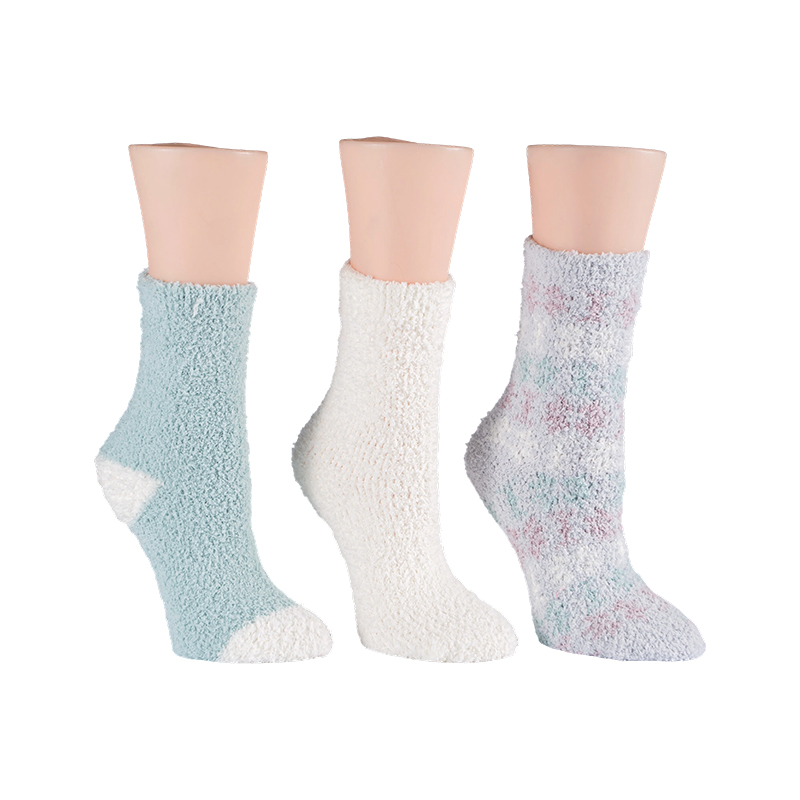
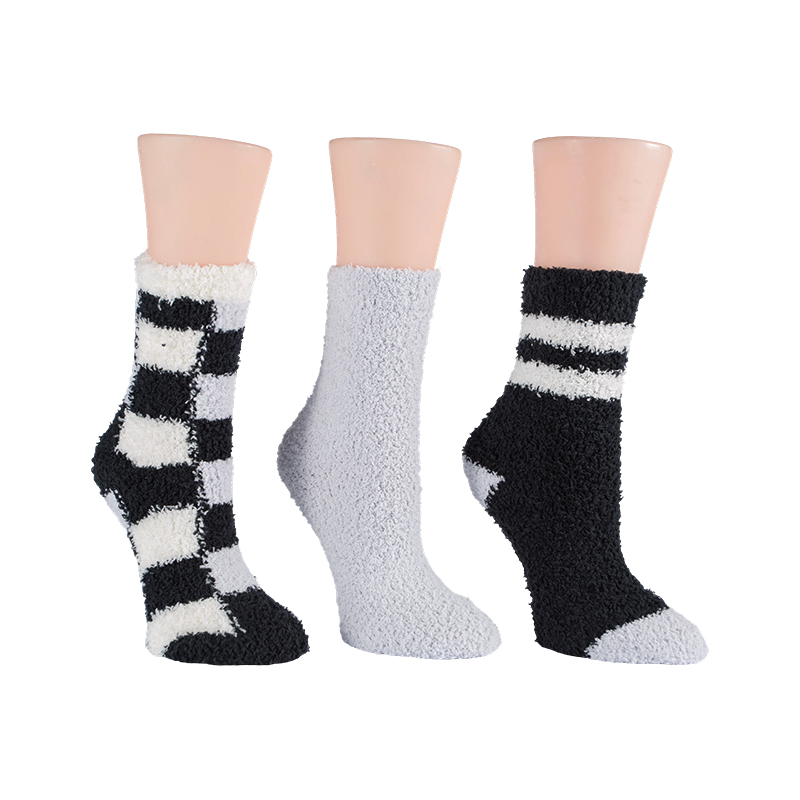
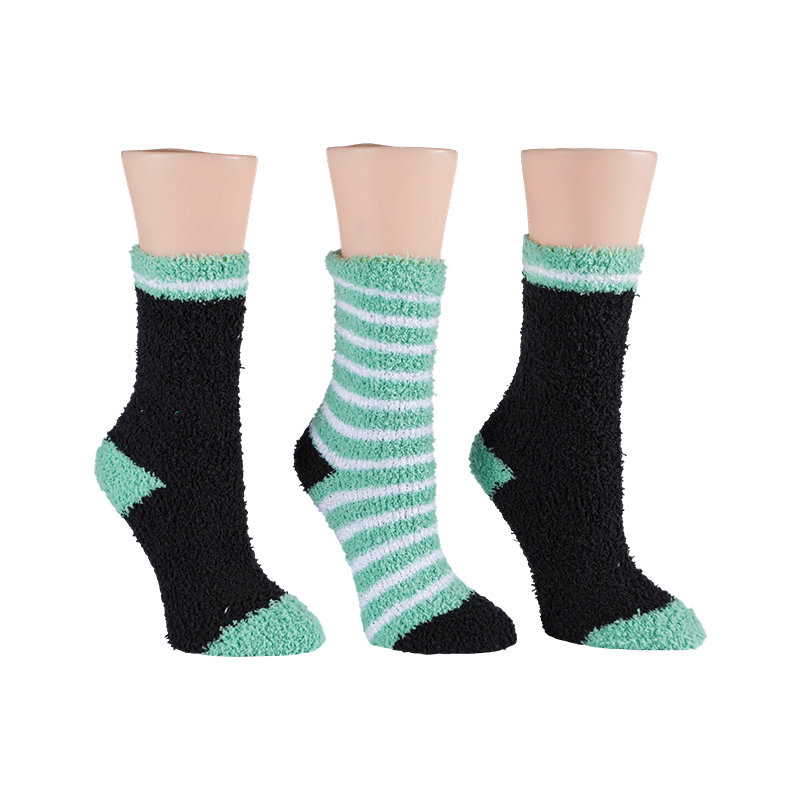
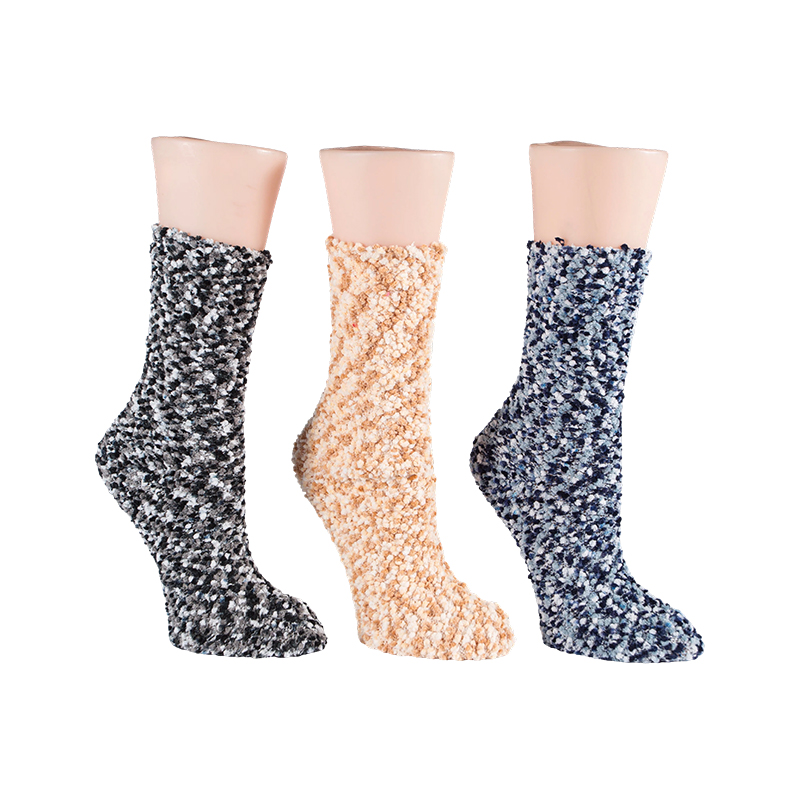
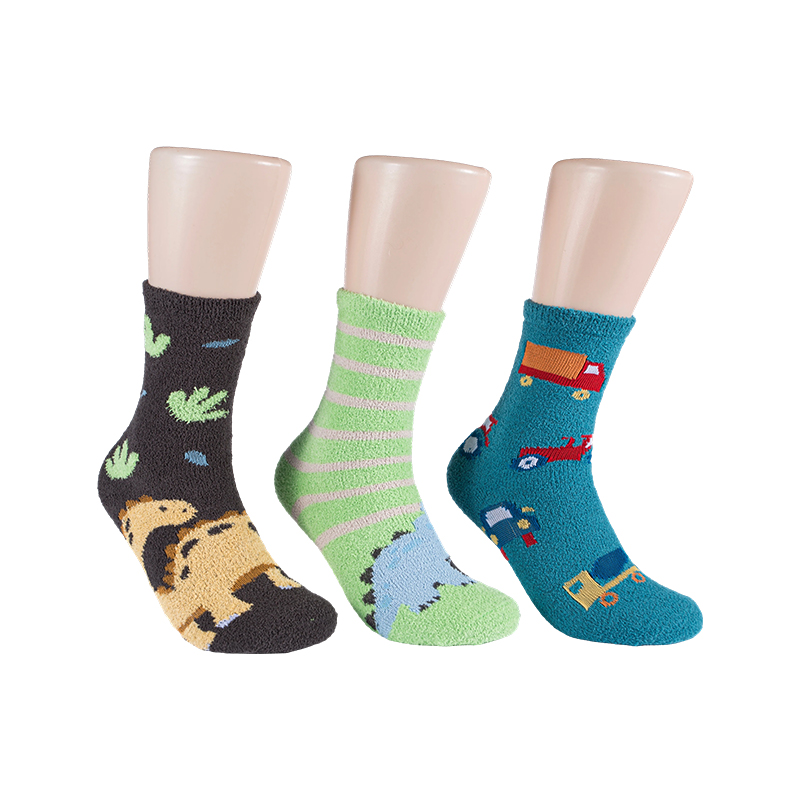
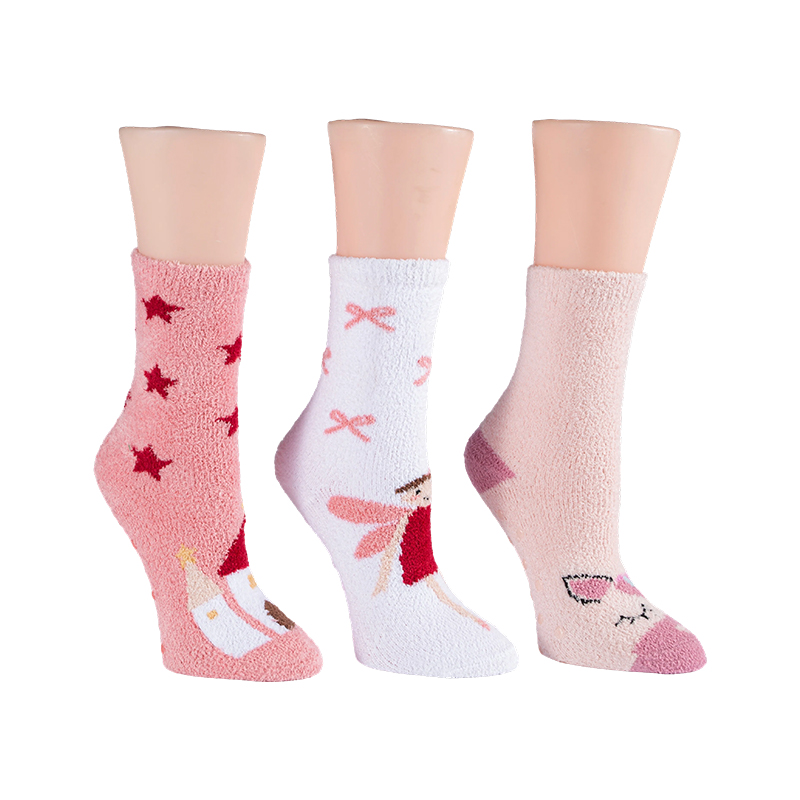
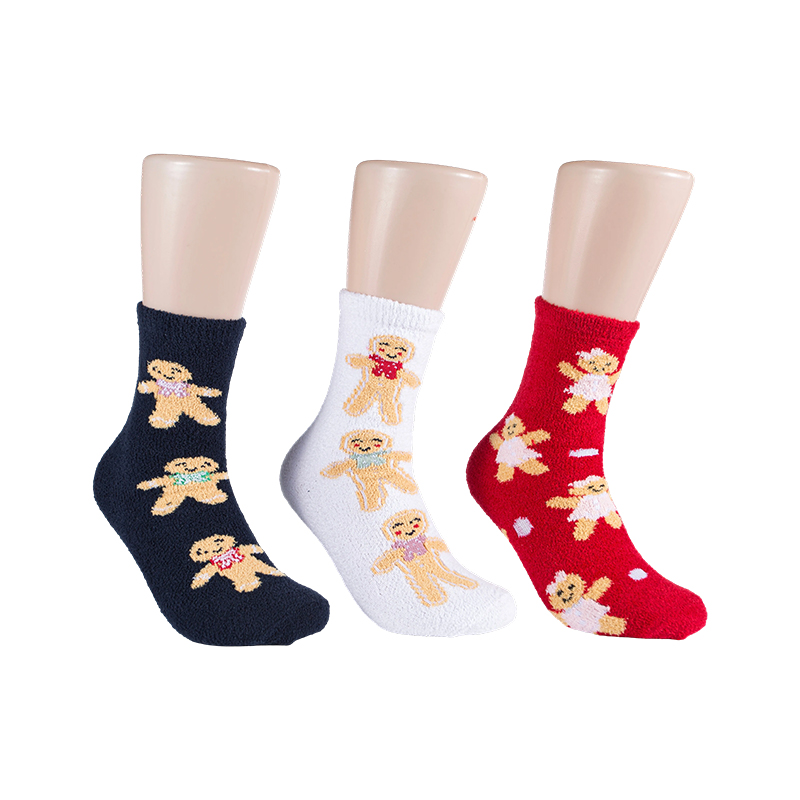
Cosy Home Socks are engineered with this thermal-comfort relationship as a design foundation — prioritizing heat retention, softness at skin contact, and the kind of enveloping fit that maintains warmth through hours of relaxed indoor activity without constriction or discomfort.
The warmth of a cosy sock is not simply a function of fiber type — it is equally determined by how that fiber is structured within the fabric. Three primary construction techniques account for the majority of warmth-enhancing home sock designs, each creating insulation through the same underlying principle: trapping still air within the fabric structure.
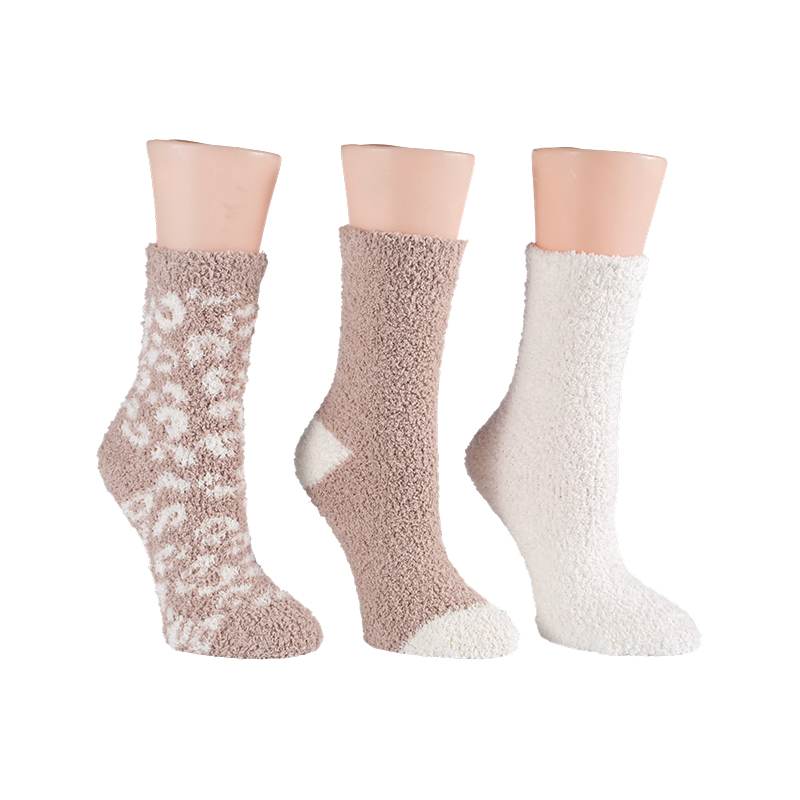
Terry looping creates a dense field of raised loops on the interior of the sock. These loops dramatically increase the fabric's effective thickness and the volume of air trapped against the skin surface. The loop height, density, and yarn weight all modulate warmth output — taller, denser loops with heavier yarn produce the most insulation, while finer terry constructions balance warmth with a lighter, less bulky profile that fits inside slipper-style footwear.
Brushed or fleece lining uses a finishing process — either mechanical brushing or knitting with fleece yarn — to raise individual fiber ends from the fabric surface, creating a soft, low-pile texture that functions as a microinsulating layer. Brushed interiors are particularly effective at delivering immediate warmth sensation upon contact, since the raised fibers reduce the thermal mass the skin must heat before perceiving warmth.
Plush knit structures combine high-bulk yarns — often incorporating elastomeric cores wrapped with soft outer fibers — with knit architectures that maximize loft without sacrificing stretch. The result is a sock that feels substantial and cushioned while retaining the elasticity needed for a secure, comfortable fit across a full range of foot sizes.
At Bonroy, construction choices for warm home socks are evaluated against both thermal performance and tactile quality — because a sock that is technically insulating but rough or stiff against bare skin fails the most basic requirement of what it means to feel cosy.
A significant segment of the cosy home sock category extends beyond conventional knit construction into slipper-sock hybrid designs — products that combine the thermal and tactile properties of a high-warmth sock with sole structures that add durability, protection, and grip sufficient for movement across multiple household surface types.
Several sole construction approaches are common across this category:
The slipper sock category has grown significantly as consumers seek products that consolidate the comfort of indoor footwear with the convenience and packability of socks — particularly relevant as gifting items and travel companions for hotel stays and overnight visits.
| Construction Type | Warmth Level | Best For |
|---|---|---|
| Terry loop knit | Medium–High | Everyday indoor wear, wearing inside slippers |
| Brushed fleece lining | High | Cold climates, evening relaxation, gifting |
| Sherpa-lined slipper sock | Very High | Slipper replacement, tile and hardwood floors |
| Plush knit with grip sole | Medium–High | Active home use, multi-surface movement |
Few product categories perform as consistently in gifting contexts as cosy home socks. They occupy a sweet spot that is difficult to replicate: universally useful, immediately sensory in their appeal, free from the fit anxiety of garments like sweaters or trousers, and associated with care and comfort rather than utility or obligation. This combination makes them one of the most reliably well-received gift formats across age groups and demographics — from stocking fillers and self-care hamper inclusions to standalone gifts for housewarming occasions and seasonal holidays.
Seasonality is pronounced in this category, with demand peaking sharply in autumn and winter as ambient temperatures drop and consumers turn attention toward interior comfort. However, a secondary gifting peak driven by Mother's Day, Father's Day, and mid-year occasions sustains year-round relevance for retailers who stock them consistently.
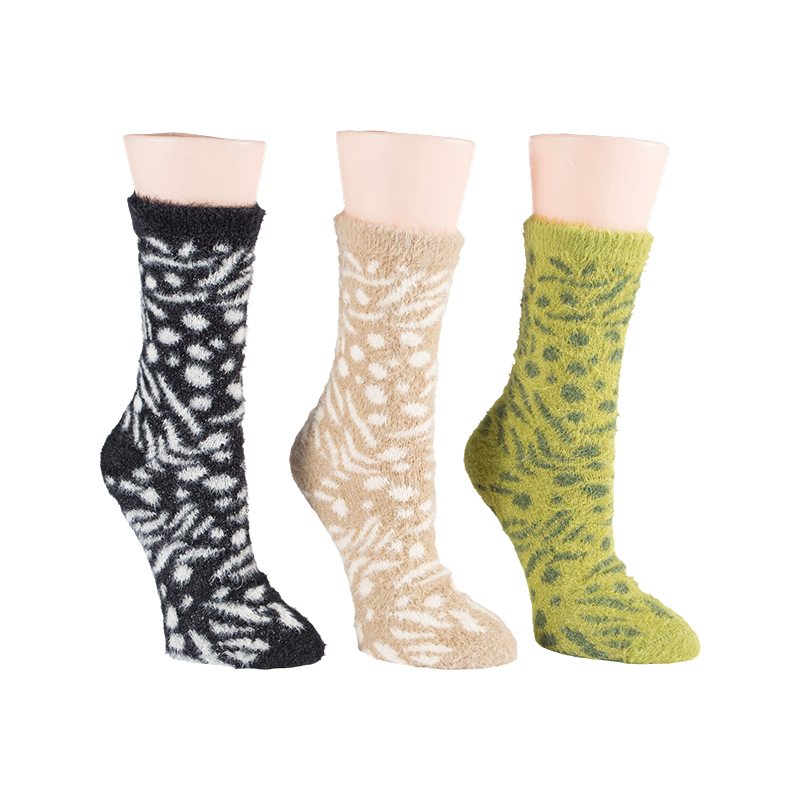
Design aesthetics play an outsized role in gifting appeal relative to other sock categories. Cosy home socks benefit from visual cues that communicate warmth before the product is even touched — cable-knit textures, Fair Isle and Nordic patterns, deep seasonal colorways in rust, forest green, and oatmeal. These design languages carry strong cultural associations with domestic warmth and wintertide comfort that influence purchase decisions at a glance.
For both personal use and gifting, the quality gap between well-made and poorly made cosy socks becomes apparent quickly — in how the lining holds its softness after washing, in whether the grip dots remain adhered after a season of use, in whether the cuff maintains its shape without sagging. These are the details that determine whether a product is used daily for years or discarded after a few weeks, and they reflect precisely the standard that guides how Bonroy develops every pair of Cosy Home Socks — built to deliver lasting comfort, not just an impressive first impression.




 English
 中文简体
中文简体 Español