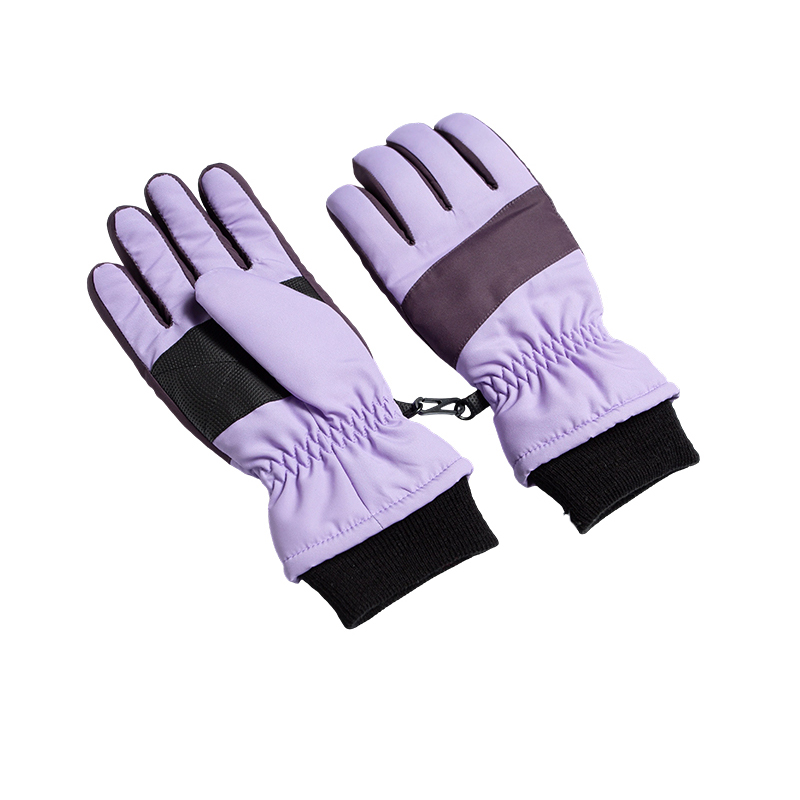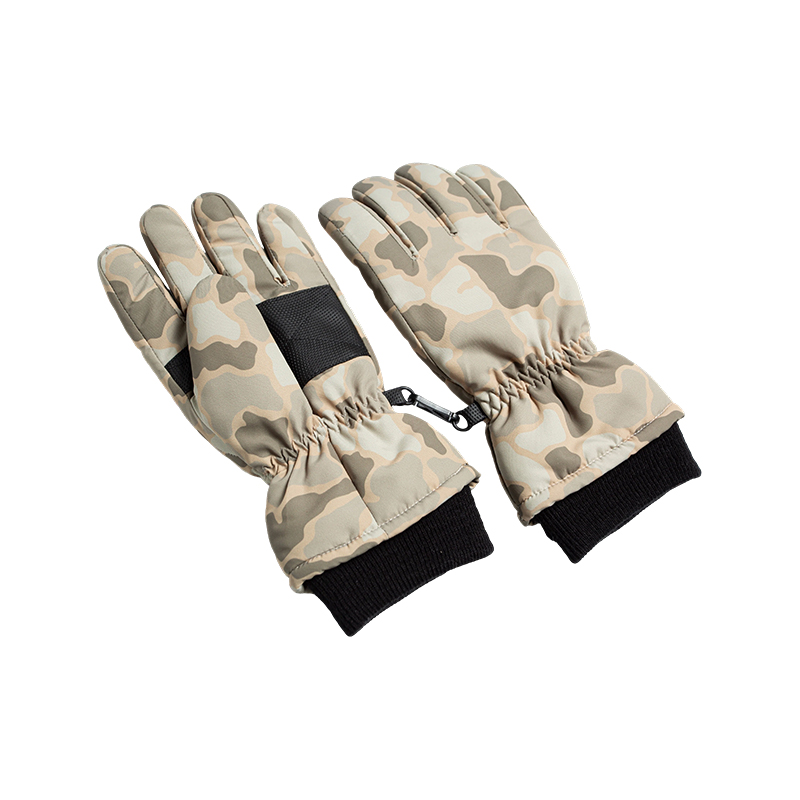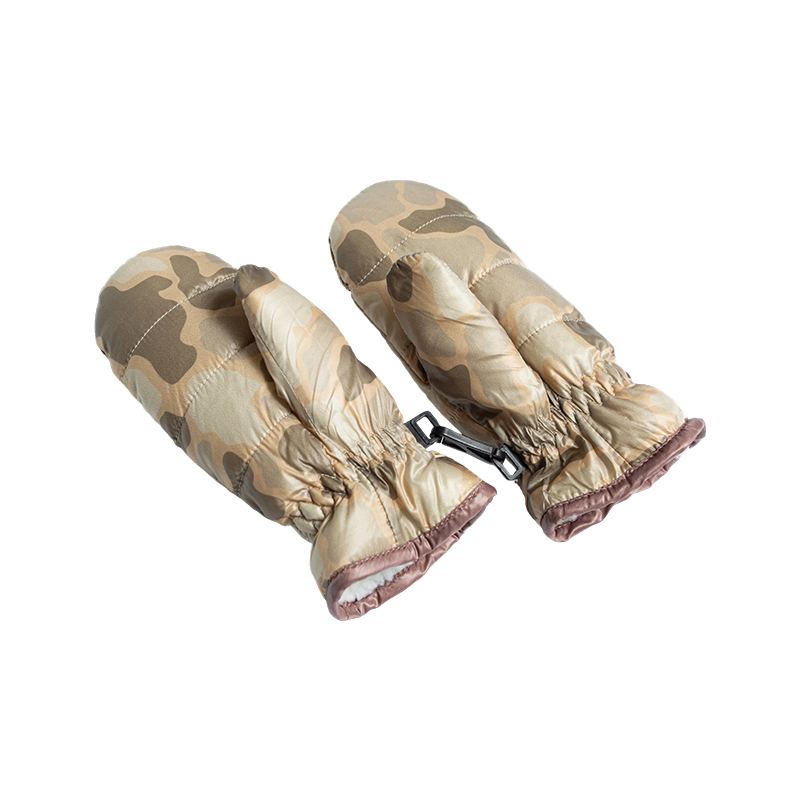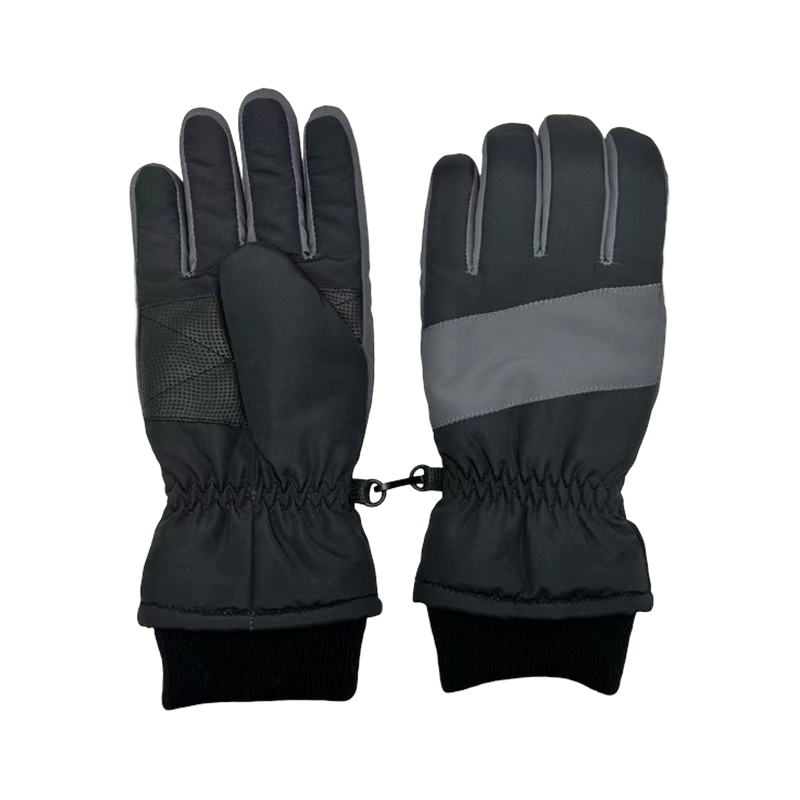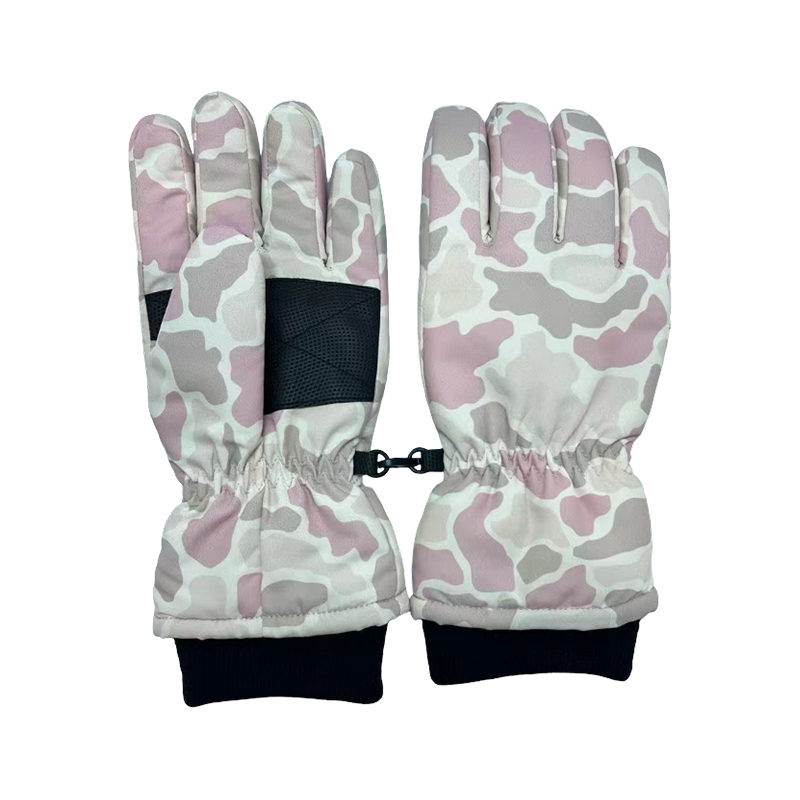
Our Headwear segment includes Baseball Caps, constructed with reinforced panels and adjustable closures for solar protection and airflow, alongside Knitted Hats & Beanies, which utilize ribbed or gauge-knit structures to retain cranial heat. The Gloves division is categorized by utility: Knitted Gloves offer dexterity and insulation for daily use, while Ski & Functional Gloves incorporate multi-layered barriers, including wind-resistant membranes and reinforced palms for abrasion resistance in extreme conditions. The collection is completed by our Scarves range, where Knitted Scarves prioritize loft and thermal weight, and Fashion Scarves focus on drape and textile finish. By selecting fibers based on their specific heat-retention and tactile properties, Bonroy Accessories ensure consistent performance and protection across varied climates and activities.
Crafting Comfort, Defining Freedom

Latest Updates
Accessories Industry knowledge
Choosing the right material for winter headwear is essential for maintaining warmth and comfort during cold months. Winter hats and beanies serve as critical warm accessories, providing protection from harsh weather while complementing personal style. The effectiveness of these items depends largely on the materials used, their density, and how they interact with body heat. This article explores the warmest materials for winter hats and beanies, their unique properties, and the considerations consumers should keep in mind when selecting warm accessories for cold climates.
Natural fibers are widely recognized for their exceptional thermal properties. Wool, alpaca, and cashmere are among the top choices for winter hats due to their ability to trap heat while remaining breathable. Wool, particularly merino wool, is highly regarded because it retains warmth even when wet, offering consistent insulation. Cashmere provides a luxurious softness and lightness while maintaining excellent heat retention, making it an ideal option for high-end warm accessories. Alpaca fiber, sourced from South American alpacas, offers a unique combination of softness, lightweight feel, and natural thermal insulation.
When selecting natural fiber hats, consider factors such as thickness, weave, and lining. Double-layered or fleece-lined options significantly enhance warmth without adding excessive bulk. These materials also have the advantage of being biodegradable and environmentally friendly, aligning with modern sustainable fashion trends. Warm accessories made from natural fibers offer both functional performance and a refined aesthetic, appealing to consumers who value quality and comfort.
Synthetic fibers, including acrylic, polyester, and nylon, are widely used in winter hats due to their durability, affordability, and ability to retain heat. Acrylic is particularly popular for its wool-like feel and hypoallergenic properties, making it suitable for individuals sensitive to natural fibers. Polyester and nylon blends provide enhanced moisture-wicking properties, allowing sweat to evaporate while keeping the head insulated. These materials also dry quickly, which is beneficial for outdoor activities during snowy or wet conditions.
While synthetic fibers may not match the breathability of natural fibers, they often perform better in terms of durability and maintenance. Beanies made from acrylic or polyester blends can withstand repeated washing and retain their shape over time. Additionally, advancements in fiber technology have led to synthetic fabrics that mimic the softness and thermal performance of wool, providing practical options for consumers seeking cost-effective warm accessories.
The construction of winter hats plays a significant role in determining their warmth. Fleece-lined beanies provide excellent insulation due to their soft, brushed interior that traps heat efficiently. Fleece is lightweight, flexible, and highly breathable, making it suitable for both casual and outdoor use. Similarly, tightly knit hats create dense fabrics that minimize heat loss and block cold winds effectively. Patterns such as ribbed or cable-knit designs add thickness without restricting comfort, enhancing both thermal efficiency and style.
Choosing the right construction also depends on activity and climate. For high-intensity outdoor activities, lightweight fleece or synthetic blends allow for heat retention while avoiding overheating. In extremely cold conditions, thicker knit hats with multiple layers, potentially combined with a lining of natural fiber, can offer superior protection. In all cases, these construction methods enhance the overall effectiveness of warm accessories.
Blending natural and synthetic fibers is a common strategy to combine the strengths of both. For example, a merino wool and acrylic blend offers the warmth and softness of wool with the durability and elasticity of synthetic fibers. This combination ensures that winter hats maintain their shape, resist pilling, and provide reliable insulation over time. Such blends are increasingly popular in modern warm accessories because they balance performance, comfort, and cost-effectiveness.
Blended materials also allow designers to create multifunctional hats suitable for various weather conditions. Hats can be lightweight for indoor and transitional use or heavily insulated for outdoor winter activities. The versatility of blended materials makes them a practical choice for consumers seeking both durability and superior thermal performance.
Beyond materials, the design of winter hats contributes significantly to warmth. Features such as ear flaps, extended cuffs, and adjustable fits enhance heat retention by reducing exposure to cold air. Some hats include windproof outer layers or water-resistant coatings to improve performance in adverse weather conditions. High-quality warm accessories consider both thermal insulation and ergonomic comfort, ensuring a snug, supportive fit without constriction.
Haining City Bonroy Trading Co., Ltd. exemplifies a commitment to integrating thoughtful design and material selection into warm accessories. By emphasizing ergonomic fits, high-quality fibers, and meticulous attention to detail, Bonroy ensures that each hat or beanie provides optimal comfort, durability, and protection. This human-centric approach reflects the company's philosophy that clothing should be an extension of physical and mental freedom.
| Material | Warmth | Comfort | Durability | Recommended Use |
|---|---|---|---|---|
| Merino Wool | High | Soft, breathable | Moderate | Cold dry climates, daily wear |
| Cashmere | Very High | Very soft, lightweight | Moderate | Luxury wear, mild to cold climates |
| Alpaca | High | Soft, hypoallergenic | High | Cold climates, outdoor use |
| Acrylic | Moderate | Soft, less breathable | High | Daily wear, cost-effective |
| Fleece | High | Very soft, lightweight | High | Outdoor activities, sports |
| Blended (Wool/Synthetic) | High | Soft, shape-retentive | High | Versatile use, all weather conditions |
Material selection alone is not sufficient for achieving optimal warmth. The quality of yarn, consistency of the weave, and finishing processes all affect performance. Haining City Bonroy Trading Co., Ltd. places emphasis on rigorous quality control to ensure that each product meets exacting standards. By combining premium fibers with precise manufacturing techniques, the company creates warm accessories that consistently deliver comfort and durability. This attention to detail aligns with the company philosophy of transforming "invisible details" into "wearable comfort," ensuring a premium user experience.
Moreover, the integration of ergonomic fits, windproof features, and lightweight linings demonstrates a commitment to both aesthetics and function. Consumers can enjoy hats and beanies that not only provide thermal protection but also complement their lifestyle, enhancing the overall value of the product. This humanistic approach to design reflects a deep understanding of how warm accessories should resonate with both physical needs and emotional satisfaction.
Selecting the warmest material for winter hats and beanies involves careful consideration of natural and synthetic fibers, construction methods, and design features. Natural fibers like merino wool, cashmere, and alpaca offer superior warmth and comfort, while synthetic options provide durability and easy maintenance. Blended materials and thoughtful construction techniques enhance the functionality of warm accessories for diverse weather conditions and activities.
Haining City Bonroy Trading Co., Ltd. demonstrates how high-quality materials, attention to detail, and ergonomic design converge to produce winter hats and beanies that fulfill both practical and aesthetic requirements. By choosing well-crafted warm accessories, consumers can ensure reliable protection from the cold while enjoying comfort, style, and a product built to last.
Q1: What is the warmest type of fiber for winter hats?
A1: Natural fibers such as merino wool, cashmere, and alpaca are considered the warmest due to their excellent heat retention, breathability, and softness.
Q2: Are synthetic materials effective for keeping warm in winter hats?
A2: Yes, synthetic materials like acrylic and polyester blends provide good insulation, durability, and moisture management, making them suitable for cold climates and active use.
Q3: How does hat construction affect warmth?
A3: The density of the knit, fleece lining, and multi-layer designs significantly impact thermal performance. Tightly knit or lined hats trap heat more effectively, enhancing overall warmth.
Q4: Can blended materials offer better performance than single fibers?
A4: Yes, blends of natural and synthetic fibers combine the advantages of softness, insulation, durability, and shape retention, offering versatile and practical warm accessories.
Q5: How important is quality control in winter hat manufacturing?
A5: Quality control ensures consistent warmth, durability, and comfort. Companies like Haining City Bonroy Trading Co., Ltd. emphasize rigorous standards to create hats that meet high expectations and provide reliable protection against cold weather.




 English
 中文简体
中文简体 Español