Crafting Comfort, Defining Freedom
Latest Updates
Home Socks Industry knowledge
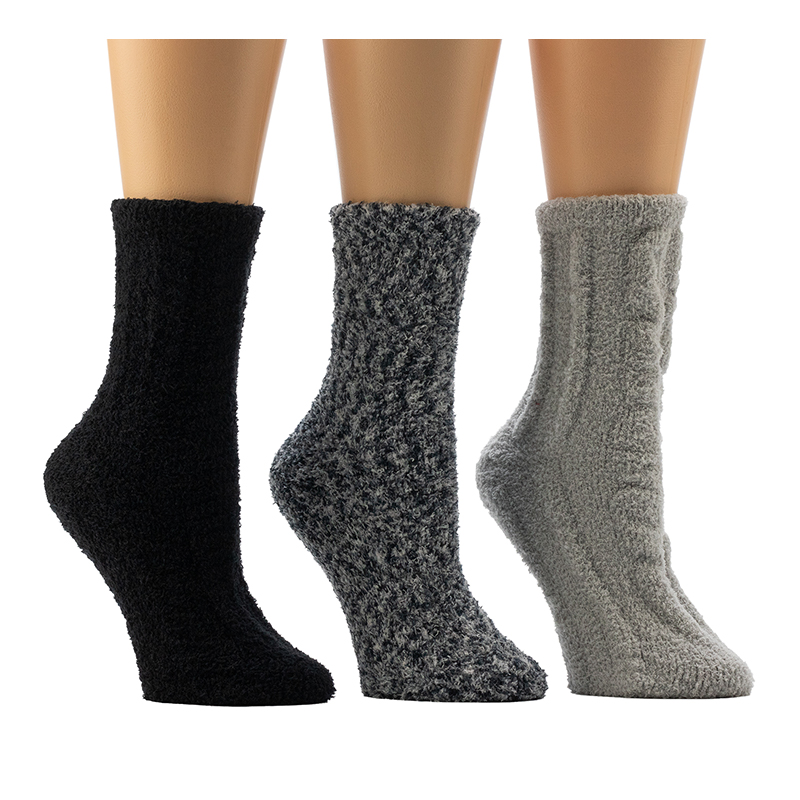
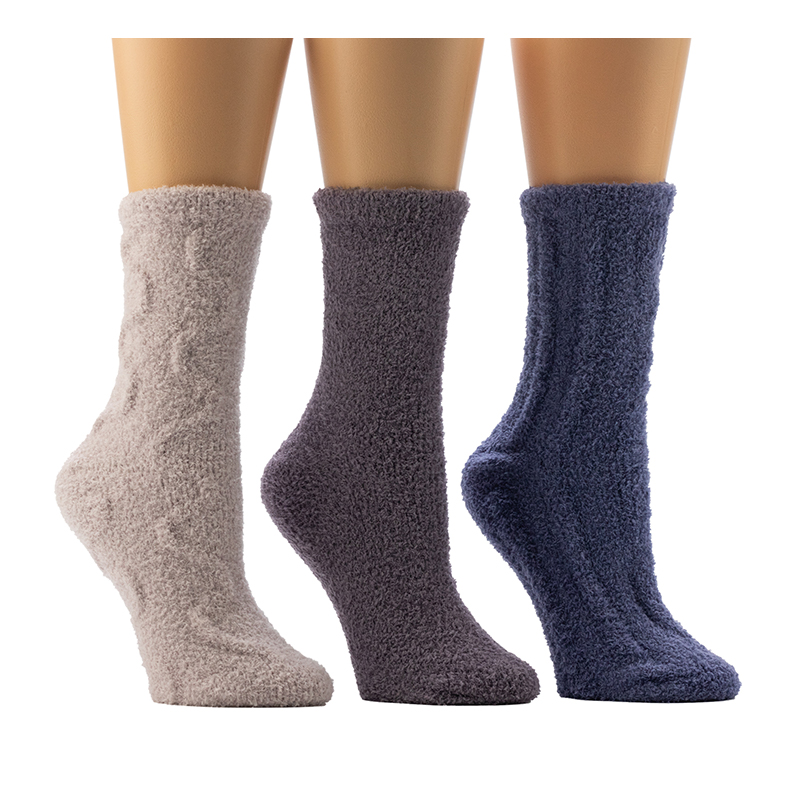
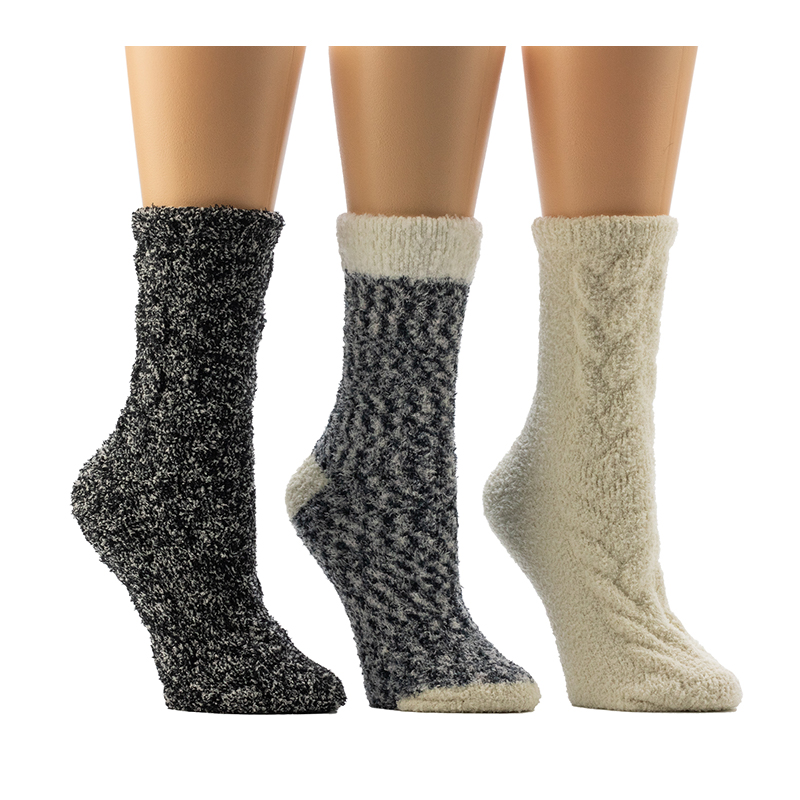
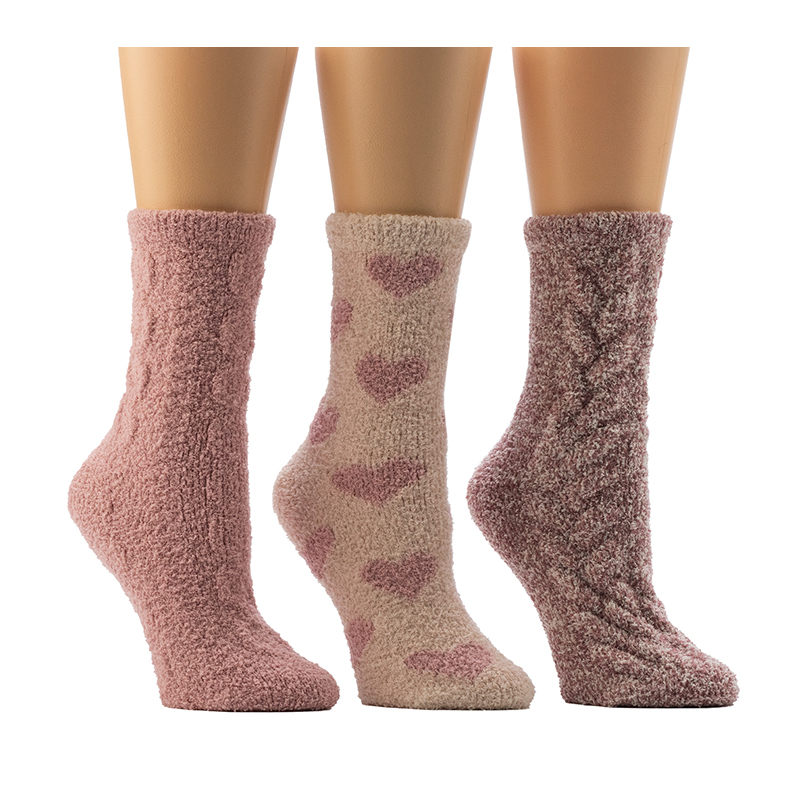
The performance requirements of a home sock differ fundamentally from those of athletic or dress hosiery. Where outdoor socks must manage friction, moisture from exertion, and the structural demands of footwear, home socks are optimized for a different set of conditions: soft flooring surfaces, extended periods of low-activity wear, and the expectation of uninterrupted comfort across an entire evening or weekend day.
This distinction drives meaningful differences in construction. Cushioning is distributed more evenly across the full footbed rather than concentrated at high-impact zones, because walking on hardwood, tile, and carpet does not generate the localized heel-strike forces of outdoor movement. Thermal properties take priority over moisture management, since indoor temperatures and sedentary activity produce far less perspiration than physical exertion. And grip — the ability to walk safely on smooth floors without slipping — becomes a functional safety consideration rather than a performance enhancement.
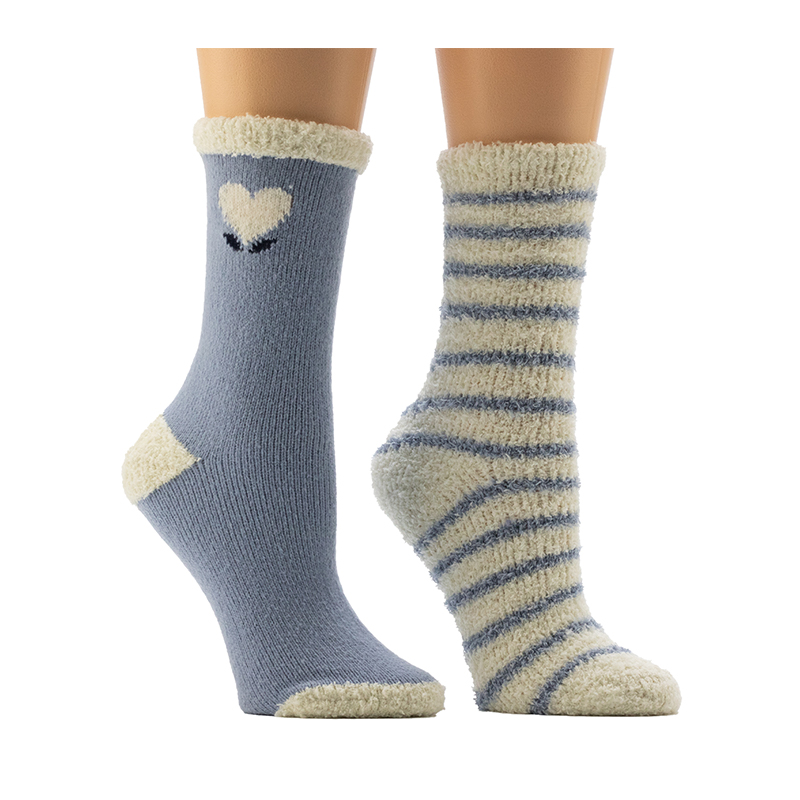
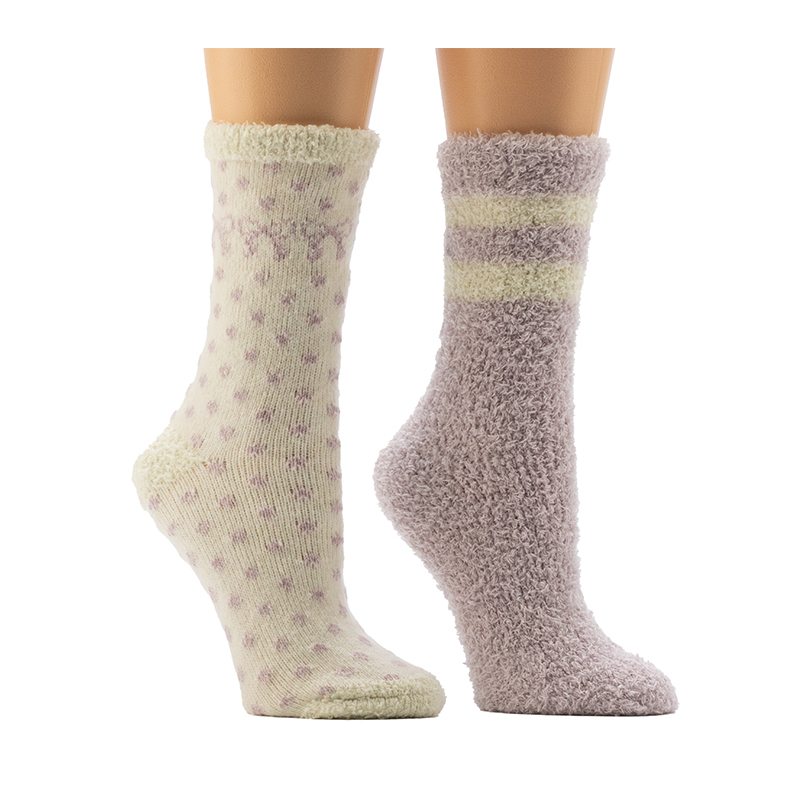
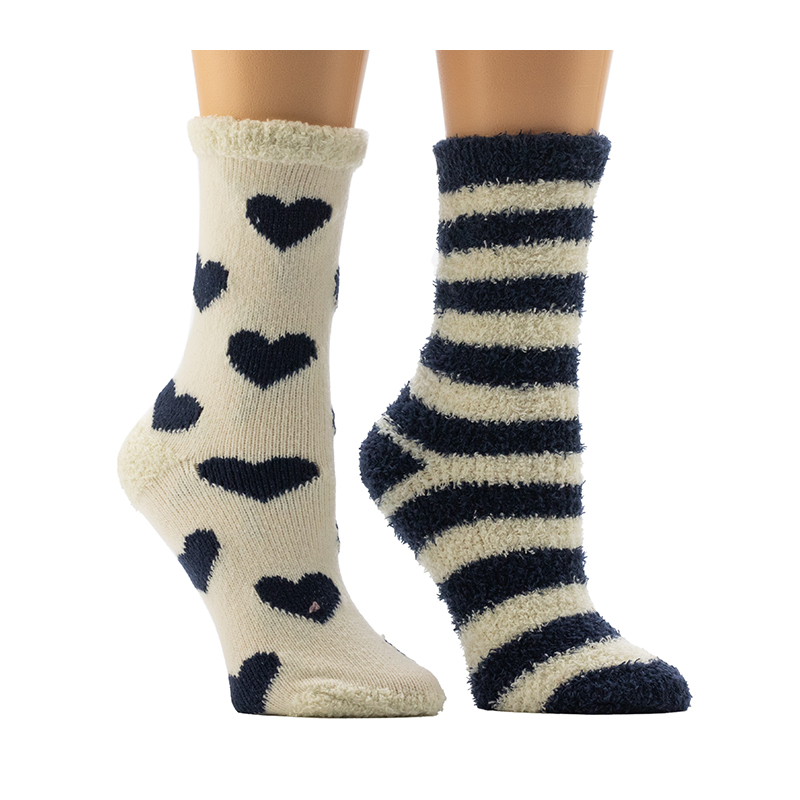
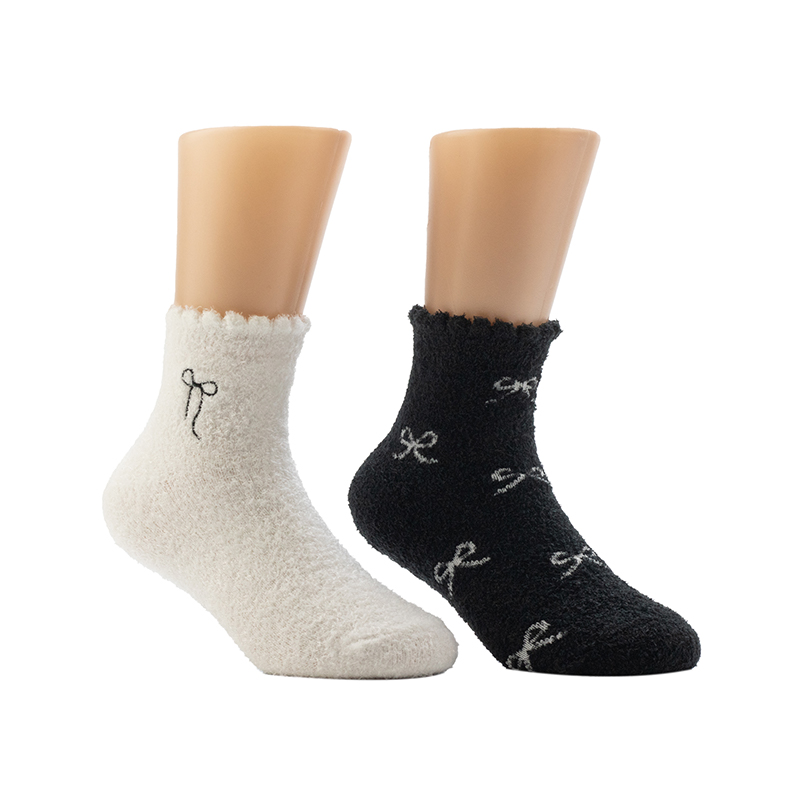
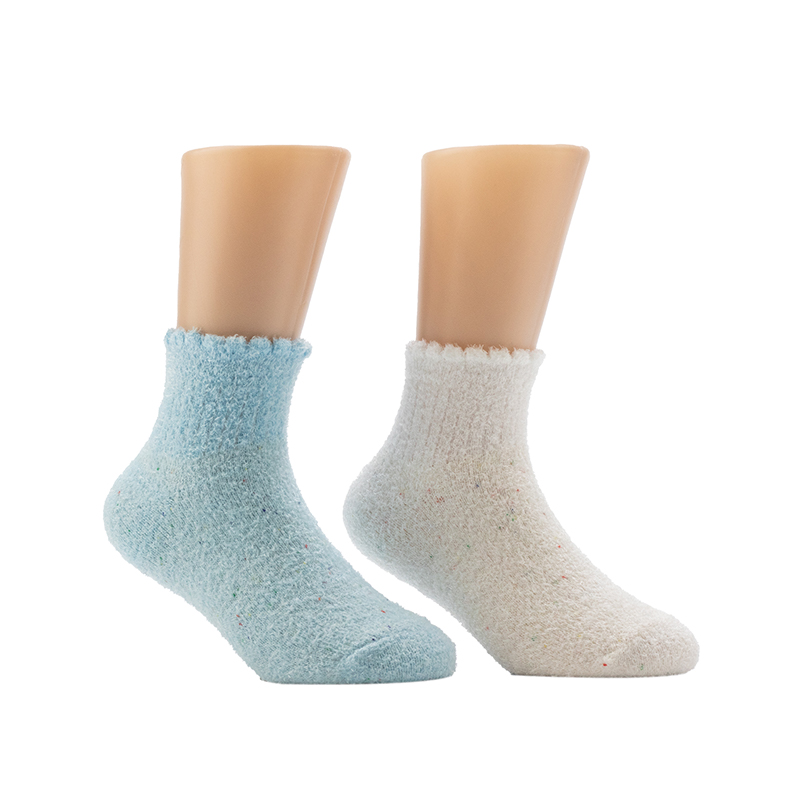
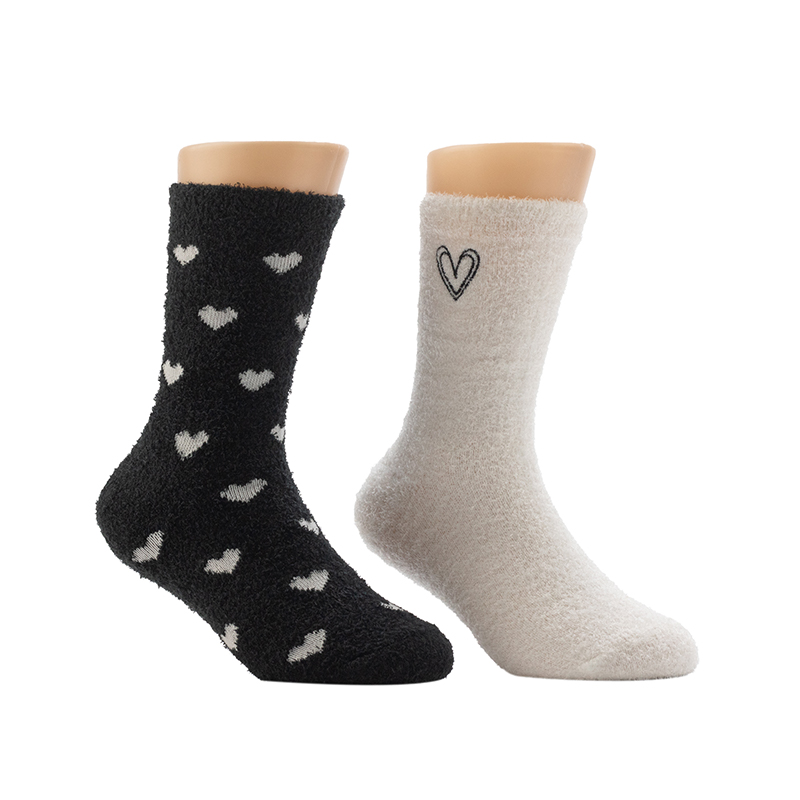
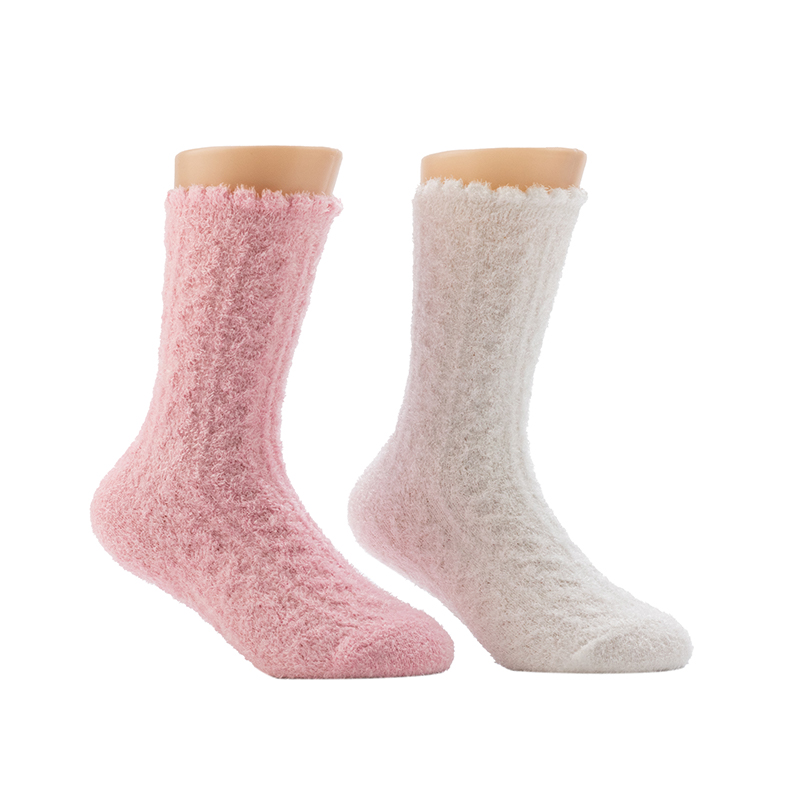
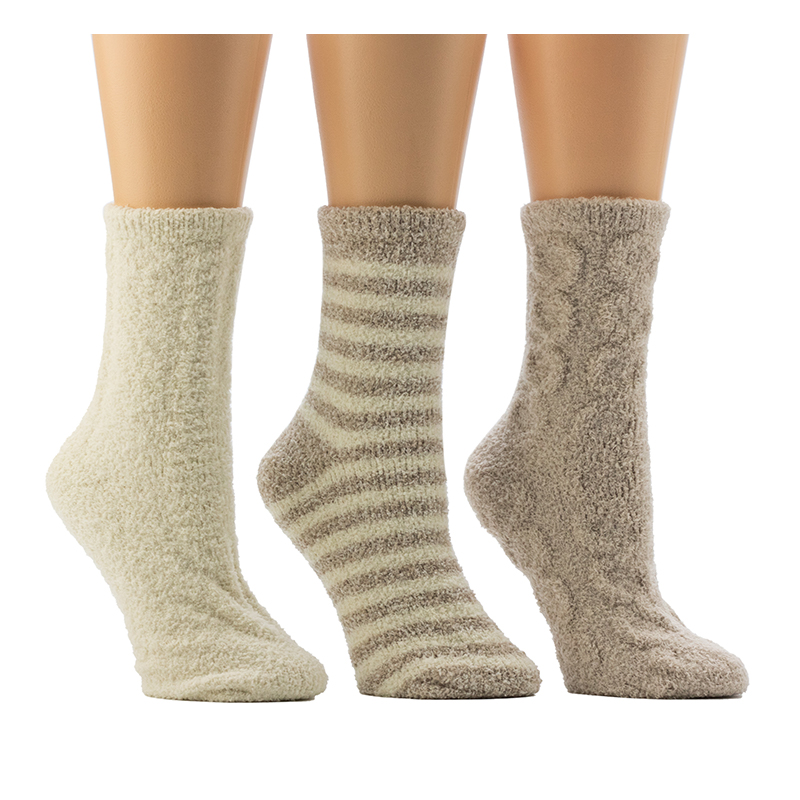
Well-designed Home Socks address all three of these simultaneously, producing a garment whose contribution to daily comfort is easy to underestimate until you experience the difference between a sock engineered for the home environment and one that merely happens to be worn there.
Home sock comfort is inseparable from thermal regulation. Unlike shoes, which create a fixed thermal microclimate around the foot, home socks interact directly with ambient indoor temperature — which varies considerably across seasons, climates, and building types. Fiber selection is the primary tool for matching warmth output to conditions.
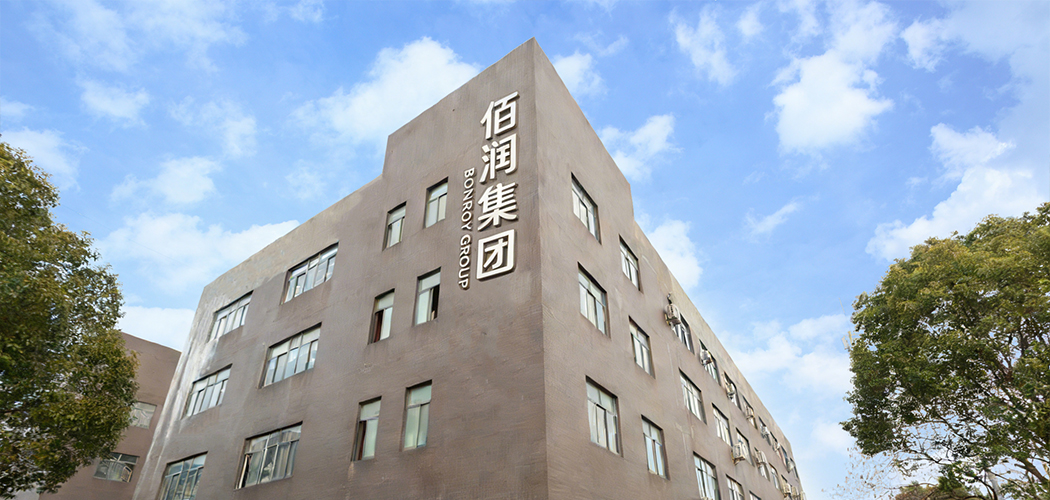
At Bonroy, the selection of materials for home wear begins with the question of how the wearer will actually experience the garment across hours of daily use — not simply what the fiber specification sheet indicates about performance properties in isolation.
Falls on smooth indoor flooring are among the most common household accident types across all age groups. The grip sole is not a cosmetic feature of home socks — it is a functional safety element, and the design of grip systems varies significantly in quality and effectiveness across the category.
Grip is applied to sock soles through several methods, each with distinct performance profiles:
Surface compatibility matters as much as grip design. Silicone and PVC grips perform differently on hardwood versus tile versus low-pile carpet — a factor often overlooked in product specifications. Testing grip performance across representative flooring types is a more meaningful quality indicator than grip pattern coverage alone.
| Grip Type | Wash Durability | Best Surface | Common Use |
|---|---|---|---|
| PVC dot print | Moderate | Hardwood, laminate | Entry-level home socks |
| Silicone print | High | Tile, hardwood, smooth stone | Premium home and yoga socks |
| Woven grip yarn | Very high | Carpet, low-pile rugs | Knit slipper-style constructions |
The way people experience their home environment has shifted considerably — heightened by years of remote work normalization and a broader cultural re-evaluation of domestic comfort as something worth investing in thoughtfully. Home textiles, including socks, now occupy a more considered space in purchasing decisions, with buyers increasingly attentive to tactile quality, aesthetic coherence with interior environments, and the kind of low-level daily pleasure that well-made small objects consistently provide.
There is genuine psychological substance behind this: research in environmental psychology consistently finds that sensory comfort in the home — including foot warmth and tactile softness — contributes meaningfully to perceived relaxation and restoration after demanding days. The foot, with its high concentration of sensory nerve endings, is particularly responsive to quality differences in the materials it contacts. A plush, warm, well-fitting home sock is not an indulgence — it is a small but reliable source of physical ease that accumulates across every hour it is worn.
This is precisely the philosophy that shapes how Bonroy approaches the design of Home Socks — starting from the lived experience of the person wearing them, working backward through material selection, construction detail, and grip engineering to produce something that performs its quiet function exceptionally well, day after day.




 English
 中文简体
中文简体 Español