
Aug 04, 2026
Content
A complete guide to private label bras — design, manufacturing, and brand building.
Private label bras offer brands the opportunity to create custom-designed, high-quality intimate apparel without the need for in-house manufacturing. From everyday basics to luxury lingerie, private label solutions provide flexibility, quality control, and brand differentiation.
Designs & sizing
Flexible production
Certified manufacturing
Private label bras are intimate apparel products manufactured by a specialized factory and sold under a retailer's or brand's own label. Unlike branded wholesale products, private label bras are customized to reflect the brand's identity, sizing, and quality standards.
Private label bras offer brands complete control over design, materials, sizing, and packaging. This allows for true brand differentiation in a competitive market where fit, comfort, and style are the primary drivers of consumer loyalty.
Private label partnerships typically include design collaboration, sample development, production, quality control, and packaging. Some manufacturers also offer design assistance for brands without in-house design teams.
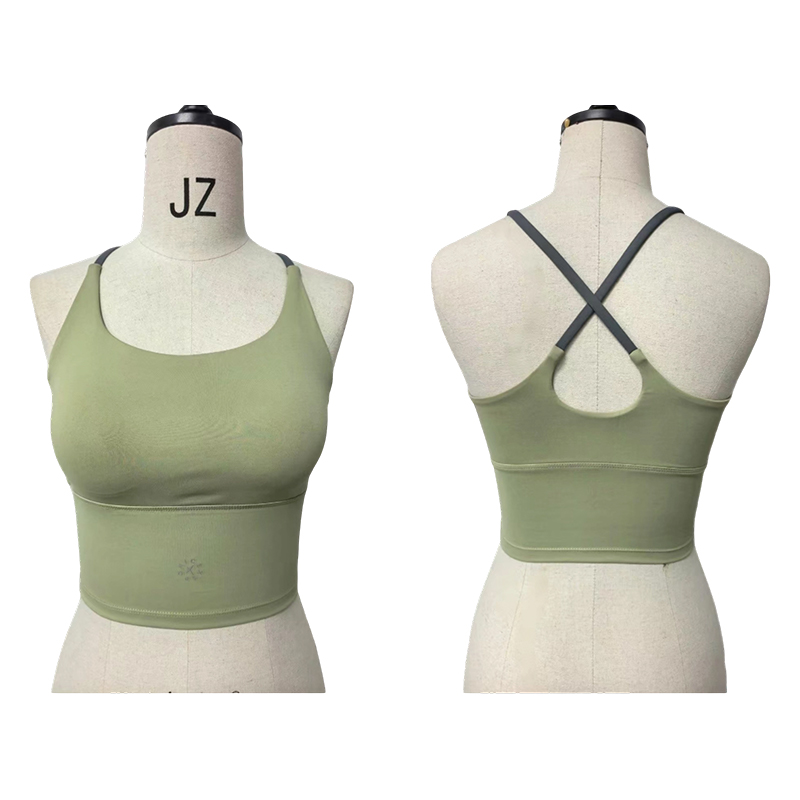
Private label bras give brands the freedom to create their own identity in the intimate apparel market — from fit to fabric, everything is yours.
Creating a successful private label bras collection follows a structured process from concept to delivery.
Collaborate with designers to create sketches and specifications. Define the style, fit, fabric, color palette, and sizing range for your collection. This stage sets the foundation for the entire product line.
Develop initial samples for fit and quality evaluation. Multiple rounds of sampling ensure the perfect fit. Adjustments are made based on feedback before proceeding to production.
Once samples are approved, full-scale production begins. Manufacturing takes place in certified facilities with quality control checks throughout the process.
Products are packaged according to brand specifications — custom labels, tags, and packaging materials. Orders are shipped to the brand's warehouse or directly to retail locations.
Private label bras are available in a wide variety of styles to suit different market segments and consumer preferences.
Seamless, smooth-cup designs for everyday comfort under any outfit. Ideal for building a core collection.
Designed to enhance cleavage with padded or molded cups. Popular in fashion-forward collections.
Supportive designs for active lifestyles. Available in low, medium, and high-impact options.
Wireless, soft-cup designs for comfort and style. Popular among younger demographics.
Elegant designs with lace detailing for a premium aesthetic. Ideal for luxury collections.
Supportive, functional designs for new mothers. Growing demand in the maternity market.
Quality materials are essential for comfortable, durable, and long-lasting bras. Private label bras can be customized with a range of materials to suit different price points and market segments.
Breathable and soft, suitable for everyday comfort. Popular for basic and organic collections.
Silky soft and sustainable. Excellent for luxury and eco-conscious brands.
Elegant and feminine. Available in various patterns and colors for premium collections.
Stretchy and durable. Ideal for activewear, sports bras, and molded cup designs.
Moisture-wicking and quick-drying. Suitable for sports and performance bras.
Sustainable and skin-friendly. Certified organic options for eco-conscious brands.
Choosing the right private label bras partner requires careful consideration of several factors.
Identify the demographics, preferences, and needs of your customers. This determines style, size range, and price point.
Select the types of bras that align with your brand identity and market demand. Consider a mix of basics and seasonal styles.
Choose fabrics and materials that match your quality standards and price positioning. Consider comfort, durability, and sustainability.
Define the size range based on your target market. Consider inclusive sizing to reach a broader audience.
Understand the minimum order quantities and production lead times. Balance inventory investment with flexibility.
Ensure the manufacturer follows rigorous quality control processes. Ask for certifications and quality assurance documentation.
Hot Products




 English
 中文简体
中文简体 Español